Blog

  • Tooth Abscess Symptoms, Causes, and Treatments

    Tooth Abscess Symptoms, Causes, and Treatments

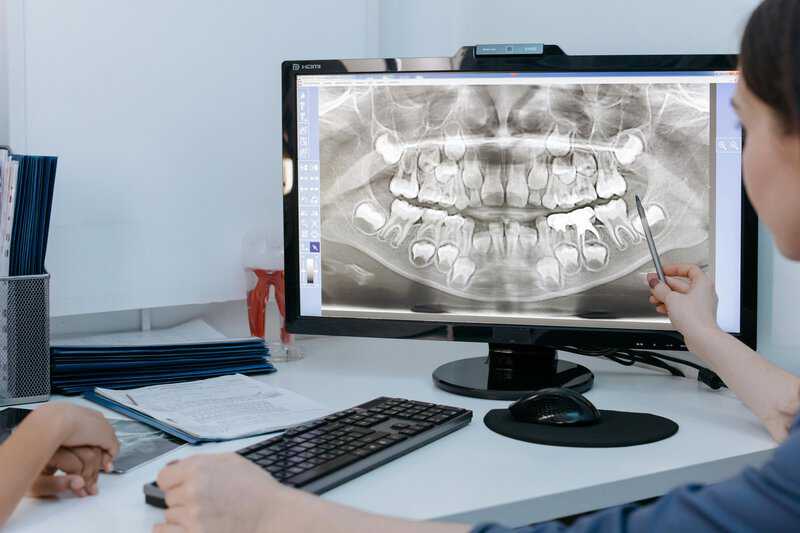
    A tooth abscess is a serious and painful condition that affects many people. It is essential to understand what it is, what causes it, and how it can be treated. If you’re experiencing tooth pain, knowing when to seek professional dental care is crucial. 

    What is a Tooth Abscess?

    A tooth abscess is a pocket of pus caused by a bacterial infection. It can occur in different parts of the tooth including the tip of the tooth root, the side of the tooth root, and the gums. Each different type of tooth abscess has its unique name: 

    • Periapical Abscess: Found at the tip of the root.
    • Periodontal Abscess: Found in the gums at the side of a tooth root.
    • Gingival Abscess: Found in the gums.

    Symptoms of a Tooth Abscess

    Recognizing the symptoms of a tooth abscess is crucial for getting timely treatment. Common symptoms include:

    • Painful, persistent toothache that may spread to your jaw, neck, or ear.
    • Tooth sensitivity to hot and cold.
    • Swelling in your face or cheek.
    • Tender, swollen lymph nodes, particularly in the neck or under the jaw.
    • Foul taste in your mouth or chronic bad breath.
    • Difficulty swallowing or breathing.

    A tooth abscess is a serious condition that requires prompt dental attention. If you experience any of these symptoms, contact our dental office in Portland immediately for an evaluation.

    Causes of a Tooth Abscess

    Several factors can lead to a tooth abscess. Common causes include:

    • Poor dental hygiene
    • High sugar diet
    • Tooth decay
    • Gum disease
    • Dental injury

    Preventing a Tooth Abscess

    Understanding the causes of a tooth abscess can also help you take preventive measures. Some ways you can help protect yourself against a tooth abscess are: 

    • Brushing twice a day and flossing daily.
    • Reducing sugar intake.
    • Treating dental issues promptly.
    • We visit our dental office in Portland every six months for check-ups.

    Treatment Options for a Tooth Abscess

    If you have a tooth abscess, there are several treatment options available. 

    • Draining the abscess to remove the infection.
    • Root canal therapy to clean out the infected pulp inside the tooth.
    • Antibiotics to help eliminate the infection.
    • Tooth extraction in severe cases.

    If you’re experiencing any symptoms of a tooth abscess or need regular dental care, don’t wait. Contact our dental office in Portland today. We are committed to providing comprehensive dental services to keep your smile healthy and pain-free. Our experienced team is here to help. 
  • A Comprehensive Guide to Caring for Your Dentures

    A Comprehensive Guide to Caring for Your Dentures

    Dentures are a fantastic solution for restoring your smile and maintaining the functionality of your mouth. However, like natural teeth, they require proper care and maintenance. By taking care of your dentures, you can ensure they last longer and stay comfortable. This guide will cover the essential steps for keeping your dentures in tip-top shape.

    Cleaning Your Dentures

    Proper cleaning is crucial for the longevity and hygiene of your dentures. Here are some steps to follow:

    • Rinse After Eating

    Always rinse your dentures with water after eating to remove any food particles.

    • Brush Daily

    Use a soft-bristled brush designed for dentures to clean them daily. Avoid using regular toothpaste as it can be too abrasive.

    • Soak Overnight

    Keep your dentures in a denture-cleaning solution or water overnight to maintain their shape and cleanliness.

    • Avoid Hot Water

    Hot water can warp your dentures. Use lukewarm or cold water for rinsing and soaking.

    Handling Your Dentures

    Dentures can be delicate, so handling them with care is essential. 

    • Avoid Dropping

    Always hold your dentures securely when handling them to avoid accidental drops.

    • Hold Over a Soft Surface

    When cleaning or handling your dentures, do it over a towel or a sink filled with water to prevent damage just in case they fall.

    • Store Properly

    When not wearing your dentures, store them in a denture case filled with water or a denture-cleaning solution to prevent them from drying out.

    Regular Dental Check-Ups

    Even with dentures, regular dental check-ups are necessary to ensure your mouth stays healthy. During these visits, the team at our dental office in Portland will:

    • Check Fit and Comfort

    Your dentist will assess if your dentures still fit correctly and make adjustments if necessary.

    • Examine Oral Health

    Regular check-ups help monitor the health of your gums and remaining natural teeth.

    • Provide a Professional Cleaning

    Our dental hygienists can provide professional denture cleaning to remove tough stains and buildup.

    Troubleshooting Common Denture Issues

    Sometimes, you might face issues with your dentures. While you can resolve a few things at home, we recommend contacting us.

    • Soreness or Irritation

    If your gums are sore, remove your dentures for a few hours to give them a rest. If you experience persistent pain, continuous discomfort, or sores in your mouth, contact our dental office in Portland. 

    • Loose Dentures

    Loose dentures can cause discomfort and difficulty eating. If this happens, schedule an appointment with us for adjustments.

    • Cracks or Breaks

    Never try to fix broken dentures yourself. Always seek professional help for repairs.

    Proper denture care is essential for maintaining your smile and oral health. Following these tips and regularly visiting your dentist can ensure your dentures stay in great shape. If you need any assistance or have concerns about your dentures, don’t hesitate to reach out to our dental office in Portland. We’re here to help!

  • How Sports Drinks Impact Your Oral Health

    How Sports Drinks Impact Your Oral Health

    Many adults engaged in physical activities turn to sports drinks, especially in the summer heat. However, few are aware of the potential harm these beverages can inflict on their teeth. While they can help with hydration and electrolyte balance, sports drinks can also contribute to dental issues.

    The Impact of Sports Drinks on Teeth

    Sports drinks are loaded with sugars and acids that can damage teeth. Here’s how they can affect your dental health:

    • Sugar Overload

    The high sugar content in sports drinks feeds bacteria in your mouth, leading to acid production that erodes tooth enamel.

    • Acidic Content

    These drinks are often acidic, which can wear away enamel and make teeth more vulnerable to cavities.

    • Prolonged Exposure

    Consuming sports drinks frequently throughout the day keeps your teeth in constant contact with harmful substances, increasing the risk of decay.

    Recognizing Dental Issues

    Early detection of dental problems is key to preventing serious issues. Be on the lookout for these signs:

    • Increased Sensitivity

    Tooth sensitivity to hot, cold, or sweet foods can indicate enamel erosion.

    • Cavities

    Noticeable dark spots or holes in your teeth are signs of cavities.

    • Gum Problems

    Red, swollen, or bleeding gums may indicate gum disease, which can be aggravated by sugary, acidic drinks.

    How to Protect Your Teeth

    Taking steps to minimize the impact of sports drinks can help protect your dental health. Some simple tips include:

    • Limit your intake of sports drinks and opt for water whenever possible. Use sports drinks only during extended physical activity.
    • Rinsing your mouth with water after drinking a sports drink helps remove sugars and acids.
    • Using a straw to reduce the contact of the sports drink with your teeth lessens the risk of decay.
    • Maintaining good oral hygiene by brushing your teeth twice daily with fluoride toothpaste and flossing regularly to keep plaque and bacteria at bay.

    Healthier Hydration Options

    Consider these alternatives to sports drinks for a healthier way to stay hydrated:

    • Water: The best choice for hydration, water doesn’t contain harmful sugars or acids.
    • Milk: Rich in calcium and vitamin D, milk helps strengthen teeth and bones.
    • Diluted Juice: If you prefer flavored beverages, dilute juice with water to reduce sugar content.

    Regular dental check-ups with your dentist in Portland are essential for preserving your oral health. Your dentist can provide dental cleanings, fluoride treatments, and other preventive care to keep your teeth healthy. If you’re experiencing dental issues, contact a dentist near you.

    While sports drinks are popular for staying hydrated during physical activities, they can pose risks to your teeth. By understanding these risks and taking preventive measures, you can enjoy an active lifestyle without compromising your oral health. If you have concerns or need advice, don’t hesitate to contact a dentist in Portland.

  • Chocolate’s Surprising Dental Health Benefits

    Chocolate’s Surprising Dental Health Benefits

    We have some fantastic news for all our patients and neighbors with a sweet tooth! It might sound surprising, but the team at our Portland dental office says you can eat chocolate – for your smile’s sake! But before you rush out to buy candy bars, remember not all chocolate is the same.

    Dark Chocolate: The Secret Cavity Fighter

    Recent studies in the US, England, and Japan show that dark chocolate may help prevent decay, cavities, and plaque. There’s evidence that dark chocolate might be as effective as fluoride in fighting cavities. However, we’re not saying to skip your fluoride treatments just yet. More research is needed to confirm these findings.

    Why Dark Chocolate?

    Both milk chocolate and dark chocolate contain sugar, but not only does dark chocolate have less sugar, but it also has ingredients that may actually help dental health. These benefits come from compounds in dark chocolate, particularly in the cocoa bean husk, which can fight off bacteria and plaque. How? Eating sugary foods such as chocolate can leave sugar lingering in your mouth, which bacteria feed on. These bacteria then produce acid that wears away enamel, leading to decay. However, the compounds in dark chocolate help eliminate bacteria, stopping the process before it starts.

    Remember, these benefits only apply to dark chocolate, not milk or white chocolate. We also recommend checking the sugar content in any chocolate product and choosing one with less than 8 grams per serving. If possible, opt for organic dark chocolate for added benefits such as:

    • Rich in Antioxidants: Helps fight free radicals and supports overall health.
    • Lower Sugar Content: Reduces the risk of cavities and tooth decay.
    • Improves Heart Health: This can help lower blood pressure and improve blood flow.
    • Boosts Mood: Contains compounds that enhance mood and reduce stress.

    Don’t Overdo It

    Even though dark chocolate may have some overall and oral health benefits, you shouldn’t overindulge. Additionally, it’s always important to see your dentist in Portland for regular dental check-ups to help maintain good oral health and catch any potential issues early. At these visits, your dentist may: 

    • Perform professional dental cleanings to remove plaque and tartar
    • Apply dental sealants to protect teeth from cavities
    • Recommend fluoride treatments to strengthen enamel

    How to Know if You Should See a Dentist

    Even if you don’t particularly enjoy chocolate or other sweet treats, there are some telltale signs that you should see a dentist, including: 

    • Tooth sensitivity
    • Visible cavities
    • Persistent bad breath
    • Pain when eating or drinking

    With World Chocolate Day (July 7th) just around the corner, it’s essential to be mindful of how indulging in this delightful treat can impact your dental health. You can savor your favorite sweets without harming your teeth by making wise choices, such as choosing dark chocolate and maintaining good oral hygiene. If you have any concerns or need dental care, contact our dental office in Portland. We’re here to help you keep your smile healthy and beautiful.

  • How 3D Technology is Transforming Dental Care

    How 3D Technology is Transforming Dental Care

    In recent years, 3D dental technology has revolutionized the field of dentistry, offering new and innovative ways to approach dental care. This cutting-edge technology enhances the precision of dental treatments, improves patient outcomes, and streamlines dental procedures. Here’s how these advancements are changing the dental landscape.

    What is 3D Dental Technology?

    3D dental technology in Portland includes advanced tools and techniques that help dentists diagnose, plan, and execute treatments with unprecedented accuracy. These include:

    • Intraoral Scanners: These devices capture digital impressions of the teeth without needing gooey and uncomfortable impression materials. 
    • Cone Beam CT (CBCT): A Cone Beam CT provides detailed 3D images of the teeth, soft tissues, nerve pathways, and bone in a single scan.
    • 3D Printing: 3D printing advancements allow dentists to create precise and customized materials for all restorative dentistry treatments. 

    These technologies can help improve the overall treatment experience for many patients and provide additional benefits.

    Benefits of 3D Dental Technology

    Adopting 3D dental technology in dental practices provides numerous benefits, such as:

    • Enhanced Accuracy and Precision

    Detailed images help diagnose issues more accurately and plan treatments effectively.

    • Customized Treatment Plans

    3D models allow for treatments that are highly tailored to individual needs.

    • Reduced Treatment Time

    Advanced imaging and printing technology cut down on the time it takes to complete procedures.

    • Improved Patient Comfort

    Faster and more precise treatments mean less time in the chair and more patient comfort.

    What Dental Treatments Use 3D Technology?  

    The integration of 3D dental technology has significantly impacted various dental treatments, making procedures more precise and outcomes more predictable. Here are some of the key dental treatments that utilize this technology:

    • Dental Implants

    3D imaging and printing allow for the precise design and placement of dental implants. This technology helps in planning the implant’s exact position, depth, and angle before surgery.

    • Orthodontics

    Intraoral scanners help create accurate dental models for orthodontics, enabling the customization of braces and aligners to fit perfectly enhancing treatment effectiveness.

    • Restorative Dentistry

    3D printing technology can produce precise and rapid prototypes for crowns, bridges, and veneers, ensuring a perfect fit and match to natural teeth.

    • Oral Surgery

    CBCT scans provide comprehensive 3D views of the patient’s craniofacial structure, aiding oral surgeons in planning complex procedures like impacted tooth extractions, bone grafts, and corrective jaw surgeries.

    These advancements provide dentists with tools that are both faster and more reliable, ensuring effective and efficient treatments. 

    Choosing a dentist in Portland that utilizes 3D dental technology can significantly impact the quality and comfort of care you receive. Embrace the future of dental care with 3D technology and experience a new type of dentistry. 

  • Tooth Pain Management 

    Tooth Pain Management 

    Experiencing tooth pain can disrupt your daily activities and significantly impact your quality of life. Knowing how to effectively manage tooth pain and understanding when to seek professional help are key to restoring your comfort and health. If you’re struggling with dental pain, it’s essential to consult a dentist in Portland for help. 

    Common Causes of Dental Pain

    Several factors can contribute to tooth pain, including, but not limited to:

    • Cavities
    • Gum disease
    • Fractured teeth
    • Impacted wisdom teeth

    It is crucial to recognize what might be causing your tooth pain. A dentist in Portland can conduct a thorough examination to pinpoint the specific issue.

    Remedies to Reduce Tooth Pain

    When a toothache strikes, there are several steps you can take to lessen the discomfort:

    • Warm saltwater rinse

    This helps clean the mouth and reduce swelling.

    • Cold compress

    Placing a cold compress on the affected area can numb the pain.

    • Pain relievers

    Medications such as ibuprofen or acetaminophen can be effective but should be used as directed.

    While these remedies provide temporary relief, visiting a dentist is essential for addressing the root cause of the pain. This is even more important if the pain lasts more than a day or two, you have a fever, swelling, or trouble sleeping or eating. 

    Preventing Toothaches Before They Start

    Preventive dental care is the best way to avoid toothaches.

    • Good oral hygiene—Brushing twice a day and flossing regularly can ward off many dental problems, including cavities, gum disease, and others. 
    • Balanced diet – Reducing your sugary foods and drinks intake can decrease your risk of tooth decay.
    • Routine dentist visits – Regular check-ups and cleanings are essential for maintaining dental health.

    Adopting these habits can significantly lower the risk of developing tooth pain.

    Effective tooth pain management requires patience, early action, and an appointment with your dentist. By visiting a dentist quickly, you can ensure you receive the comprehensive care needed to resolve dental pain and maintain optimal oral health, preventing minor issues from becoming major concerns.

    If you are dealing with a toothache or seeking reliable dental care, we welcome you to call our dental office for help. 

  • Exploring Adult Orthodontics: Your Guide to Straighter Teeth in Adulthood

    Exploring Adult Orthodontics: Your Guide to Straighter Teeth in Adulthood

    You’re not alone if you’re considering straightening your teeth as an adult. Adult orthodontics has become increasingly popular, offering numerous options for a healthier, more aligned smile. Whether your need for orthodontic treatment stems from aesthetic desires or dental health concerns, it’s never too late to enhance your smile. Here’s what you need to know about your options for getting straighter teeth as an adult.

    Why Consider Adult Orthodontics?

    • Health Benefits: Properly aligned teeth are easier to clean, reducing the risk of gum disease and tooth decay.
    • Improved Aesthetics: A straight smile can boost your confidence and improve how you feel about your appearance.
    • Advanced Techniques: Today’s orthodontic treatments are more comfortable and discreet than ever.

    If you’re seeking a dentist in Portland to explore these benefits, don’t hesitate to contact our office.

    Options for Adult Orthodontics

    Traditional Metal Braces

    • Durability: Strong and reliable, ideal for correcting complex dental issues.
    • Cost-effective: Often less expensive than other orthodontic treatments.
    • Visible: The most noticeable option, which might concern some adults.

    Ceramic Braces

    • Less Visible: Made from materials that blend with the color of your teeth, making them less noticeable than metal braces.
    • Effective: Similar to metal braces in function, suitable for various alignment issues.
    • Consideration: They can be more brittle and require careful handling.

    Lingual Braces

    • Invisible from Outside: Attached to the back of the teeth, making them completely hidden from view.
    • Customized: Tailored to fit the individual contours of your teeth.
    • Special Consideration: It can be more challenging to clean and might take a while to get used to.

    Clear Aligners

    • Virtually Invisible: Clear plastic trays that fit snugly over your teeth, barely noticeable.
    • Removable: Can be taken out for eating, drinking, and cleaning your teeth.
    • Flexibility: Less impact on daily life, with a treatment duration that can be comparable to traditional braces.

    Customized Dental Appliances

    • Retainers: Used post-treatment to maintain the position of straightened teeth.
    • Night Guards: Helpful if you have issues with teeth grinding, which can misalign your teeth.

    Choosing the Right Option

    Selecting the proper orthodontic treatment depends on several factors:

    • Severity of Misalignment: More complex issues might require more traditional methods.
    • Lifestyle Considerations: If appearance during treatment is a concern, options like ceramic braces or clear aligners might be preferable.
    • Budget: Cost varies significantly among different treatments.

    We recommend discussing these factors with a dentist in Portland who understands the nuances of adult orthodontics. 

    Adult orthodontics offers a fantastic opportunity to enhance your smile and improve your dental health, regardless of age. With modern advancements in orthodontic technology, adults no longer need to shy away from getting their teeth straightened. If you are considering adult orthodontics, remember to discuss your options with a qualified dentist who can guide you through the best choices tailored to your unique needs. 

  • How Diet Influences Oral Health

    How Diet Influences Oral Health

    Maintaining healthy teeth and gums goes beyond regular brushing and flossing; it also involves making smart dietary choices. Our Portland dental office encourages patients to consider how their diet affects their dental health. This guide will help you understand the relationship between what you eat and your oral health and why it matters.

    Nutritional Foundations for Healthy Teeth

    Certain nutrients are particularly crucial for healthy teeth and gums. Here’s what your teeth and gums need to stay healthy:

    • Calcium: This mineral is essential for strong teeth and bones. Sources include dairy products, canned salmon, broccoli, and fortified beverages.
    • Vitamin D: Found in fatty fish, fortified dairy products, and moderate sun exposure, vitamin D aids in calcium absorption and promotes bone and tooth health. 
    • Phosphorus: Phosphorus supports dental health by aiding in the mineralization of teeth. It is in protein-rich foods like meat, poultry, fish, and lentils.
    • Vitamin K: This vitamin helps block substances that break down bone, supporting strong teeth. Green leafy vegetables and vegetable oils are good sources.
    • Vitamin C: Important for gum health and the prevention of gum disease, vitamin C is available in citrus fruits, bell peppers, and strawberries.

    Smart Eating for Optimal Dental Health

    What you choose to eat directly affects the health of your teeth and gums. Here are some tips to guide your dietary choices:

    Foods to Include

    • Dairy and calcium-fortified alternatives: These are high in calcium and contain casein, which helps neutralize oral acids.
    • Crunchy vegetables and fruits: Snacking celery, apples, and carrots can help clean teeth naturally and stimulate saliva production.
    • Green and black teas: Both contain polyphenols that slow the growth of bacteria associated with cavities and gum disease.

    Foods to Avoid

    • Sugary snacks and beverages: These promote the growth of decay-causing bacteria.
    • Sticky foods: Foods like dried fruit and soft candies can adhere to teeth and lead to decay.
    • Highly acidic items: Frequent exposure to acidic foods like lemons and pickles can erode enamel.

    The Bigger Picture: Diet and Dental Health

    A balanced diet helps prevent dental problems and boosts your overall health and immunity, which can ward off bacterial infections in the mouth. Eating a variety of nutrient-rich foods from all food groups promotes healthier teeth and gums.

    Proper nutrition is a key element of oral health. By choosing the right foods and avoiding harmful ones, you can significantly improve the health of your teeth and gums. If you’re looking for a general dentist in Portland, contact us today to schedule a consultation and take a step towards a healthier, brighter smile.

  • Why Do You Need to Wear a Sports Mouthguard? 

    Why Do You Need to Wear a Sports Mouthguard? 

    When it comes to sports, safety should always be a top priority. Whether you’re a seasoned athlete or a weekend warrior, the risk of injury is always present. One crucial aspect of sports safety that often goes overlooked is the protection of our teeth. That’s where sports mouthguards come into play, offering a vital shield against dental emergencies on the field or court.

    The Importance of Sports Mouthguards

    Sports mouthguards are custom-made dental devices designed to cover and protect the teeth during athletic activities. They act as a cushion, absorbing and dispersing the force of impact that could otherwise result in broken teeth, jaw injuries, or even concussions. While some may view mouthguards as optional accessories, their significance in preventing dental emergencies cannot be overstated.

    Preventing Dental Emergencies

    Participating in sports without adequate mouth protection puts athletes at risk for various dental injuries, no matter what sport they’re playing. A stray elbow, a collision with another player, or an accidental fall can all lead to broken or knocked-out teeth. Such injuries not only cause immediate pain and discomfort but can also result in long-term dental issues requiring extensive treatment.

    Picture it…

    A soccer player collides with an opponent while going for a header, and a tooth is chipped in the process. Without a mouthguard, this seemingly minor incident could escalate into a dental emergency, necessitating immediate attention from an emergency dentist. However, with the proper protection provided by sports mouthguards, such incidents can often be avoided altogether, saving athletes from unnecessary pain and expense.

    Customized Protection

    One of the key advantages of custom sports mouthguards in Portland is that they are custom-made. Unlike generic mouthguards available at sporting goods stores, custom-fitted mouthguards are tailor-made by dental professionals to fit the unique contours of an individual’s mouth. This ensures a snug and comfortable fit, maximizing protection while minimizing interference with breathing and speech during athletic activities.

    Athletes can, and should, take advantage of custom sports mouthguards that are tailored to their specific needs. Investing in a professionally fitted mouthguard not only enhances protection but also provides peace of mind, knowing that your smile is safeguarded against potential injuries on the playing field.

    Emergency Preparedness

    Despite the best precautions, accidents can still occur. In the event of a dental emergency during sports activities, prompt action is essential. That’s where an emergency dentist in Portland comes into play. These dental professionals specialize in providing urgent care for dental injuries, including broken teeth, dislodged fillings, and other sports-related trauma.

    By having access to emergency dental services, athletes can receive timely treatment for dental injuries sustained during sports activities. Whether it’s repairing a chipped tooth or reinserting a knocked-out tooth, emergency dentists are equipped to address a wide range of dental emergencies, helping athletes get back to their game with minimal disruption.

    In the fast-paced world of sports, protecting our smiles is just as important as enhancing our performance. Sports mouthguards serve as a frontline defense against dental emergencies, offering customized protection tailored to the unique needs of athletes. By investing in proper mouth protection and being prepared for emergencies with access to emergency dental services, athletes can enjoy their favorite sports with confidence, knowing that their smiles are safe and secure.

  • How Can I Avoid Teeth Grinding?

    How Can I Avoid Teeth Grinding?

    Teeth grinding, also known as bruxism, is a common condition that can lead to various dental problems and discomfort. It often occurs unconsciously, especially during sleep, but can also happen during the day due to stress or anxiety. While occasional teeth grinding may not cause significant harm, chronic grinding can lead to severe dental issues and even temporomandibular joint (TMJ) pain. But the good news is there are ways you can avoid teeth grinding and alleviate TMJ pain for a healthier smile and better overall oral health.

    Mouthguards

    One of the most practical solutions is to use a mouthguard specifically made for teeth grinding. A mouthguard acts as a protective barrier between your upper and lower teeth, cushioning the impact of grinding and reducing its damaging effects. Whether you grind your teeth during sleep or daytime, wearing a mouthguard can significantly decrease the strain on your teeth and jaw muscles. These custom-fit mouthguards are crafted to suit your unique dental structure, providing optimal comfort and protection against grinding. By getting a mouthguard for teeth grinding in Portland, you can safeguard your teeth from wear and tear while preventing potential TMJ pain.

    See Your Dentist

    Moreover, seeking professional assistance from a TMJ dentist in Portland can offer valuable insights and treatments for managing teeth grinding and alleviating associated TMJ pain. Dentists have unique training and insight into the anatomy that can cause issues related to the temporomandibular joint, which can become inflamed or dysfunctional due to prolonged teeth grinding. Through comprehensive evaluations and personalized treatment plans, a TMJ dentist can help identify the underlying causes of bruxism and recommend appropriate interventions to alleviate discomfort and restore jaw function.

    Lifestyle Changes

    In addition to using a mouthguard and consulting with a TMJ dentist, there are several lifestyle changes and self-care practices that can help mitigate teeth grinding and TMJ pain:

    • Stress Management

    Since stress and anxiety are common triggers for teeth grinding, finding effective stress-reduction techniques such as meditation, yoga, or therapy can be beneficial in managing bruxism.

    • Avoiding Stimulants

    Limiting the consumption of caffeine and alcohol, especially close to bedtime, can help reduce the likelihood of teeth-grinding episodes during sleep.

    • Using Jaw Relaxation Exercises

    Practicing gentle jaw stretches and exercises can help relax the muscles involved in teeth grinding and alleviate tension in the jaw joint.

    • Improving Sleep Hygiene

    Establishing a consistent sleep schedule, creating a relaxing bedtime routine, and ensuring a comfortable sleep environment can promote better sleep quality and reduce the frequency of nocturnal teeth grinding.

    • Avoiding Chewy or Hard Foods

    Certain foods and chewing habits can exacerbate teeth grinding. Avoiding chewy or hard foods, as well as refraining from chewing on non-food items like pens or pencils, can help minimize jaw strain.

    By incorporating these strategies into your daily routine and seeking professional guidance when needed, you can effectively manage teeth grinding and reduce the risk of experiencing TMJ pain. Remember that early intervention is key to preventing dental complications associated with bruxism, so don’t hesitate to take proactive steps toward protecting your oral health. With the right approach and support, you can enjoy a healthier, pain-free smile for years to come.