Category: Overall Health

  • How Dental Implants Prevent Bone Loss: Portland Dentist Explains

    How Dental Implants Prevent Bone Loss: Portland Dentist Explains

    Tooth loss is more than a cosmetic issue. It sets off a chain reaction in your mouth that affects your health, your appearance, and your confidence. One of the biggest hidden consequences of losing a tooth is bone loss in the jaw. Without a tooth root to stimulate the bone, the body begins breaking it down, leading to shrinking gums, shifting teeth, and even changes in your facial shape.

    Fortunately, there’s one tooth replacement option that doesn’t just restore your smile but also protects your jawbone: dental implants. At Burlingame Dental Arts in Portland, we often explain to patients that implants are the only solution that replaces both the tooth and the root. This makes all the difference in keeping your bone strong and healthy.

    In this blog, we’ll walk through why bone loss happens, how implants stop it, and what this means for your long-term oral health. We’ll also compare implants to dentures and bridges, answer common questions, and explain why implants are such a powerful investment in your smile.

    Why Bone Loss Happens After Tooth Loss in Portland Patients

    Most people don’t realize that their jawbone depends on teeth for stimulation. Each time you chew, the tooth root presses into the bone, keeping it strong and dense. When a tooth is lost, the bone in that area no longer receives stimulation, and your body begins a process called resorption.

    Resorption means the bone is broken down and minerals are reabsorbed into the body for use elsewhere. This isn’t a bad thing biologically; it’s your body’s way of recycling resources. In your mouth, however, it can create serious problems.

    Patients in Portland who experience bone loss after tooth loss may notice:

    • Shrinking gums around the missing tooth area.
    • Shifting teeth as neighboring teeth move into the gap.
    • Changes in bite that make chewing less effective.
    • Facial sagging, giving the appearance of early aging.

    At Burlingame Dental Arts, we see patients who lost teeth years ago and are surprised by how much their facial profile or bite has changed. Bone loss is gradual, but it becomes noticeable over time—and the sooner it’s addressed, the better your outcome.

    How Dental Implants Preserve Jawbone Health in Portland

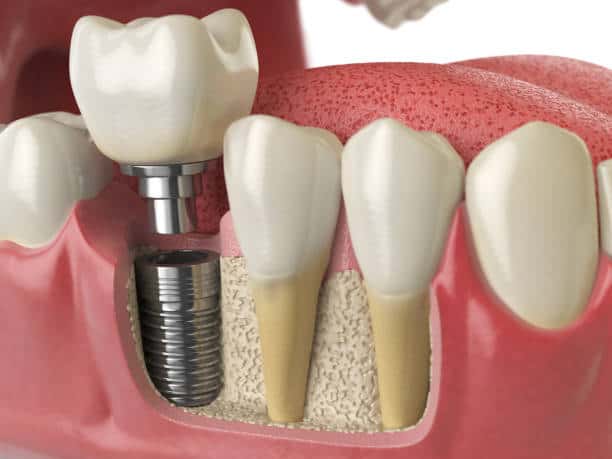
    Dental implants are unique because they don’t just replace the visible crown of a tooth—they also replace the root. This is accomplished through a small titanium post that is surgically placed into the jawbone. Over time, the bone fuses with the implant through a process called osseointegration, creating a stable foundation that mimics a natural root.

    What is osseointegration and why does it matter?

    Osseointegration is the medical term for the way bone tissue bonds to the implant surface. This fusion is what makes implants so reliable. Once the implant integrates, it acts just like a natural root, transmitting chewing forces into the jawbone. Without osseointegration, the implant would not be secure.

    At Burlingame Dental Arts, we use advanced imaging to place implants precisely, which helps ensure successful osseointegration. Our patients in Portland often find it fascinating that their body’s natural healing response is what makes implants work so effectively.

    How chewing pressure helps bone stay strong

    Every time you chew, bite, or even clench your teeth, you’re giving your jawbone a “workout.” This stimulation signals your body to maintain bone density in that area. With dentures or bridges, this stimulation doesn’t reach the bone—but with implants, it does. That’s why implants are considered the gold standard for preventing bone loss.

    Long-Term Benefits of Preventing Bone Loss in Portland

    Stopping bone loss isn’t just about preserving oral health—it has wide-reaching benefits that impact your overall quality of life. Here’s what patients at Burlingame Dental Arts can expect when implants are placed to protect bone:

    • Preserved facial shape: Bone loss around the mouth leads to a sunken, aged appearance. Implants keep your bone intact, helping you look younger longer.
    • Stable bite: With bone support maintained, your bite stays balanced and strong. This makes it easier to chew foods like steak, apples, or corn on the cob.
    • Prevention of shifting teeth: When bone is lost, neighboring teeth often drift into the gap. Implants keep spacing intact, protecting your natural teeth.
    • Improved speech: With stable teeth supported by healthy bone, speech remains clear.
    • Confidence: Knowing your smile is supported both above and below the gumline makes patients feel more comfortable in both social and professional settings.

    Many of our Portland patients who choose implants say they didn’t realize how important bone preservation was until we explained it. Once they understand, they see implants as more than just a replacement tooth—they see them as an investment in long-term health.

    Why Dentures and Bridges Don’t Stop Bone Loss in Portland

    Dentures and bridges are traditional solutions for missing teeth, but they don’t prevent bone loss the way implants do. That’s because neither treatment replaces the root of the tooth.

    Can dentures cause bone loss over time?

    Yes. Dentures sit on top of the gums and don’t stimulate the bone underneath. In fact, ill-fitting dentures can actually accelerate bone loss by applying uneven pressure on the gums. Many patients in Portland find that over time their dentures become loose—not because the dentures changed, but because their bone shrank underneath.

    Do bridges help bone health?

    No. Bridges fill a gap by anchoring to the teeth on either side, but they don’t extend into the jawbone. The bone where the missing tooth was will still resorb. While bridges restore function and aesthetics, they don’t provide the bone-preserving benefits of implants.

    This is one of the reasons Burlingame Dental Arts often recommends implants to patients in Portland who want a truly long-term solution.

    FAQs About Bone Loss and Implants in Portland

    How soon does bone loss start after losing a tooth?

    Bone loss can begin within the first six months after extraction, and it continues gradually over the years. This is why Burlingame Dental Arts often encourages patients in Portland to consider implants sooner rather than later.

    Can implants reverse bone loss?

    Implants themselves don’t “grow back” bone that’s already lost, but they stop further loss by reintroducing stimulation. In cases of significant loss, bone grafting may be performed first to rebuild the foundation so implants can be placed successfully.

    Do all implant patients need bone grafting?

    Not all. Many patients in Portland have enough bone for implants without grafting. However, if bone has already deteriorated, a graft may be necessary. At Burlingame Dental Arts, we use detailed CBCT scans to determine whether grafting is needed before moving forward.

    Protect Your Smile with Implants in Portland

    Tooth loss sets off a silent process of bone resorption that can affect your smile, your bite, and even your appearance. Fortunately, dental implants provide a proven way to stop this process and keep your jawbone strong for life.

    At Burlingame Dental Arts in Portland, we’ve helped countless patients not only restore their smiles but also preserve their bone health with implants. By choosing implants, you’re choosing stability, confidence, and protection against the long-term effects of bone loss.

    If you’re ready to protect your smile and your oral health, schedule a dental implant consultation with Burlingame Dental Arts today. Together, we’ll create a personalized plan to restore your teeth and preserve your jawbone for years to come.
  • Are You a Candidate for Dental Implants in Portland? Expert Guide

    Are You a Candidate for Dental Implants in Portland? Expert Guide

    If you’ve been considering ways to restore your smile after tooth loss, chances are you’ve thought about dental implants. At Burlingame Dental Arts in Portland, we see more and more patients each year who want to know if implants are right for them. And it’s no surprise—implants are widely regarded as the gold standard in tooth replacement, offering stability, comfort, and a natural look that other options simply can’t match.

    But here’s the catch: not everyone is an immediate candidate for implants. Certain health factors, lifestyle habits, and oral conditions play an important role in determining whether implants will succeed long term. That doesn’t mean you won’t qualify; it simply means you need the right evaluation and sometimes additional treatments to prepare your mouth for implants.

    In this guide, we’ll explain everything you need to know about candidacy for dental implants in Portland. We’ll cover the ideal conditions, the health concerns that might affect your eligibility, the importance of gum and bone health, lifestyle factors, and what the evaluation process looks like here at Burlingame Dental Arts. By the end, you’ll have a clear picture of whether implants could be in your future.

    What Makes a Good Candidate for Dental Implants in Portland?

    Generally speaking, good candidates for dental implants are healthy adults who have lost one or more teeth and want a long-term solution. At Burlingame Dental Arts, we look for a few key qualities when determining whether someone in Portland is ready for implants:

    • Healthy gums: Implants need strong gum tissue to heal and stabilize. Untreated gum disease can compromise implant success.
    • Adequate bone density: The implant posts are placed directly into your jawbone, so the bone must be thick and strong enough to anchor them.
    • Overall health: Certain chronic conditions can slow healing, so good general health is important.
    • Commitment to oral care: Brushing, flossing, and regular dental checkups are critical for keeping implants healthy long term.
    • Age: Adults of nearly any age can qualify for implants. As long as growth is complete (usually by late teens), there is no strict upper age limit.

    In Portland, many patients who assume they don’t qualify are pleasantly surprised once we take a closer look. With today’s advanced techniques, even patients who lack bone or have had gum issues in the past often still become good candidates once the right preparatory steps are taken.

    Health Conditions That Affect Eligibility in Portland

    Your overall medical health is just as important as your oral health when it comes to dental implants. At Burlingame Dental Arts, we always review your health history during your consultation to make sure implants are a safe and reliable choice for you.

    Conditions we take into account include:

    • Diabetes: Uncontrolled diabetes can interfere with healing, but well-managed diabetes often doesn’t pose a problem.
    • Osteoporosis: Because implants rely on bone for support, patients with advanced osteoporosis may need bone grafting.
    • Heart disease: Certain heart conditions may require coordination with your physician before surgery.
    • Gum disease: Active periodontal disease must be treated before implants can be placed.

    Can people with diabetes get dental implants in Portland?

    Yes, but only if your diabetes is under control. At Burlingame Dental Arts, we work closely with patients and their physicians to make sure blood sugar is well managed before implant surgery. Controlled diabetes does not rule out implants, but it does make diligent aftercare even more important.

    Do blood thinners prevent implant surgery?

    Not necessarily. Many patients in Portland take blood thinners for heart or vascular health. While these medications can increase bleeding risk, we coordinate with your doctor to adjust your care plan safely. In most cases, blood thinners don’t disqualify you from implants, they just mean extra precautions during the procedure.

    Jawbone and Gum Health Requirements in Portland

    Strong gums and bone are essential to support dental implants. If gum disease has caused tissue loss or if missing teeth have led to bone shrinkage, implants can still be possible, you may simply need preparatory treatments.

    What if I don’t have enough bone for implants in Portland?

    Bone grafting is a common solution. At Burlingame Dental Arts, we can build up the jawbone using grafting material so the implant has a secure foundation. This process adds time to your overall treatment plan but dramatically improves long-term success.

    How do dentists measure bone density before implants?

    We use CBCT (cone beam computed tomography) scans at Burlingame Dental Arts. This advanced imaging allows us to see a 3D view of your jawbone, measure thickness and density, and plan implant placement with pinpoint accuracy. For patients in Portland, this means no guesswork, only precision.

    Lifestyle Factors That Influence Implant Success in Portland

    Your daily habits also play a role in how well dental implants heal and last. At Burlingame Dental Arts, we talk with our Portland patients about:

    • Smoking: Nicotine restricts blood flow, making healing slower and implant success rates lower.
    • Alcohol use: Excessive drinking can interfere with healing and bone integration.
    • Oral hygiene: Good brushing, flossing, and dental visits are crucial.
    • Diet: Nutritious foods that promote healing (lean proteins, leafy greens, etc.) can support recovery.

    Can smokers get dental implants in Portland?

    Smokers can still get implants, but quitting, even temporarily, greatly increases success rates. At Burlingame Dental Arts, we strongly encourage our patients to reduce or stop smoking before implant surgery to give their new smile the best chance to thrive.

    How important is oral hygiene for implants?

    It’s critical. Implants are cavity-proof, but the surrounding gum tissue is not. In Portland, we see that patients who stick to regular cleanings and home care enjoy decades of success with their implants, while neglecting hygiene can lead to implant failure.

    How Portland Dentists Evaluate Implant Candidates

    Wondering what the evaluation process looks like? At Burlingame Dental Arts, we make it as straightforward and comfortable as possible.

    1. Consultation: We start by discussing your goals and reviewing your medical and dental history.
    2. Comprehensive exam: We’ll check your gums, teeth, and bite.
    3. CBCT scan: This 3D imaging helps us measure bone density and plan treatment.
    4. Treatment planning: If additional care (like gum therapy or bone grafting) is needed, we’ll explain it step by step.
    5. Personalized plan: Every patient in Portland gets a custom implant plan that fits their health, timeline, and budget.

    FAQs About Implant Candidacy in Portland

    Is there an age limit for dental implants in Portland?

    No. Whether you’re 20 or 80, implants can be an option as long as your health and bone structure allow. At Burlingame Dental Arts, we’ve helped patients of all ages in Portland restore their smiles.

    Can denture wearers switch to implants?

    Absolutely. Many patients in Portland who are tired of loose dentures transition to implant-supported dentures or full-arch implants. This provides better stability, chewing power, and confidence.

    How long after extraction can I get implants in Portland?

    It depends on your bone and gum health. Some patients qualify for immediate implants right after extraction. Others may need a few months of healing first. At Burlingame Dental Arts, we’ll let you know the best timing for your unique case.

    Book a Dental Implant Consultation in Portland

    If you’ve been wondering whether you’re a candidate for dental implants, the best next step is to sit down with a dentist who can evaluate your specific situation. At Burlingame Dental Arts in Portland, we’ve helped countless patients regain their smiles with implants, even when they thought it wasn’t possible.

    Every patient is different, but one thing remains the same: dental implants have the power to transform your oral health, your confidence, and your quality of life.

    Don’t wait to find out if you qualify. Schedule your implant consultation with Burlingame Dental Arts today and take the first step toward a smile you’ll love for a lifetime.

  • Who Needs Dentures? Portland Guide to Candidates, Options & Next Steps

    Who Needs Dentures? Portland Guide to Candidates, Options & Next Steps

    Wondering if dentures might be in your future? If you’re experiencing missing teeth, dental pain, or difficulty chewing, you’re not alone, and understanding your options is the first step to restoring your smile. As a dentist in Portland with over 15 years of experience, I’ve helped hundreds of patients determine whether they’re denture candidates, and what the right solution is for their long-term oral health.

    This guide walks you through the signs to watch for, evaluation criteria, and what to expect if you’re exploring tooth replacement options like dentures, bridges, or implants.

    Signs You May Need Dentures

    If you’re asking yourself, “Do I need dentures?”, these are the most common signs we evaluate during a professional denture consultation.

    Missing Multiple Teeth

    Missing several teeth, especially in a row, is the most obvious indicator. This not only affects how you eat and speak, but also causes your jawbone to shrink and facial muscles to sag.

    General Rule: If you’re missing more than 3–4 teeth in one area, dentures or another tooth replacement option should be considered.

    Severe Tooth Decay or Damage

    When teeth are too compromised for fillings or crowns, dentures often become the most practical solution. If you’re frequently dealing with broken teeth or root canals, this could be a red flag.

    Gum Disease (Periodontitis)

    Advanced gum disease can cause bone loss and loose teeth, making long-term preservation unlikely. During a denture evaluation, gum condition plays a major role in your treatment plan.

    Ongoing Dental Pain or Infections

    Chronic infections and abscesses signal that your oral health may be declining. Replacing infected teeth with dentures can relieve pain and improve your overall health.

    Trouble Chewing or Speaking

    Difficulty chewing certain foods or slurring speech due to gaps or loose teeth often suggests that it’s time to consider a tooth replacement.

    Does Age Matter When It Comes to Dentures?

    No, dentures aren’t just for seniors.
    While age increases the likelihood of needing tooth replacement, I’ve fitted dentures for patients in their 30s and 40s due to:

    • Genetic enamel weakness
    • Untreated cavities or gum disease
    • Sports injuries or trauma
    • Autoimmune or chronic conditions
    • Medication side effects (e.g., dry mouth, decay)

    What matters more than age is your oral function, comfort, and confidence, and that’s what we focus on during every denture evaluation at Burlingame Dental Arts.

    What Determines If You’re a Denture Candidate?

    At our Portland dental office, every evaluation includes a thorough exam and personalized treatment recommendations. Here’s what we assess:

    Jawbone Density

    Good bone structure is needed for implant-supported options. If density is low, we may suggest traditional dentures or grafting before implants.

    Gum Health

    Healthy gums help dentures fit better and feel more comfortable. We’ll check for inflammation, recession, or infection during your exam.

    Remaining Teeth

    If you still have some healthy teeth, we may recommend partial dentures or bridges instead of full extractions. Preserving what’s healthy is always a priority.

    Oral Function & Lifestyle

    We evaluate how your current condition affects your speech, chewing, and confidence. These functional indicators often guide whether we recommend dentures or alternatives.

    Alternatives to Dentures: Know Your Options

    We never push dentures if another solution is a better fit. Here’s how the main options compare:

    Dental Implants

    Best for: Patients with strong jawbone and good health

    • Permanently anchored to the bone
    • Feels and functions like natural teeth
    • Higher initial cost but long-term value

    Dental Bridges

    Best for: Patients missing 1–3 teeth in one area

    • Anchored to adjacent teeth
    • More affordable than implants
    • No surgery required

    Implant-Supported Dentures

    Best for: Patients needing full replacement with added stability

    • Combines dentures with 2–6 implants
    • More secure than traditional dentures
    • Less invasive than a full mouth of implants

    Partial Dentures

    Best for: Patients with some healthy teeth remaining

    • Fills gaps while preserving existing teeth
    • Removable and affordable
    • Modern materials offer comfort and aesthetics

    How Much Do Dentures Cost?

    Cost depends on the type, materials, and whether extra procedures (like extractions or bone grafting) are needed.

    Type Estimated Cost Range
    Full Dentures $1,000 – $3,000 per arch
    Partial Dentures $700 – $2,500
    Immediate Dentures $1,500 – $3,500
    Implant-Supported Dentures $4,000 – $30,000

    We’ll always provide a full cost breakdown during your consultation, including what insurance may cover.

    How to Care for Dentures

    Once you have dentures, daily care is essential for comfort and longevity.

    Tips for Long-Term Success:

    • Clean dentures daily with a soft brush and non-abrasive cleaner
    • Rinse after meals
    • Soak them overnight in a denture-safe solution
    • Visit us regularly for fit checks and oral exams
    • Never use hot water, which can warp them

    Most dentures last 5–10 years, but good care can extend their lifespan and maintain a healthy mouth.

    Frequently Asked Questions (FAQs)

    Can I still get dentures if I have some teeth left?
    Yes, partial dentures are made specifically for patients with remaining healthy teeth. We design them to fit around your natural teeth for a comfortable, functional solution.

    Do dentures hurt?
    No, dentures should not hurt once properly fitted. Some initial soreness is normal, but we make adjustments to ensure comfort during the transition.

    Are dentures covered by insurance?
    In most cases, yes. Many dental insurance plans partially cover dentures. We’ll review your coverage and financing options during your visit.

    Take the Next Step: Schedule Your Denture Evaluation

    If you’ve noticed several signs mentioned above, or scored high on a who needs dentures quiz, it’s time to take action. At Burlingame Dental Arts, we make the process simple, stress-free, and fully personalized.

    • Comprehensive exams
    • Custom treatment plans
    • Transparent pricing and payment options
    • Focused on comfort, aesthetics, and confidence

    Call today or contact us online to schedule your denture consultation in Portland. We’re here to restore your smile and help you feel like yourself again.

  • Denture Options in Portland: Full, Partial & Implant-Supported Compared

    Denture Options in Portland: Full, Partial & Implant-Supported Compared

    Choosing the right dentures can be confusing, but understanding your options ensures a better long-term outcome. As a dentist in Portland with over a decade of experience, I’ve helped hundreds of patients restore their smiles and quality of life through personalized denture solutions.

    Dentures are removable or fixed prosthetic devices designed to replace missing teeth, improve speech clarity, support facial structure, and restore your ability to eat comfortably. Whether you’ve lost a few teeth or an entire arch, there are multiple types of dentures available, and the right fit depends on your oral health, lifestyle, and goals.

    This guide breaks down the different denture types, how they work, and which may be best for your needs.

    Full Dentures: Complete Smile Restoration

    Full dentures are ideal for patients who have lost all their teeth in either the upper, lower, or both arches. These are the most traditional and widely used denture option.

    What They Are:

    • A gum-colored acrylic base rests on your gums
    • Artificial teeth (porcelain or acrylic) are attached to the base

    Pros:

    • Most affordable full-mouth restoration
    • Non-invasive and widely available
    • Improves ability to chew and speak

    Cons:

    • May feel bulky or loose at first
    • Often requires adhesive
    • Needs periodic relining as gums shrink

    Cost Range: $1,000–$3,000 per arch, depending on materials and customization
    Best for: Patients missing all teeth who want an affordable, non-surgical solution

    Partial Dentures: Filling the Gaps

    If you still have some healthy natural teeth, partial dentures may be a better option than going fully edentulous.

    What They Are:

    • Prosthetic teeth attached to a gum-colored base
    • Held in place by a metal or flexible nylon framework
    • Clasps connect to natural teeth for support

    Metal vs. Flexible Partials:

    • Metal: More durable, slightly more visible
    • Flexible nylon: More aesthetic, lightweight, and comfortable

    Pros:

    • Preserves remaining teeth
    • More stable than full dentures
    • Removable for easy cleaning

    Cons:

    • May require adjustments over time
    • Clasps may be visible when smiling

    Cost Range: $700–$2,500 depending on material and complexity
    Best for: Patients with some natural teeth remaining

    Immediate Dentures: No Time Without Teeth

    Immediate dentures are prepared and placed on the same day as your tooth extractions, ensuring you’re never without a smile.

    What They Are:

    • Temporary dentures made in advance
    • Placed immediately after extractions
    • Adjusted during the healing process

    Pros:

    • Instant results, no “toothless” period
    • Helps maintain facial appearance during healing

    Cons:

    • Require frequent relining as gums heal
    • Higher cost due to adjustments

    Healing Time: 3–6 months for gums to settle before permanent dentures
    Cost Range: $1,500–$3,500 including follow-ups
    Best for: Patients needing extractions but wanting immediate tooth replacement

    Implant-Supported Dentures: Ultimate Stability

    Implant-supported dentures offer the highest level of comfort, function, and long-term health benefits.

    What They Are:

    • Dentures anchored to titanium implants placed in the jawbone
    • Can be removable (bar- or ball-retained) or fixed in place

    Bar-Retained: Denture clips onto a thin metal bar
    Ball-Retained: Ball-and-socket attachment for secure hold
    Fixed: Only removable by a dental professional

    Pros:

    • Most stable and natural-feeling option
    • Prevents jawbone deterioration
    • Allows more efficient chewing

    Cons:

    • Higher initial cost
    • Requires oral surgery

    Cost Range: $4,000–$30,000 depending on implant type and number
    Best for: Patients seeking long-term solutions with maximum function and stability

    Material Comparisons: Comfort, Aesthetics, and Durability

    When choosing your dentures, the material matters just as much as the type.

    Base Materials:

    • Standard Acrylic: Affordable but may wear faster
    • High-Impact Acrylic: More durable and resistant to fractures
    • Flexible Nylon: Used in partials for better comfort and esthetics

    Tooth Materials:

    • Porcelain: Stronger and more natural-looking, but heavier
    • Acrylic: Lighter, less likely to chip, and easier to adjust

    Pro Tip: Porcelain may not be ideal if you still have natural teeth, as it can wear them down.

    How to Choose the Right Dentures

    Every smile is different. Here are some key factors we evaluate:

    • Number of missing teeth
    • Condition of remaining teeth and gums
    • Budget and insurance coverage
    • Your lifestyle (active vs. home-based)
    • Expectations for aesthetics and function

    We take the time to walk through each option and create a customized plan that prioritizes your health, comfort, and confidence.

    Denture Care and Longevity

    Proper care extends the life of your dentures and protects your oral health.

    Daily Care Tips:

    • Brush your dentures gently every day with a denture brush
    • Rinse after eating to remove food particles
    • Soak overnight in a denture solution to keep them moist
    • Avoid using hot water, which can warp them

    Common Mistakes to Avoid:

    • Wearing dentures overnight without cleaning
    • Skipping routine dental checkups
    • Using abrasive toothpaste or bleach-based cleaners

    Lifespan:

    • Full/partial dentures: 5–10 years
    • Implant-supported dentures: 10–20+ years with proper care

    Cost Comparison Table

    Type Average Cost (Per Arch) Longevity Stability
    Full Dentures $1,000–$3,000 5–8 years Moderate
    Partial Dentures $700–$2,500 5–10 years Moderate–High
    Immediate Dentures $1,500–$3,500 Temporary (3–6 months) Moderate
    Implant-Supported Dentures $4,000–$30,000 10–20+ years Very High


    Frequently Asked Questions (FAQs)

    Can I sleep with my dentures in?
    No, you should not sleep with your dentures in. Removing them at night allows your gums to rest and helps prevent irritation, infection, and bacteria buildup.

    Will dentures change the way I speak or eat?
    Yes, dentures may temporarily affect your speech and eating, but most patients adjust within a few weeks. Implant-supported dentures offer the most natural feel and function.

    How often should dentures be replaced?
    Dentures should typically be replaced every 5 to 10 years. Over time, they can wear down or stop fitting properly due to changes in your jawbone and gum tissues.

    Final Thoughts from Your Portland Dentist

    After helping many patients explore their denture options, I believe the best results come from personalized care and clear guidance. At Burlingame Dental Arts, we don’t just hand you a set of dentures,  we walk with you every step of the way to ensure comfort, function, and a confident smile.

    If you’re considering dentures or are unhappy with your current set, don’t wait. Contact our Portland office today to schedule a consultation and take the first step toward restoring your smile.

    Call us today or reach out through our website. We’re here to help you smile confidently again.

  • How to Find the Best Treatment for Periodontal Disease in Portland

    How to Find the Best Treatment for Periodontal Disease in Portland

    If you’re dealing with sensitive gums, bad breath, or can see pink in the sink when you brush your teeth, it’s time to seek out the best treatment for periodontal disease. As an experienced dentist in Portland, I’ve helped thousands of patients navigate their treatment options. Today, I want to share my insights about the best treatment for periodontal disease, based on both clinical research and my hands-on experience treating diverse cases.

    Non-Surgical Treatment Options: Where We Often Begin

    In my practice, I typically start with conservative approaches when appropriate. According to the American Academy of Periodontology’s latest treatment guidelines, non-surgical interventions can effectively manage many early to moderate cases of periodontal disease.

    The initial phase often includes scaling and root planing (SRP), which the Journal of Clinical Periodontology reports has a success rate of 75% in treating early to moderate periodontal disease. During this deep cleaning procedure, my dental hygiene team will remove bacteria, calculus, and stains from both above and below the gum line.

    I’ve found that combining SRP with locally administered antibiotics significantly improves outcomes. Research published in the International Journal of Dental Sciences shows that this combination can reduce pocket depths by an additional 1-2mm compared to SRP alone. Recovery typically takes 2-3 days, with minimal discomfort that can be managed with over-the-counter pain relievers.

    Surgical Interventions: When More Aggressive Treatment Is Needed

    When providing periodontal disease treatment in Portland, I sometimes encounter cases requiring surgical intervention. This may be necessary if your pocket depths exceed 6mm.

    Common surgical options include:

    Flap Surgery

    • Success rate: 85-95% when combined with proper maintenance
    • Recovery time: 1-2 weeks
    • Best for: Deep pockets and irregular bone loss

    Tissue Regeneration

    • Success rate: 70-90%, depending on defect type
    • Recovery time: 2-3 weeks
    • Best for: Significant bone loss cases

    Soft Tissue Grafts

    • Success rate: 80-95% root coverage
    • Recovery time: 2 weeks
    • Best for: Severe recession cases

    Maintenance Programs: The Key to Long-Term Success

    From my experience providing periodontal disease treatment in Portland, I’ve learned that the best treatment for periodontal disease isn’t just about the initial intervention—it’s about long-term maintenance. Patients who maintain regular 3-month recall visits with our practice show significantly better outcomes than those who don’t.

    My recommended maintenance protocol includes:

    1. Professional cleaning every 3-4 months
    2. Annual comprehensive periodontal evaluation
    3. Regular bacterial testing when indicated
    4. Adjustment of home care routine as needed

    Comparing Success Rates Across Treatments

    Based on my clinical experience and current research from the American Journal of Dentistry, here’s how different treatments compare:

    Non-Surgical Treatments:

    • Scaling and Root Planing: 75-85% success rate
    • Local Antibiotic Therapy: 65-75% improvement
    • Combined Approach: 80-90% success rate

    Surgical Treatments:

    • Traditional Flap Surgery: 85-95% success
    • Guided Tissue Regeneration: 70-90% success
    • Bone Grafting: 75-85% success

    Recovery Times and Patient Experience

    When discussing the best treatment for periodontal disease with my patients, I always include recovery time in the conversation. Here’s what you can typically expect:

    Non-Surgical Procedures: Most patients return to normal activities within 24-48 hours. Sensitivity and minor discomfort may persist for a few days but are typically manageable with over-the-counter pain medication.

    Surgical Procedures: Recovery varies based on the extent of surgery but generally follows this timeline:

    • Days 1-3: Rest and limited activity
    • Days 4-7: Return to normal activities
    • Weeks 2-3: Soft tissue healing
    • Months 3-6: Complete bone healing

    Factors Influencing Treatment Success

    As a provider of periodontal disease treatment in Portland, I’ve identified several factors that influence treatment outcomes:

    Patient Commitment: Home care compliance is crucial. Studies show that patients who follow recommended oral hygiene protocols have 60% better outcomes.

    Overall Health: Conditions like diabetes can affect healing. Working with your medical doctor to manage systemic conditions improves periodontal treatment success.

    Smoking Status: Non-smokers show 30-40% better treatment outcomes, so this is a perfect time to quit.

    Making the Right Choice for Your Situation

    The correct treatment for periodontal disease varies from person to person. In my practice, I consider several factors when recommending treatment:

    1. Disease severity and progression
    2. Overall health status
    3. Patient preferences and lifestyle
    4. Long-term maintenance ability
    5. Cost considerations

    Conclusion

    As someone who’s spent years treating periodontal disease in Portland, I can confidently say that the best treatment for periodontal disease is one that’s tailored to your specific situation. Success depends not only on choosing the right procedure but also on commitment to follow-up care and maintenance.

    If you’re considering periodontal treatment, I encourage you to schedule with my office so I can evaluate your specific case. While this guide provides general information, your treatment plan should be personalized to your needs, taking into account factors like disease severity, overall health, and lifestyle considerations.

    Remember, successful periodontal treatment isn’t just about addressing current symptoms—it’s about establishing a foundation for long-term oral health. Whether through non-surgical or surgical interventions, the goal is to achieve stable, healthy gums that you can maintain for years to come.

  • Comparing Different Types of Dental Crowns in Portland

    Comparing Different Types of Dental Crowns in Portland

    I frequently talk to my patients about the different types of dental crowns available to restore their teeth. Understanding the different crown materials available helps you make an informed decision about your dental care. Let me share my professional insights about your various crown options and help you determine which might be best for your specific situation.

    When we compare the types of dental crowns, we need to consider several key factors that influence the choice of material. These include the tooth’s location in your mouth, your budget, aesthetic preferences, and functional requirements. At my practice, I take time to explain how each material option addresses these important considerations.

    The World of Porcelain and Ceramic Crowns

    Porcelain crowns represent the gold standard for natural appearance among crown material differences. These crowns perfectly mimic the translucency and color variations of natural teeth, making them virtually indistinguishable from your original teeth. For front teeth, porcelain often emerges as the premier choice due to its exceptional aesthetic properties.

    The latest ceramic materials have revolutionized dental crowns. Modern ceramics offer remarkable strength while maintaining the beautiful appearance of natural teeth. In my experience at our Portland dental practice, patients particularly appreciate how these materials can be precisely color-matched to their existing teeth, creating a seamless smile.

    Metal and Porcelain-Fused-to-Metal Options

    When comparing your dental crown options, traditional metal crowns still hold an important place in dentistry. Gold alloy crowns, for instance, demonstrate outstanding durability and cause minimal wear to opposing teeth. Through my years of practice, I’ve observed that metal crowns often outlast other materials, particularly for back teeth where appearance is less crucial. 

    Porcelain-fused-to-metal crowns combine durability with aesthetics. This option features a strong metal core covered by porcelain, offering both strength and a natural appearance. However, they may show a metal line near the gum, which factors into our comparison of types of dental crowns when considering front teeth placement.

    Durability and Longevity Considerations

    The longevity of different crown materials varies significantly. In comparing crown material differences, zirconia crowns stand out for their exceptional strength and resistance to wear. These modern materials can last 15 years or more with proper care, making them an excellent long-term investment in your oral health.

    Traditional porcelain crowns, while beautiful, were more susceptible to chipping than their metal or zirconia counterparts. Luckily, advancements in material science have significantly improved their durability. Modern porcelain crowns can provide many years of service when properly maintained.

    Maintenance Requirements Across Materials

    Different crown options require varying levels of maintenance. Metal crowns generally need the least maintenance, as they’re highly resistant to wear and rarely chip or break. Porcelain and ceramic crowns require more careful attention to oral hygiene and may need occasional professional polishing to maintain their appearance.

    Cost Considerations and Value Analysis

    When comparing the best dental crown materials, cost becomes an important factor. Metal alloy crowns often represent the most economical choice, while advanced ceramics and premium porcelain options command higher prices. However, you must consider long-term value rather than just initial cost.

    The investment in quality materials often pays dividends through longer service life and better aesthetic results. In our Portland dental office, we help patients understand how material choice affects both immediate costs and long-term value, ensuring they make well-informed decisions about their dental care.

    Making Your Decision

    The ideal crown material depends on your specific situation. Front teeth typically benefit from porcelain or ceramic materials due to their superior aesthetics, while back teeth might be better served by more durable metal or zirconia options. During your consultation at our office, we’ll conduct a thorough types of dental crowns comparison to determine the best choice for your needs.

    Your Role in the Decision Process

    Understanding crown options helps you participate actively in your treatment planning. At Burlingame Dental Arts, we encourage questions about crown material differences and provide detailed information about how each option might serve your specific needs. This collaborative approach ensures you feel confident about your choice of dental crown material.

    Take the Next Step

    I invite you to schedule a consultation at our Portland dental practice to discuss your specific needs and explore which crown material might be best for you. Contact us at 503-246-8447 to arrange your visit. During our meeting, we’ll review all crown options in detail and create a treatment plan that aligns with your oral health goals, aesthetic preferences, and budget considerations.

    Remember, choosing the right crown material is a personal decision that depends on various factors. Let our experienced team help you navigate the types of dental crowns comparison to find your ideal solution. Your perfect smile awaits at Burlingame Dental Arts in Portland.

  • Understanding Dental Crown Costs in Portland: A Complete Guide

    Understanding Dental Crown Costs in Portland: A Complete Guide

    As a dentist practicing in Portland, I often discuss dental crown cost without insurance with my patients. I understand that cost considerations play a significant role in dental treatment decisions, and I believe in providing transparent information about pricing and payment options.

    The dental crown cost without insurance typically ranges from $800 to $1,700 per crown in our area. This variation reflects several important factors including the materials used, the complexity of the procedure, and the location of the affected tooth. In Portland, we strive to provide competitive pricing while maintaining the highest standards of care.

    Material selection significantly impacts the crown tooth price. Porcelain crowns generally cost more than metal alternatives, but they offer superior aesthetics that my patients prefer, especially for visible teeth. All-ceramic crowns provide excellent durability and natural appearance, though they represent the higher end of the price spectrum. Metal alloy crowns, while less expensive, are incredibly durable and might be recommended by some practices for back teeth where aesthetics are less crucial.

    When considering dental crown cost without insurance, it’s important to understand that the price includes multiple components. The total cost encompasses the crown itself, the procedure, any necessary preparations like build-ups or posts, temporary crowns, and the expertise of the dental team. At our dental office in Portland, we ensure every aspect of your treatment meets our exacting standards.

    Payment Options and Insurance Considerations

    Many patients are concerned about managing dental crown cost without insurance coverage, but various payment solutions are available. Our office works with several financing companies that offer flexible payment plans, allowing you to spread the cost over time. These plans often feature low or zero interest rates for qualified patients, making affordable dental crowns more accessible.

    While we’re discussing dental crown cost without insurance, it’s worth noting that if you do have insurance, coverage typically ranges from 50% to 80% of the total cost after meeting your deductible. However, many plans have annual maximums that might limit coverage. Our experienced team can help you understand your insurance benefits and maximize your coverage.

    The Long-term Value Proposition

    When evaluating the cost of a dental crown without insurance, consider the long-term value. A well-maintained crown can last 15 years or more, making it a worthwhile investment in your oral health. The crown tooth price includes not just the restoration itself, but also the prevention of future dental problems that could be more costly to address.

    At our Portland dental practice, we’ve seen how timely crown placement can prevent the need for more extensive treatments like root canals or extractions. While the initial dental crown cost without insurance might seem significant, the alternative of delaying treatment often leads to more expensive procedures down the road.

    Making Dental Crowns More Affordable

    If you do have insurance coverage, your plan should likely reimburse you for what is considered the “customary and reasonable” fee for a dental crown in Portland, though that fee is typically based on a metal crown, or porcelain fused to metal crown, which is not as aesthetic an option. You would be responsible only for the difference between our fee and what your insurance will cover. 

    We offer various payment programs to help patients manage dental crown costs without insurance. These include third-party financing options through respected healthcare credit providers, allowing you to receive treatment immediately while paying over time. 

    Prevention and Maintenance

    The best way to manage dental crown cost without insurance is to protect your investment through proper maintenance. Regular check-ups and excellent oral hygiene can extend the life of your crown significantly. During your visits to our Portland restorative dentistry practice, we’ll monitor your crown’s condition and address any issues before they become major problems.

    Making Your Decision

    As your dentist in Portland, I encourage you to consider all aspects of dental crown cost without insurance, including long-term benefits, available payment options, and the importance of timely treatment. Our team at Burlingame Dental Arts is committed to helping you find the most cost-effective solution for your dental needs while ensuring the highest quality care.

    Contact our office today at 503-246-8447 to schedule a consultation. We’ll provide a detailed treatment plan, including exact costs and payment options tailored to your situation. Let us help you achieve optimal oral health with a solution that fits your budget. Remember, investing in your oral health today can prevent more costly procedures in the future.

    Our commitment to transparent pricing and flexible payment options makes quality dental care accessible to our community. Don’t let concerns about dental crown cost without insurance prevent you from getting the treatment you need. Together, we’ll find a solution that works for your oral health needs and your financial situation.


  • 7 Signs You Need a Dental Crown

    7 Signs You Need a Dental Crown

    As a dentist in Portland for over a decade, I’ve helped countless patients understand when they need dental crowns. I often find that many people are uncertain about the signs indicating they need a dental crown, leading them to delay necessary treatment. Today, I’d like to share my expertise on the clear indicators that suggest you might need this important dental restoration.

    A dental crown is essentially a protective cap that fits over your natural tooth, designed to restore its strength, function, and appearance. In my practice at Burlingame Dental Arts, I’ve observed that recognizing the signs you need a dental crown early can prevent more serious complications down the road.

    Let’s explore the seven most common signs that indicate you might need a dental crown, based on my extensive clinical experience treating dental patients in Portland community.

    • Cracked or Fractured Teeth

    One of the most obvious signs you need a dental crown is a cracked or fractured tooth. In my practice, I frequently see patients who’ve cracked their teeth from biting down on hard foods or through accidents. When a tooth is cracked, it becomes vulnerable to further damage and infection. A dental crown can effectively protect the damaged tooth by holding it together and preventing the crack from expanding.

    • Extensive Decay

    When decay has compromised a significant portion of your tooth, a simple filling may not provide adequate protection. As a dentist, I often recommend dental crowns when the decay affects more than 50% of the tooth width. The crown provides comprehensive coverage and protection, preventing further decay while restoring the tooth’s functionality.

    • Persistent Sensitivity

    One subtle but important indicator that you might need a dental crown is persistent tooth sensitivity. In my experience treating patients at my Portland dental practice, I’ve noticed that teeth requiring crowns often exhibit heightened sensitivity to hot and cold temperatures. This sensitivity occurs because the tooth’s protective layers have been compromised, exposing the sensitive inner structures.

    • Bite Misalignment

    When your bite feels off or you’re experiencing difficulty chewing, these could be signs you need a dental crown. I’ve treated numerous patients whose worn-down or damaged teeth have affected their bite alignment. A properly fitted crown can restore proper bite mechanics and eliminate discomfort while chewing.

    • Severe Discoloration

    While not all discolored teeth require crowns, severe discoloration that doesn’t respond to traditional whitening methods might indicate deeper structural issues. In my practice, I’ve found that significant discoloration often coincides with other problems that make a crown necessary, such as previous root canal treatment or internal tooth damage.

    • Multiple Large Fillings

    If you have a tooth with multiple fillings or particularly large ones, this could be one of the signs you need a dental crown. Through my years of experience, I’ve observed that teeth with numerous fillings become structurally compromised over time. A crown can provide the necessary protection and prevent potential fractures.

    • Post-Root Canal Protection

    After root canal therapy, the treated tooth often requires a crown for protection. At my dental practice in Portland, I always explain to patients that a crown is typically necessary following a root canal to prevent the weakened tooth from breaking during normal use.

    Understanding these signs is crucial for maintaining your oral health. As your local dentist in Portland, I recommend scheduling a consultation if you’re experiencing any of these symptoms. Early intervention with a dental crown can prevent more extensive and expensive treatments in the future.

    The process of getting a crown is straightforward and typically requires just two visits to our office. During your first visit, we’ll prepare the tooth and take precise measurements to ensure your crown fits perfectly. At the second visit, we’ll permanently secure your custom-made crown, restoring both function and aesthetics to your smile.

    Don’t wait until these signs worsen. If you’re noticing any of these indicators and think you might need a dental crown in Portland, I encourage you to contact our office. Our experienced team is ready to evaluate your specific situation and determine if a dental crown is the right solution for you. We’re committed to providing comfortable, high-quality dental care to our community.

    Schedule your consultation today by calling 503-246-8447 or reaching out on our contact form. Let us help you maintain a healthy, beautiful smile with the appropriate dental treatment, whether that includes a crown or other dental solutions. Your oral health is our priority, and we’re here to guide you through every step of your dental care journey.

  • How Long Do Dental Crowns Last? A Complete Guide to Dental Crown Lifespan for Patients in Portland

    How Long Do Dental Crowns Last? A Complete Guide to Dental Crown Lifespan for Patients in Portland

    Many patients ask me “How long do dental crowns last?” As a dentist in Portland, I’m here to provide a comprehensive guide about dental crown lifespan and help you understand what affects how long dental crowns last in your specific case.

    Understanding How Long Dental Crowns Last: The Science 

    Clinical research published in multiple peer-reviewed dental journals shows that with proper care, dental crowns last between 10-15 years on average. The dental crown lifespan can vary significantly based on several factors. A landmark study tracking the placement of over 2,300 crowns found that 97% remained fully functional at the 10-year mark, while 85% maintained optimal performance after 15 years.

    Factors Affecting Your Dental Crown Lifespan 

    The duration of dental crowns depends heavily on the material chosen. While each patient has a unique situation, I gravitate to porcelain crowns not only for longevity but for aesthetics. Understanding these materials is crucial for permanent crown longevity:

    Porcelain Crowns:

    • Excellent aesthetic match to natural teeth
    • Strong resistance to wear
    • Ideal for visible front teeth
    • Average lifespan of 10-15 years

    Metal Crowns:

    • Superior durability
    • Perfect for back teeth
    • Minimal wear on opposing teeth
    • Can last 20+ years with proper care

    Porcelain-Fused-to-Metal Crowns:

    • Combines strength and aesthetics
    • Versatile application
    • Reliable permanent crown longevity
    • 15-year average lifespan

    Additional Factors Influencing How Long Dental Crowns Last:

    • Bite force intensity and patterns
    • Presence of teeth grinding (bruxism)
    • Daily oral hygiene routine
    • Professional maintenance schedule
    • Crown location in the mouth
    • Overall oral health status
    • Diet and lifestyle habits

    Early Warning Signs Affecting Dental Crown Lifespan 

    While dental crowns last many years, they require regular monitoring. Watch for these indicators that might affect your crown’s durability:

    Physical Signs:

    • Increased sensitivity around the crowned tooth
    • Pain or discomfort when biting down
    • Visible chips, cracks, or wear patterns
    • Dark line appearing near the gum line
    • Any movement or looseness in the crown
    • Changes in how your bite feels
    • Gum inflammation around the crown

    Maximizing Your Permanent Crown Longevity 

    To ensure your dental crowns last as long as possible, I recommend these preventive measures to patients in my dental office in Portland. 

    Advanced Oral Hygiene Practices

    • Brush twice daily using a soft-bristled brush
    • Use fluoride toothpaste specifically designed for crowns
    • Floss daily with crown-friendly floss
    • Incorporate an antimicrobial mouthwash
    • Consider a water flosser for better cleaning around crowns

    Protective Measures

    • Invest in a custom-fitted nightguard if you grind your teeth
    • Avoid extremely hard foods and ice chewing
    • Never use teeth as tools for opening packages
    • Protect teeth during sports activities
    • Maintain a crown-friendly diet and don’t use your teeth to open packages

    Professional Care

    • Schedule biannual dental checkups without fail
    • Get professional dental cleanings every six months
    • Address any issues promptly to protect crown longevity
    • Maintain excellent gum health around crowned teeth
    • Request regular crown evaluations

    The Role of Technology in Your Dental Crown Lifespan

    Modern dental technology has significantly improved how long dental crowns last. The latest CAD/CAM systems enable precise crown creation, ensuring better fit and longer-lasting restorations. Digital scanning and 3D modeling help optimize crown placement and bite alignment, contributing to enhanced dental crown lifespan.

    Making the Most of Professional Care 

    As your dentist in Portland, I’m committed to helping your dental crowns last their full potential lifespan. Research consistently shows that patients who maintain regular dental visits experience up to 60% longer crown longevity compared to those who only seek emergency dental care.

    Our comprehensive approach includes:

    • Regular crown integrity assessments
    • Professional cleaning adapted for crowned teeth
    • Bite analysis to prevent excessive wear
    • Early intervention for potential issues
    • Ongoing patient education about crown care

    Investment in Your Oral Health 

    Understanding how long dental crowns last helps you make informed decisions about your dental health investment. While the initial cost might seem significant, the long-term value of a well-maintained crown cannot be overstated.

    Do you think you need a dental crown, or are concerned about older crowns? If you need a dental crown in Portland, call us today for a personalized consultation about your dental crown lifespan and care options. Our experienced team will help you achieve maximum longevity for your dental restorations.

  • Understanding the Link Between Depression Medications and Dry Mouth

    Understanding the Link Between Depression Medications and Dry Mouth

    The winter months can feel long and gloomy. For many, shorter days and colder temperatures can lead to a dip in mood, commonly known as Seasonal Affective Disorder (SAD). Depression and anxiety can impact overall health, and so can the medications used to treat them. One side effect many people don’t realize is how these medications can affect oral health, particularly by causing dry mouth.

    What Is Dry Mouth?

    Dry mouth, or xerostomia, happens when your mouth doesn’t produce enough saliva. Saliva isn’t just for helping you chew and swallow; it’s also crucial for:

    • Washing away food particles
    • Neutralizing acids in the mouth
    • Preventing cavities
    • Protecting gums from infection

    Without enough saliva, your mouth can become uncomfortable, and your teeth and gums are more vulnerable to problems like tooth decay and gum disease.

    Why Do Depression Medications Cause Dry Mouth?

    Many medications used to treat depression, including those for Seasonal Affective Disorder (SAD), can cause dry mouth as a side effect. These medications often belong to categories such as:

    • Selective Serotonin Reuptake Inhibitors (SSRIs)

    Examples include Zoloft, Prozac, and Lexapro.

    • Tricyclic Antidepressants (TCAs)

    Examples include Elavil and Tofranil.

    • Serotonin-Norepinephrine Reuptake Inhibitors (SNRIs)

    Examples include Effexor and Cymbalta.

    These medications can affect how your body regulates saliva production, leading to a dry, sticky feeling in the mouth.

    Signs You Might Have Dry Mouth

    Whether or not you’re taking antidepressants, it’s important to be aware of the signs of dry mouth, which include:

    • A dry or sticky feeling in the mouth
    • Frequent thirst
    • Difficulty chewing, swallowing, or speaking
    • Cracked lips or sores in the corners of the mouth
    • A burning sensation on the tongue
    • Bad breath

    Left untreated, dry mouth can lead to more serious oral health issues.

    5 Ways to Manage Dry Mouth

    Fortunately, there are ways to reduce dry mouth and protect your oral health. Here are some tips:

    1. Stay Hydrated
    • Drink plenty of water throughout the day.
    • Avoid caffeine and alcohol, which can make dry mouth worse.
    1. Use a Humidifier
    • Adding moisture to the air can help keep your mouth and throat from drying out, especially during the winter.
    1. Chew Sugar-Free Gum
    • Chewing gum or sucking on sugar-free candies can help stimulate saliva production. Look for products with xylitol, which also helps prevent cavities.
    1. Maintain Good Oral Hygiene
    • Brush your teeth twice a day with a fluoride toothpaste.
    • Floss daily to remove food particles and plaque.
    • Consider using an alcohol-free mouthwash designed for dry mouth.
    1. Talk to Your Dentist
    • Regular dental check-ups are essential. Your dentist in Portland can spot early signs of tooth decay or gum disease and recommend specific treatments or products to help manage dry mouth just as a prescription mouthwash or saliva substitute.

    If dry mouth is severe, ask your healthcare provider if adjusting your medication or dosage might help. Never stop taking medications without talking to your doctor first. 

    Dry mouth may seem like a minor inconvenience, but it can lead to serious dental problems if left untreated. Taking small steps to manage dry mouth can help keep your smile healthy and your overall health in check.

    If you’re experiencing dry mouth, don’t hesitate to schedule an appointment at our Portland dental office. We’re here to support your oral health through regular check-ups, personalized advice, and proactive care every season to help ensure that your smile stays bright and healthy – no matter how dark the winter days get.