Category: General Dentistry

  • 8 Ways to Manage Dental Anxiety

    8 Ways to Manage Dental Anxiety

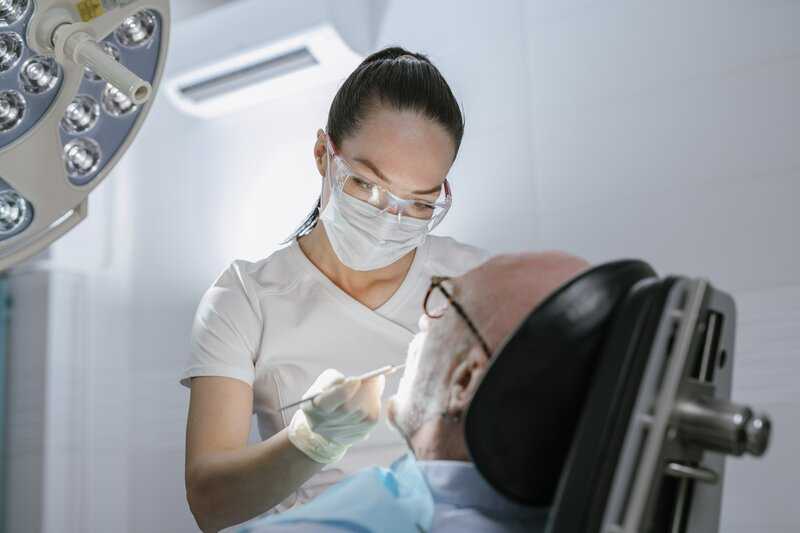
    Believe it or not, your dentist in Portland understands that a dental visit can be a stressful and anxiety-provoking experience for some patients. However, avoiding dental visits altogether can lead to more serious dental problems down the line. That’s why we offer techniques and strategies to help you manage dental anxiety and have a stress-free visit.

    Reduce Stress at Your Dental Visits

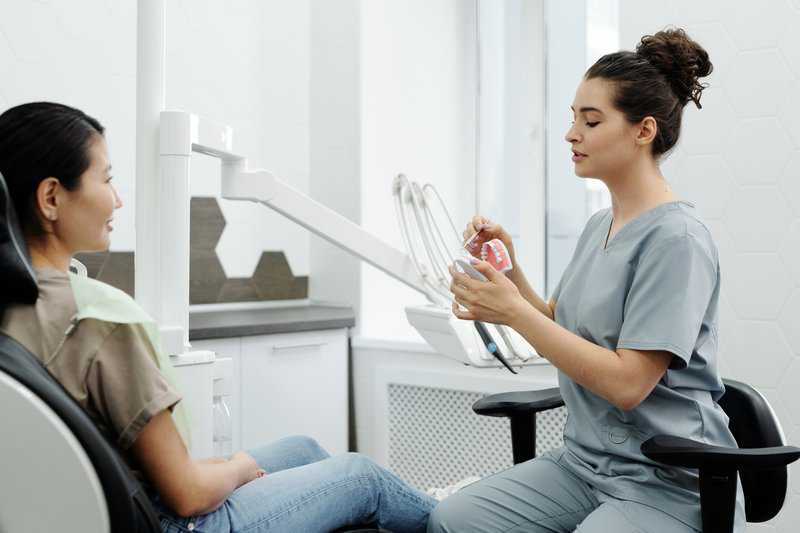
    • Communicate: One of the best ways to manage dental anxiety is to communicate your fears and concerns with your dentist in Portland. This will allow us to work together to create a plan to ensure you feel comfortable and informed throughout your visit.
    • Take Deep Breaths: Practicing deep breathing exercises before and during your dental visit can help calm your nerves and reduce stress. Take deep breaths in through your nose and out through your mouth, focusing on slow, even breaths.
    • Try a Distraction Technique: Distracting yourself during your dental visit can help take your mind off the procedure. You can listen to music, bring a stress ball or fidget spinner, or watch television during your appointment.
    • Visualize Something Positive: Visualizing a positive experience during your dental visit can help reduce anxiety. Imagine yourself in a calm and peaceful environment, and visualize the procedure going smoothly.
    • Ask About Sedation Dentistry: For patients with severe dental anxiety, sedation dentistry may be a good option. This involves the use of medication to help you relax and feel more comfortable during your dental visit.
    • Choose a Comfortable Environment: Choose a dental practice that makes you feel comfortable and safe. At our dental office in Portland, we strive to create a welcoming and friendly environment for all of our patients.
    • Bring a Supportive Person: Bringing a friend or family member with you to your dental visit can provide emotional support and help you feel more at ease.
    • Schedule a Consultation: If you’re feeling particularly anxious about a dental procedure, consider scheduling a consultation with your dentist beforehand. This will give you the opportunity to discuss your concerns and ask any questions you may have.

    Know that your dentist and entire dental team are committed to helping our patients manage dental anxiety and have a stress-free visit. Our team is trained to work with anxious patients, and we will take the time to listen to your concerns and create a plan to ensure you feel comfortable and informed throughout your visit.

    If you’re struggling with dental anxiety, don’t let it prevent you from getting the dental care you need. Contact a dentist near you to schedule an appointment to learn more about techniques and strategies for managing dental anxiety. 

  • Can Too Much Sun Damage Teeth? 

    Can Too Much Sun Damage Teeth? 

    You hear it time and time again – from your doctor, the famous Mary Schmich, articles on the Internet, and yes, even from your dentist in Portland – wear sunscreen. This advice applies to both kids and adults, and it’s especially appropriate during National Sunscreen Day, celebrated every year on May 27th. 

    The Importance of Sun Protection

    We know it may seem odd to be taking sun-protection advice from a dentist, but trust us, we have a point. But first, let’s get down to the basics. According to the Centers for Disease Control and Prevention, an estimated 4.3 million people will be treated for two of the most common types of skin cancer – basal cell carcinoma and squamous cell carcinoma – every year. These types of skin cancers, among others, are caused by too much exposure to UV (ultraviolet) light, such as those emitted by the sun and tanning beds. This makes the usage of sunscreen incredibly important, and not just for those soaking up the sun in tanning beds or laying out getting a tan. In fact, everyone is susceptible to skin cancer, including those who don’t purposely spend time in the sun. The Skin Cancer Foundation recommends using SPF 15 daily, even for those who don’t spend a lot of time outside, to reduce the risk of melanoma and squamous cell carcinoma. 

    How Does The Sun Affect Teeth? 

    The truth is, the sun can be both beneficial and detrimental to teeth. First up are the benefits. 

    Oral Health Benefits of The Sun

    Regular exposure to the sun will help the body produce an essential vitamin called vitamin D. Vitamin D is a necessary part of maintaining good oral health. But at the same time, you’ll hear your dentist in Portland put a lot of emphasis on getting enough calcium to support strong teeth and bones. While that’s true, the body also needs the help of vitamin D in order to properly absorb calcium. In this sense, regular sun exposure could be good for oral and overall health. Afterall, if we don’t get enough vitamin D, which may be called a vitamin D deficiency, our teeth will not be able to absorb enough calcium. This could increase the risk of cavities as well as gum disease.

    Negative Oral Health Side Effects of Too Much Sun

    We all know that the skin can burn quite easily if exposed to too much sun. This can also increase the risk of developing skin cancer later in life. However, oral health can also be affected by getting too much sun. When many people think of oral health, they immediately think of the teeth. And while it’s highly unlikely to get sunburn in the teeth, it’s still possible. But what’s more concerning, and way more likely, is getting a sunburn on the lips. This often-forgotten body part can actually be damaged by too much sun and can be the originating spot of skin cancer. When you apply sunscreen, don’t forget the lips. In fact, use a product designed to protect lips from harmful UV rays with at least an SPF 15. 

    As we enter these warmer summer days, we encourage you to get outside. But make sure to use sun protection on all parts of your body, including the lips. And as always, don’t let summer nights take away from a good oral hygiene routine. It’s still important to brush and floss every day and see your dentist in Portland twice a year. Call us today to schedule an appointment. 

  • Could Allergies Make My Teeth Sore? 

    Could Allergies Make My Teeth Sore? 

    Spring has officially sprung, and there’s a lot to be thankful for. From the blooming flowers to the smell of fresh-cut grass, spring is the season of new beginnings. But it’s also the season of allergies, which means itchy eyes and stuffy noses. While spring can be a happy time, for allergy sufferers, it can be annoying. Plus, allergies can also cause problems for your oral health and require a visit to your dentist in Portland. 

    Tooth Pain

    Typically any sign of tooth pain should be a warning sign that it’s time to schedule a dental appointment. But during allergy season, it is possible that an allergy flare-up could cause tooth pain. How is this true? Well, thanks to the congestion that often goes hand in hand with allergies, the maxillary sinuses are full of pressure. This is what causes that stuffed-up, sometimes painful, feeling in the nose and areas of the face, including the molars. The roots and nerves of our back molars are located close to the maxillary sinuses, so when the sinuses are inflamed with too much pressure, we may be able to feel the result in our teeth. Either way, it’s always best to see your dentist in Portland if you’re experiencing any tooth pain. 

    The Problem with Stuffy Noses 

    In addition to tooth pain, there could be other unwanted oral side effects of allergies. Let’s start with one of the telltale signs of allergies – a stuffy nose. Our noses get stuffed up when our bodies produce too much mucus. Mucus is normal and necessary, but too much of it can block the nasal airways and make it difficult to breathe through the nose. Since we need oxygen, our bodies will automatically switch to breathing out of the mouth. Now, this may seem like no big deal, but your dentist in Portland knows just how much this can affect your oral health. 

    • How Mouth Breathing Affects Oral Health

    We all need to breathe, so if your nose is stuffed up and you need to breathe out of your mouth, that’s ok. The problem with mouth breathing is when it’s done over a long period of time. Introducing the amount of air into the mouth during mouth breathing will quickly dry out salivary glands and make your mouth feel uncomfortably dry. A healthy mouth will produce saliva to rinse away bacteria and neutralize acids. Without it, cavities, bad breath, and even gum disease can thrive. 

    How to Treat Your Allergies

    We understand the need to get relief during allergy season to stop the stuffiness, itchiness, and potential tooth pain. It may take some trial and error to find the best regime for you. Keep in mind, some allergy medications can also cause dry mouth. If you find a medicine that works for you but your mouth feels dry, your dentist in Portland has some tips.

    • Drink plenty of water throughout the day
    • Use a humidifier in your home
    • Chew sugar-free gum
    • Use a lubricating mouthwash

    Despite any allergy side effects that you may be feeling, we hope that you’re able to get outside and enjoy the beauty (and hopefully weather) that spring has to offer. 

  • Can Stress Cause Oral Health Problems? 

    Can Stress Cause Oral Health Problems? 

    There are many things to feel stressed about, from taking care of work obligations to handling all the things that are happening in your personal life. While a certain amount of stress can actually be a good thing, too much of it can cause problems. In fact, excessive stress has been linked to heart disease, gastrointestinal problems, and obesity. But, not to stress you out even more, your dentist in Portland knows that too much stress can also affect your oral health. 

    Stress & Oral Health

    Many times, the effects of stress are simplified to include only things like increased anxiety levels, eating habits, headaches, and stomachaches. But it’s also common for signs of stress to first show up as symptoms that affect your oral health. In fact, stress can affect oral health in numerous ways. 

    • Jaw Pain

    While jaw pain could indicate a variety of problems, stress is often at the top of the list. When we’re stressed, especially over a long period of time, our bodies tend to react in a variety of ways. One of those ways is to start clenching or grinding our teeth together. Oftentimes this is done without us even knowing it’s happening, such as during sleep. This results in constant pressure on the jaw joint, making the muscles sore which could eventually cause TMJ disorder or TMD. TMD is painful, and some common signs are the popping or clicking of a jaw, a locked joint, or generalized jaw pain. If you have jaw pain that you can’t explain, talk to your dentist in Portland. 

    • Bleeding Gums

    Many people think that it’s normal for gums to bleed after brushing or flossing. However, bleeding gums at any time should be cause for concern. Bleeding gums is a tell-tale sign of gum disease, but there’s a common misconception related to gum disease. Many people think that gum disease is automatically a result of poor dental hygiene. But the truth is, several other things can increase the risk of gum disease, including smoking, certain medications, clenching or grinding your teeth, and yes, stress. When we experience too much stress, our immune system often becomes worn down. This can allow bad bacteria in the mouth to flourish, causing an infection and leading to gum disease. Gum disease can cause tooth loss, and heart disease, and increase the risk of stroke.

    • Mouth Sores

    Sores in the mouth, such as canker sores, can be triggered by a vitamin B deficiency or a variety of injuries or irritations. Research also supports the theory that mouth sores can appear during periods of increased stress. Mouth sores that should warrant a visit to your dentist in Portland include those that appear as white or red ulcers that last longer than two weeks. 

    Reducing Stress Can Benefit Oral Health

    We can’t completely avoid stress in our lives but can do things to manage stress in order to live happier lives and protect ourselves against the negative side effects of too much of it. Some ways to lower stress and therefore the effects of stress, include: 

    • Breathing Techniques. Sometimes, all we need to do is breathe. Deep breathing has been shown to reduce stress, lower your heart rate, and make you feel relaxed. Take a walk, try yoga, or find a breathing exercise online. 
    • Exercise. Exercise can do more than burn fat. In fact, exercising regularly will increase our brains’ “happy chemicals” of endorphins, serotonin, dopamine, and testosterone. These chemicals can help make us feel good and lower anxiety and stress. 
    • Sleep. Adults should get anywhere between 7 to 9 hours of sleep every night. However, many of us don’t. Focusing on getting a good night’s sleep can reboot your body and lower stress levels. 

    Stress is a natural part of life, and certain amounts of it can actually be beneficial. But too much can cause problems in oral and overall health. During this Stress Awareness Month, focus on your stress levels and how they may contribute to your overall health. 

  • World Oral Health Day – Be Proud Of Your Mouth

    World Oral Health Day – Be Proud Of Your Mouth

    World Oral Health Day is celebrated annually worldwide on March 20th. It’s coordinated by the FDI World Dental Federation, which is an organization that represents over a million dentists all around the globe. The main purpose of this event is to promote awareness about just how important oral health is to overall health, and your dentist in Portland is proud to join the movement. 

    World Oral Health Day 2023 

    The campaign theme for World Oral Health Day this year is to Be Proud of Your Mouth. According to the FDI, “we want people to value and take care of their oral health and to make the right decisions to protect it. In year one, we focused on how oral health affects our overall health. In 2022, we wanted to inspire action by highlighting how a healthy mouth is important for our happiness and well-being. In 2023, we will focus on the importance of caring for your mouth at every stage of life.”

    Oral Health & Overall Health

    More than 90% of the world’s population will suffer from some sort of oral health disease at some point in their lives. But many of these diseases could have been avoided by educating people on how important oral health is and encouraging early prevention and detection. Your dentist in Portland believes that early detection of dental disease and educating patients are two of the best ways to lower the number of oral health problems worldwide. But it’s not just about protecting oral health. The truth is, many whole-body diseases first show signs in the mouth, and oral health problems can directly affect the health of the rest of the body. For example, gum disease, which affects more than 1 billion people worldwide, can increase the risk of:

    • Cardiovascular disease
    • Respiratory problems
    • Cancer
    • Stroke

    Gum disease can be treated and cured successfully if it’s diagnosed in its early stages. However, if it’s not treated proactively, it can cause other health problems. 

    Signs of Gum Disease

    If you notice any of the following symptoms, we encourage you to see your dentist as soon as possible. 

    • Bad breath or bad taste that won’t go away
    • Red or swollen gums
    • Tender or bleeding gums
    • Pain while chewing
    • Loose teeth
    • Tooth sensitivity

    If you suspect that you may have gum disease, we encourage you to see your dentist in Portland as soon as possible.

    Be Proud Of Your Mouth, Protect Your Health

    Some of the best ways to protect your oral and overall health are to make sure you brush your teeth twice a day and floss once a day to remove bacteria and plaque from your teeth and gums. Also, see your dentist in Portland twice a year for regular cleanings and exams. If you’re looking for other ways to be proud to show off your teeth, consider talking to your dentist about cosmetic dentistry.

  • Colorectal Cancer Connected to Gum Disease

    Colorectal Cancer Connected to Gum Disease

    Mountains of research over the years have shown a strong link between gum disease and whole-body health, such as an increased risk for heart disease and stroke. But recent studies conducted by the American Academy for Cancer Research have now shown another scary connection – gum disease may increase the likelihood of developing colon cancer. During Colorectal Cancer Awareness Month, your dentist in Portland wants to raise awareness about how protecting your oral health can also help protect your overall health. 

    Research Links Gum Disease to Colon Cancer

    This study monitored the health of over 40,000 American men and women over the course of several decades. Researchers observed the health, diet, and colonoscopy results of the participants in order to determine if there was a potential link between gum disease and colon cancer. 

    During the study, scientists focused on two particular types of intestinal lesions that often precede colon cancer — serrated polyps and conventional adenomas — as well as participants’ history of gum disease. They found that those patients who had a history of gum disease also had: 

    • 17% increased risk of having a serrated polyp
    • 11% increased risk of having a conventional adenoma
    • 20% increased risk of having a serrated polyp if the participant had lost four or more teeth

    While the results did support the theory that gum disease could potentially lead to colon cancer, researchers say additional studies are needed to further back up these findings. 

    Signs of Gum Disease

    One of the trickier parts of gum disease is catching it early. After all, early diagnosis and treatment can make all the difference between reversing gum disease and it reaching the point where it can no longer be cured, increasing the chance for it to affect the rest of the body. Keep an eye out for some of the common signs of gum disease such as:

    • Chronic bad breath
    • Red, swollen gums
    • Gums that bleed
    • Loose teeth
    • Gum recession
    • Pain when chewing

    It’s important to call your dentist in Portland and schedule an appointment if you recognize any of these signs of gum disease. 

    Lower the Risk of Gum Disease

    Certain factors that can contribute to the development of gum disease are unavoidable, such as age and genetics. But other lifestyle habits that we can control can also increase the risk. Follow these tips from your dentist in Portland to reduce the likelihood of developing gum disease: 

    • Brush your teeth twice a day and floss once a day
    • Eat a well-balanced diet
    • Stop using tobacco products
    • Keep seeing your dentist for bi-annual checkups and cleanings

    Even though gum disease may seem minor, it’s not something to take lightly. Continue to monitor any changes in your mouth and see your dentist regularly in order to catch problems early, before they have a chance to become bigger concerns and cause health problems. 

  • 5 Tips to Help You Find The Best Dentist For Your Needs

    5 Tips to Help You Find The Best Dentist For Your Needs

    Finding the best dentist in Portland depends on what you’re looking for in a provider. The truth is, your dentist is a key part of your healthcare team and you need to feel comfortable, confident, and trust in their care. After all, you will be seeing them at least twice a year for preventive checkups and cleanings, so it’s important to find someone you like. Here are five tips to help you find the best dentist for your individual needs. 

    • Get Recommendations

    While you head online and search for “dentist near me,” one of the easiest ways to quickly narrow your search is to talk to those around you. Ask friends, family, neighbors, or coworkers about their dentists to easily generate a short list of choices. 

    • Read Reviews

    After you get a few recommendations, head online to read reviews of dentists in Portland. Online reviews are a great way to get an understanding of the general feelings about the level of dental care, personality of the team, and pros and cons. 

    • Check Out Their Work

    Patients who are particularly interested in advanced dental care such as cosmetic dentistry or dental implants should check out dentists’ previous work. Many dentists will feature before and after photos on their websites so you can get an idea of their level of care. 

    • Evaluate Their Services

    Some dental offices offer most services under one roof while others have a particular focus in specific areas. Depending on your individual needs, you will want to look into the types of services offered at different offices. Also consider their technology and how it can help make dental care easier. 

    • Check Them Out in Person

    The best way to get a feel for a dentist and their team is to visit them in person. An initial visit or consultation will give you a sense of the office environment and personality. While  patients may prioritize different things, it’s always important that you feel the office is clean and that you’re being listened to and respected. 

    While it may seem like a daunting task, taking some time to get to know your options when it comes to choosing the best dentist in Portland can benefit you in the long run. Start by making a list of the things that matter to you the most when it comes to selecting a dentist, then get to work researching dentists in your area. Keep in mind, the more comfortable you are with your dentist, the more likely you are to keep up with regular appointments. Seeing your dentist at least twice a year is crucial to maintaining good oral health and can keep dental problems away.