Category: General Dentistry

  • Fluoride Treatments in Portland: Do Adults and Kids Really Need Them?

    Fluoride Treatments in Portland: Do Adults and Kids Really Need Them?

    For something that has been used in dentistry for decades, fluoride still inspires plenty of questions. Is it only important for children? Do adults need professional fluoride treatments if they already use fluoride toothpaste? And is fluoride actually safe?

    At Burlingame Dental Arts, we believe patients deserve clear, straightforward answers about the care we recommend. Let’s take a closer look at how fluoride protects your teeth, who can benefit from professional treatments, and whether they may be worthwhile for you or your child.

    What Fluoride Does for Teeth

    Every day, the enamel protecting your teeth loses and regains minerals. Acids from bacteria, foods, and drinks can pull important minerals from the enamel, leaving it weaker and more vulnerable to cavities. Fluoride helps replace those minerals and strengthens the enamel through a process called remineralization.

    Fluoride can also make teeth more resistant to future acid attacks and may even help reverse the earliest stages of tooth decay before a cavity fully develops. Think of it as added reinforcement for the outer layer of your teeth—not a replacement for brushing, flossing, or regular dental visits, but another valuable form of protection.

    Who Benefits Most from Fluoride Treatments

    Children often benefit from fluoride treatments while their teeth are still developing and they are learning consistent brushing habits. Strengthening their enamel during these cavity-prone years can give their smiles an added layer of protection.

    Fluoride is not just for kids, however. Adults with sensitive teeth may find that it helps reinforce weakened enamel and reduce discomfort. We may also recommend professional fluoride treatments for patients who frequently develop cavities, have dry mouth, wear braces, experience gum recession, or take medications that increase their risk of tooth decay.

    Your dentist can evaluate your oral health, habits, and cavity risk to determine whether fluoride treatment would be helpful for you or your child.

    Fluoride Safety and Myths Explained

    It is understandable to have questions about any treatment used for you or your child. One common concern is whether fluoride is safe. When used in the appropriate amount, fluoride is considered a safe and effective way to help prevent tooth decay. Professional treatments are carefully measured and applied directly to the teeth under a dentist’s supervision.

    You may also have heard that fluoride is unnecessary if you brush regularly. Fluoride toothpaste is an important part of daily care, but professional treatments contain a higher concentration and provide additional protection for patients with a greater risk of cavities or enamel damage.

    As with many treatments, fluoride is not one-size-fits-all. Your dentist will consider your age, oral health, and individual risk factors before recommending it.

    FAQs About Fluoride

    Is Fluoride Safe for Children?

    Yes. Fluoride is safe for children when it is used in the correct amount. Professional treatments are carefully measured and applied by a dental provider based on your child’s age and oral health needs.

    Do Adults Still Need Fluoride?

    Many do. Adults who frequently develop cavities, have sensitive teeth, experience gum recession, or have dry mouth may benefit from additional fluoride protection. Your dentist can help determine whether it makes sense for you.

    Can Fluoride Reverse Cavities?

    Fluoride may help reverse tooth decay in its earliest stage by restoring minerals to weakened enamel. Once decay has created a physical hole in the tooth, however, fluoride cannot repair it, and the cavity will need dental treatment.

    Fluoride Treatments in Portland

    Fluoride treatment is a quick, simple way to give vulnerable teeth extra protection against decay. At Burlingame Dental Arts in Portland, we can evaluate your or your child’s cavity risk and recommend fluoride only when it offers a meaningful benefit.

    Wondering whether fluoride should be part of your family’s dental care? Contact our office today to schedule an appointment.

  • Dental Sealants for Kids and Adults in Portland: Are They Worth It?

    Dental Sealants for Kids and Adults in Portland: Are They Worth It?

    Even with careful brushing, the deep grooves in your back teeth can be difficult to keep completely clean. Food particles and cavity-causing bacteria can settle into these tiny spaces, where toothbrush bristles may not always reach.

    Dental sealants provide an extra layer of protection by covering those grooves with a thin, smooth coating. At Burlingame Dental Arts, we often describe sealants as a protective shield that helps keep food and bacteria away from cavity-prone areas. They are most commonly recommended for children, but some adults can benefit from them as well.

    What Dental Sealants Are and How They Work

    Dental sealants are thin, protective coatings applied to the chewing surfaces of the back teeth. Molars and premolars naturally have small pits and grooves that can trap food particles and bacteria, even when you brush carefully.

    A sealant flows into these hard-to-clean spaces and hardens to form a smooth protective barrier. By keeping cavity-causing bacteria and food debris out of the grooves, sealants can reduce the risk of tooth decay. They do not replace brushing, flossing, or routine dental visits, but they provide extra protection where teeth are often most vulnerable.

    Who Should Consider Dental Sealants

    Children are often good candidates for dental sealants as soon as their permanent molars come in, typically around ages six and twelve. Protecting these teeth early can help prevent cavities while children are still developing consistent brushing habits.

    Teenagers may also benefit, especially if their molars have deep grooves or they have a history of tooth decay. Although sealants are commonly associated with younger patients, cavity-prone adults can be candidates too. Adults with healthy molars that do not already have fillings or decay may benefit from added protection in difficult-to-clean areas.

    Your dentist can examine your teeth and recommend sealants based on your age, dental history, and individual cavity risk.

    How Long Dental Sealants Last

    Dental sealants can protect teeth for several years, but they may gradually wear down from everyday chewing. Their lifespan can vary depending on their placement, your bite, and habits such as grinding or clenching your teeth.

    During routine dental visits, your dentist will check the sealants for signs of wear, chipping, or separation from the tooth. If a sealant becomes damaged or worn, it can usually be repaired or replaced quickly. Regular checkups help ensure that sealants continue providing effective protection.

    FAQs About Dental Sealants

    Are Sealants Only for Children?

    No. Although sealants are most commonly recommended for children and teenagers, cavity-prone adults may benefit from them too. Your dentist can determine whether the chewing surfaces of your teeth are suitable for sealants.

    Do Sealants Replace Brushing?

    No. Sealants protect the grooves of the back teeth, but they do not cover every tooth surface. Brushing twice a day, flossing daily, and attending regular dental visits are still essential for preventing cavities and maintaining a healthy smile.

    Can Sealants Fall Off?

    Sealants can occasionally chip, wear down, or come loose, particularly after years of chewing. Your dentist will monitor them during routine checkups and can repair or replace a damaged sealant when necessary.

    Prevent Cavities with Dental Sealants in Portland

    Dental sealants offer a simple, comfortable way to protect cavity-prone teeth. At Burlingame Dental Arts in Portland, we can evaluate your or your child’s smile and determine whether sealants would provide worthwhile protection.

    Contact our office today to schedule an appointment and learn how dental sealants can help keep your family’s smiles healthy.

  • Why Regular Dental Visits Matter More Than You Think in Portland

    Why Regular Dental Visits Matter More Than You Think in Portland

    For many people, dental appointments feel easy to put off—especially if nothing hurts. It’s one of the most common things we hear at Burlingame Dental Arts: “My teeth feel fine, so I figured I didn’t need to come in yet.”

    The problem is that dental issues rarely begin with pain. Cavities, gum disease, cracked teeth, infections, and even bite problems often develop quietly over time. By the time discomfort appears, the issue is usually larger, more expensive, and more difficult to treat than it would have been earlier.

    Regular dental visits are about much more than simply “checking for cavities.” They give your dentist the opportunity to monitor changes in your oral health, catch small concerns before they become serious, and help protect your overall health in the process. Professional cleanings also remove buildup that brushing and flossing alone simply can’t fully address at home.

    At Burlingame Dental Arts, we believe preventive care should feel approachable, informative, and personalized—not judgmental or overwhelming. Whether it has been six months or several years since your last appointment, routine dental visits can play a much bigger role in your long-term health and comfort than many people realize.

    Dental Problems That Often Start Without Pain

    One of the biggest misconceptions about dental health is that pain is the first sign something is wrong. In reality, many dental problems begin quietly and progress slowly over time. By the time discomfort appears, the condition may already require more extensive treatment.

    That’s one reason regular exams at Burlingame Dental Arts are so important. Preventive visits allow us to identify subtle changes early—often before you would ever notice symptoms on your own.

    Early Cavities and Gum Disease

    Cavities do not usually start as painful toothaches. In the early stages, decay may only affect the outer enamel of the tooth, which has no nerves. A small cavity can continue growing for months without causing noticeable discomfort. Once the decay reaches deeper layers of the tooth, sensitivity and pain often follow.

    Gum disease develops similarly. Early gum inflammation, known as gingivitis, may cause mild redness or bleeding when brushing, but many patients ignore these signs because they are not painful. Left untreated, gum disease can progress deeper below the gumline and begin affecting the bone that supports the teeth.

    Routine cleanings and exams help catch these issues while they are still easier—and often less costly—to manage.

    Hairline Cracks and Bite Issues

    Not all dental damage is obvious. Tiny cracks in teeth can develop from clenching, grinding, chewing hard foods, or everyday wear over time. These hairline fractures may not hurt initially, but they can weaken the tooth and eventually lead to larger breaks, sensitivity, or infection.

    Bite problems can also develop gradually without clear symptoms at first. Uneven pressure on certain teeth may contribute to enamel wear, jaw tension, headaches, or cracking over time. Many patients in Portland are surprised to learn that recurring discomfort in the jaw or facial muscles may actually be connected to how their teeth come together.

    At Burlingame Dental Arts, regular evaluations allow us to identify these subtle concerns early and help protect your teeth from more significant problems later on.

    Long-Term Benefits of Routine Dental Care

    Routine dental care is not just about preventing emergencies—it’s about creating long-term stability for your health, comfort, and confidence. Consistent preventive care allows small issues to be managed early, helping patients avoid the cycle of “wait until it hurts” that often leads to more complicated treatment later.

    For many patients at Burlingame Dental Arts, regular visits provide peace of mind. There is comfort in knowing your teeth and gums are being monitored consistently, rather than wondering whether a hidden issue may be developing unnoticed.

    Preventive care also helps preserve the natural teeth for as long as possible. Professional cleanings, exams, and early intervention can reduce the risk of advanced decay, gum disease, tooth loss, and excessive wear over time. Maintaining a healthy, stable smile can make eating, speaking, and daily life feel easier and more comfortable as the years go on.

    There is also an important connection between oral health and overall health. Inflammation and infection in the mouth can affect the rest of the body, and research continues to show links between gum disease and conditions such as heart disease, diabetes, and other systemic health concerns. Keeping the mouth healthy is part of supporting the body as a whole.

    And beyond the physical benefits, routine dental care often impacts confidence more than people expect. When patients feel good about their smile and know their oral health is being cared for, they tend to smile more comfortably, speak more confidently, and feel less anxious about future dental visits.

    At Burlingame Dental Arts, we believe preventive dentistry is one of the most valuable investments patients in Portland can make in their long-term health and quality of life.

    FAQs About Routine Dental Visits

    What if I Haven’t Been to the Dentist in Years?

    You are not alone—and you should never feel embarrassed about coming back. Many patients delay dental visits for a variety of reasons, whether it’s anxiety, cost concerns, a busy schedule, or simply life getting in the way.

    At Burlingame Dental Arts, our goal is not to judge you. Our focus is on helping you move forward comfortably and confidently from wherever you are now. We understand that returning after a long time away can feel intimidating, which is why we take the time to listen, answer questions, and create a plan that feels manageable for you.

    The important thing is taking the first step back toward caring for your health.

    Are Dental Visits Really Necessary if I Feel Fine?

    Yes—because many dental problems develop silently long before symptoms appear. Cavities, gum disease, infections, and even cracked teeth can progress without causing pain in the beginning.

    Preventive visits allow your dentist to identify concerns early, when treatment is typically simpler, less invasive, and less expensive. Professional cleanings also remove hardened plaque and tartar that cannot be fully removed with brushing and flossing alone.

    Think of routine dental care as maintenance rather than repair. The goal is to prevent problems whenever possible instead of waiting until discomfort forces treatment.

    How Often Should Adults See the Dentist?

    For most adults, visiting the dentist every six months is a good general guideline for cleanings and exams. However, dental care is never one-size-fits-all.

    Some patients may benefit from more frequent visits depending on factors like gum disease, a history of cavities, medical conditions, teeth grinding, or ongoing dental treatment. Others with very stable oral health may have different recommendations based on their individual needs.

    At Burlingame Dental Arts, we personalize recommendations based on your oral health, risk factors, and goals so patients in Portland receive care that makes sense for them—not just a standard schedule.

    Maintain Your Oral Health in Portland

    Your oral health plays a bigger role in your daily comfort, confidence, and overall wellness than many people realize. Regular dental visits help protect your smile from problems that can quietly develop over time, while also giving you the support and guidance needed to maintain healthy teeth and gums for years to come.

    Whether you are staying consistent with preventive care or returning after time away, the team at Burlingame Dental Arts is here to help you feel comfortable, informed, and cared for every step of the way.

    If you are looking for a trusted dental office in Portland, schedule your next visit with Burlingame Dental Arts, and take an important step toward protecting your long-term oral health.

  • Plaque vs Tartar: What Portland Dentists Want You to Know

    Plaque vs Tartar: What Portland Dentists Want You to Know

    Plaque and tartar are two of the most common terms you’ll hear at the dentist—but they’re also two of the most misunderstood. Many patients use them interchangeably, assuming they’re the same thing. In reality, they’re closely related, but very different in how they form, how they affect your teeth, and how they’re treated.

    At Burlingame Dental Arts, we often see this confusion during routine visits. Understanding the difference between plaque and tartar can make a big impact on how you care for your teeth at home—and why certain in-office treatments are necessary.

    It’s a small distinction, but one that plays a big role in preventing cavities, gum disease, and more complex dental issues over time.

    What Plaque Is and How It Forms

    Plaque is a soft, sticky film that constantly forms on your teeth throughout the day. It’s made up of bacteria, food particles, and saliva, and it tends to build up in areas that are harder to clean—like along the gumline and between teeth.

    The important thing to know is that plaque is always forming. Even shortly after brushing, it begins to rebuild. That’s why daily habits like brushing and flossing are so important—they help disrupt this layer before it has a chance to cause problems.

    At Burlingame Dental Arts, we focus on helping patients understand plaque in a simple, practical way so it’s easier to manage at home.

    How plaque develops throughout the day

    Plaque starts forming within hours after you brush your teeth. As you eat and drink, especially foods containing sugars or carbohydrates, bacteria in your mouth feed on those particles and produce acids.

    These bacteria multiply quickly, creating that sticky film on the surface of your teeth. Without regular brushing and flossing, plaque continues to thicken and spread, particularly in areas that are easy to miss.

    That’s why consistency matters more than perfection—removing plaque regularly keeps it from building up into something more harmful.

    Why plaque leads to cavities and gum disease

    Plaque itself isn’t just harmless buildup—it’s active. The bacteria within plaque produce acids that weaken tooth enamel, which can eventually lead to cavities.

    Along the gumline, plaque can irritate the surrounding tissue, causing inflammation. This is the early stage of gum disease, often called gingivitis. If not addressed, it can progress into more advanced periodontal issues that affect the bone supporting your teeth.

    The good news is that plaque is manageable. With proper daily care and routine visits to Burlingame Dental Arts in Portland, it can be removed before it has the chance to cause lasting damage.

    What Tartar Is and Why It’s Harder to Remove

    Tartar—also called calculus—is what happens when plaque is left on the teeth long enough to harden. Minerals in your saliva bond with that sticky film, turning it into a rough, solid deposit that attaches firmly to the surface of your teeth, especially along the gumline.

    Unlike plaque, which is soft and removable with daily brushing and flossing, tartar creates a more permanent buildup. Its rough texture also makes it easier for new plaque to stick, which can accelerate the cycle if it’s not addressed.

    At Burlingame Dental Arts, this is one of the key reasons we emphasize routine professional cleanings—once tartar forms, it requires specialized tools to remove safely.

    Why tartar can’t be removed at home

    Once plaque hardens into tartar, it bonds tightly to the tooth surface. Standard brushing and flossing simply aren’t enough to break it apart. In fact, trying to remove it yourself can risk damaging your enamel or irritating your gums.

    Dental professionals use specific instruments designed to gently and effectively remove tartar without harming the surrounding structures. This process, often called scaling, is a routine part of professional cleanings and helps restore a smooth surface to the teeth.

    How tartar affects gum health

    Tartar buildup creates a perfect environment for bacteria to thrive, especially along and below the gumline. As it accumulates, it can irritate the gums, leading to redness, swelling, and bleeding—early signs of gum disease.

    If left untreated, tartar can contribute to the progression of periodontal disease, where the gums begin to pull away from the teeth and the supporting bone may be affected.

    At Burlingame Dental Arts in Portland, removing tartar isn’t just about keeping your teeth clean—it’s about protecting the health of your gums and maintaining the foundation of your smile over time.

    FAQs About Plaque and Tartar

    Can mouthwash remove tartar?

    No—mouthwash can help reduce bacteria and freshen your breath, but it can’t remove tartar once it’s formed. Because tartar is hardened plaque, it’s firmly attached to the tooth surface and requires professional tools to safely remove.

    That said, mouthwash can still play a helpful role as part of your daily routine. It supports your brushing and flossing by reaching areas that are harder to clean, helping to slow plaque buildup before it has a chance to harden.

    At Burlingame Dental Arts, routine professional cleanings are what actually remove tartar and reset your oral health so you can maintain it at home.

    Does tartar cause bad breath?

    Yes, it can. Tartar provides a rough surface where bacteria can accumulate and thrive, especially along the gumline. These bacteria produce sulfur compounds, which are a common cause of persistent bad breath.

    Even with good brushing habits, tartar buildup can make it harder to fully eliminate odor-causing bacteria. That’s why professional cleanings are so important—not just for appearance, but for overall freshness and oral health.

    How fast does tartar build up?

    It varies from person to person. For some, tartar can begin forming within a few days if plaque isn’t consistently removed. Others may experience slower buildup depending on factors like saliva composition, diet, oral hygiene habits, and genetics.

    Because it’s not always predictable, regular dental visits are key. At Burlingame Dental Arts in Portland, we monitor how quickly buildup occurs for each patient and adjust recommendations accordingly, helping you stay ahead of it with a plan that fits your needs.

    Professional Plaque and Tartar Removal in Portland

    Even with great at-home care, plaque can build up in hard-to-reach areas—and once it hardens into tartar, it needs to be removed professionally. That’s where routine dental visits make all the difference.

    At Burlingame Dental Arts, we use specialized tools to gently remove plaque and tartar, especially along the gumline and between teeth where buildup tends to collect. These visits also give us the chance to evaluate your oral health and catch any early changes before they become bigger concerns.

    If it’s been a while since your last cleaning, you’re not alone—and you’re always welcome here. Schedule your visit today and let’s get your smile back to a clean, healthy baseline.

  • Preventive Dentistry in Portland: How to Avoid Bigger Dental Problems

    Preventive Dentistry in Portland: How to Avoid Bigger Dental Problems

    For many people, dental care becomes a priority only when something feels off—a little sensitivity, a sharp pain, or a concern that just won’t go away. But what if most of those problems could be avoided altogether?

    At Burlingame Dental Arts, we approach dentistry a little differently. Preventive care isn’t about reacting to issues—it’s about staying ahead of them. With the right habits, regular visits, and a personalized approach, it’s often possible to stop small concerns before they turn into bigger, more complex problems.

    It’s a simple shift in mindset, but it can make a lasting difference in your comfort, your health, and your long-term dental experience.

    What Preventive Dentistry Really Means

    Preventive dentistry is often simplified to “routine cleanings,” but it’s much more intentional than that. At its core, prevention is the combination of early detection and consistent, personalized care. It’s about identifying subtle changes before they become problems—and supporting your oral health in a way that keeps everything stable over time.

    At Burlingame Dental Arts, preventive care is never one-size-fits-all. It’s built around your specific needs, your health history, and what we see during each visit. That way, we’re not just maintaining your smile—we’re actively protecting it.

    How preventive care stops small issues from becoming major treatments

    Most dental problems don’t happen overnight. Cavities begin as small areas of weakened enamel. Gum disease often starts with mild inflammation that can go unnoticed. Even issues like grinding or bite imbalance tend to develop gradually.

    The benefit of preventive care is catching these early stages—when treatment is simpler, more comfortable, and far less invasive. A small cavity can be treated with a straightforward filling instead of a crown. Early gum inflammation can often be reversed before it progresses into more serious periodontal disease.

    With regular checkups and professional cleanings, we’re able to monitor these changes closely and step in at the right time. It’s a proactive approach that helps you avoid more complex procedures and keeps your dental care predictable and manageable.

    Why prevention protects both oral and overall health

    Your oral health is closely connected to your overall health, often in ways that aren’t immediately obvious. Conditions like gum disease have been linked to systemic concerns such as heart disease, diabetes, and chronic inflammation throughout the body.

    Preventive dentistry helps reduce these risks by keeping your mouth healthy and free from ongoing infection or inflammation. When your gums are healthy and your teeth are well cared for, it supports better overall wellness—not just a healthier smile.

    At Burlingame Dental Arts in Portland, we take this connection seriously. Prevention isn’t just about avoiding dental procedures—it’s about supporting your long-term health in a way that feels manageable, thoughtful, and tailored to you.

    Common Preventive Dental Services

    Preventive dentistry is built on a series of consistent, low-intervention services that work together to keep your teeth and gums healthy over time. These visits aren’t just about maintaining a clean smile—they’re about creating a clear picture of your oral health and catching subtle changes early.

    At Burlingame Dental Arts, these services are approached thoughtfully and tailored to each patient, so your care always reflects what you actually need—not a standard checklist.

    Cleanings, exams, fluoride, and sealants

    Routine cleanings and exams form the foundation of preventive care. Professional cleanings remove plaque and tartar buildup that can’t be addressed with brushing and flossing alone, especially in hard-to-reach areas. These visits also give us the opportunity to evaluate your teeth, gums, and overall oral health in a detailed, consistent way.

    Fluoride treatments are sometimes recommended to strengthen enamel and make teeth more resistant to decay, particularly for patients who may be at a higher risk for cavities. Sealants, often used for children and teens but beneficial for some adults as well, provide a protective barrier over the chewing surfaces of molars—an area where cavities commonly develop.

    Each of these services plays a small but important role in reducing risk and maintaining long-term stability.

    Monitoring changes over time

    One of the most valuable aspects of preventive dentistry is the ability to track changes over time. Your oral health isn’t static—it evolves, sometimes gradually and sometimes in response to lifestyle, stress, or overall health.

    By seeing you regularly, we’re able to notice patterns and shifts that might otherwise go undetected. This could be early signs of enamel wear, changes in gum health, minor movement in teeth, or the beginning stages of decay.

    At Burlingame Dental Arts in Portland, this ongoing monitoring allows us to make informed, timely recommendations—often before you feel any symptoms at all. It’s a quieter part of dental care, but it’s one of the most effective ways to prevent small concerns from becoming bigger ones.

    FAQs About Preventive Dentistry

    Is preventive dentistry only for kids?

    It’s a common misconception, but preventive dentistry isn’t just for children—it’s important at every stage of life. While kids benefit from early habits, sealants, and guidance as their teeth develop, adults need ongoing care just as much.

    As we get older, new factors come into play—stress, diet, medications, wear and tear, and changes in gum health. Preventive care helps manage all of these, keeping small concerns from progressing and supporting long-term stability.

    At Burlingame Dental Arts, we see prevention as a lifelong partnership. Whether you’re maintaining a healthy smile or addressing subtle changes over time, consistent care makes a meaningful difference.

    Can preventive care really reduce dental emergencies?

    In many cases, yes. While not every emergency can be avoided, preventive care significantly lowers the risk of sudden, painful issues.

    Most dental emergencies—like severe toothaches, infections, or broken teeth—are often the result of underlying problems that developed gradually. A cavity that goes unnoticed can deepen. Gum inflammation can progress. Small cracks can worsen under pressure.

    With regular exams and cleanings, these issues are more likely to be caught early, when they’re easier to manage. That means fewer surprises, less discomfort, and a much lower chance of needing urgent treatment.

    How early can problems be detected?

    Earlier than most people expect. Modern dental exams are designed to identify issues in their earliest stages—often before you feel anything at all.

    Visual exams allow us to assess the health of your teeth and gums, while digital X-rays help us see what’s happening beneath the surface, including between teeth and below the gumline. This combination makes it possible to detect small areas of decay, early bone changes, or developing concerns that wouldn’t otherwise be visible.

    At Burlingame Dental Arts in Portland, early detection is a key part of how we approach care. The sooner something is identified, the more options you have—and the simpler treatment tends to be.

    Start Preventive Dental Care in Portland

    Taking a preventive approach to your dental care doesn’t require a big change—it just starts with consistency and the right support. Whether it’s been six months or a few years since your last visit, the first step is simply getting a clear understanding of where your oral health stands today.

    At Burlingame Dental Arts, we take the time to listen, evaluate, and build a care plan that feels manageable and personalized to you. No pressure, no judgment—just thoughtful guidance focused on helping you avoid bigger problems down the road.

    If you’re ready to take a more proactive approach to your dental health, we’re here when you need us. Schedule your next visit and let’s keep your smile on the right track.

  • What Happens During a Dental Exam in Portland? A Step-by-Step Guide

    What Happens During a Dental Exam in Portland? A Step-by-Step Guide

    For many people, the uncertainty of a dental visit can cause unnecessary anxiety. Not knowing exactly what will happen during an exam can make the experience feel more intimidating than it actually is. In reality, a routine dental exam is a straightforward and comfortable process designed to protect your oral health and catch small issues before they become bigger concerns.

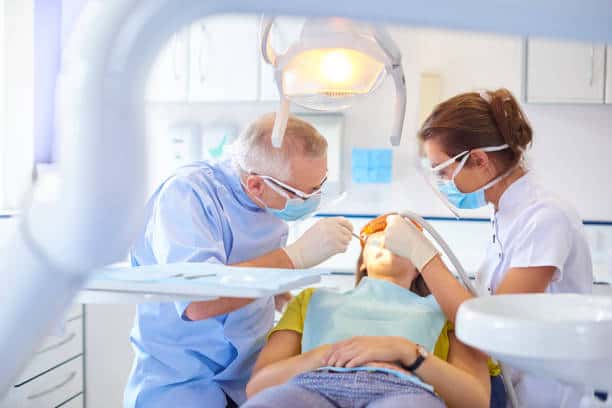
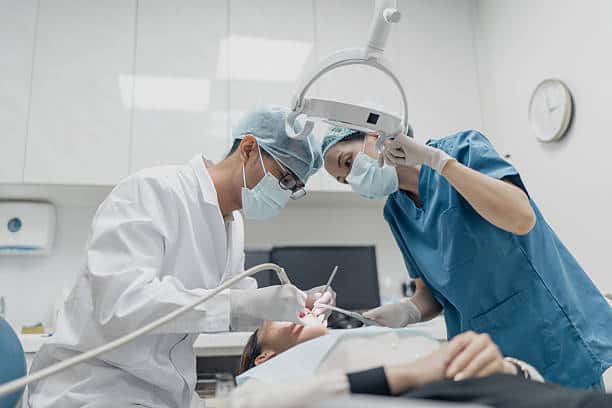
    During a typical visit at Burlingame Dental Arts in Portland, your dentist and hygiene team will carefully examine your teeth, gums, and overall oral health. These visits are about more than just checking for cavities—they’re an opportunity to monitor changes, answer your questions, and make sure your smile stays healthy.

    Understanding what happens during a dental exam can help make your next appointment feel much more relaxed and predictable. In this guide, we’ll walk through each step so you know exactly what to expect when you visit Burlingame Dental Arts in Portland.

    What Dentists Look for During a Routine Exam

    A dental exam involves much more than simply checking for cavities. Your dentist is evaluating the overall health of your teeth, gums, and the way your bite functions together. These routine exams help identify early signs of dental concerns so they can be addressed before they become more complex.

    During your visit to Burlingame Dental Arts in Portland, your dentist takes a comprehensive approach, examining multiple aspects of your oral health to ensure everything is functioning the way it should. This careful evaluation allows the team to catch small changes early and help you maintain a healthy, comfortable smile.

    How Dentists Check for Cavities and Decay

    One of the primary goals of a dental exam is identifying early signs of tooth decay. Cavities often begin as small areas where bacteria and plaque weaken the enamel, the protective outer layer of the tooth.

    During the exam, your dentist carefully inspects each tooth using specialized dental instruments and lighting. They may also review dental X-rays when needed, which help reveal areas between teeth or beneath existing restorations where decay may not be visible during a visual exam. At Burlingame Dental Arts in Portland, this thorough evaluation helps detect problems early, when treatment is typically simpler and more comfortable.

    Why Gum Health and Bite Alignment Matter

    Healthy gums play a major role in supporting your teeth. During a dental exam, your dentist checks for signs of gum inflammation, bleeding, or early stages of gum disease. Catching these signs early helps prevent more advanced gum concerns that could affect the stability of your teeth over time.

    Your dentist will also evaluate how your teeth fit together when you bite and chew. Bite alignment can affect everything from tooth wear to jaw comfort. If your bite is uneven, it may lead to excessive pressure on certain teeth or contribute to jaw tension. By evaluating both gum health and bite alignment during routine visits, the team at Burlingame Dental Arts in Portland can help ensure that your smile stays healthy and balanced.

    X-Rays and Oral Cancer Screenings Explained

    A dental exam looks at much more than the surfaces of your teeth. Some dental concerns develop below the gums or in areas that can’t be seen during a visual exam alone. That’s why dentists use additional tools, like dental X-rays and oral cancer screenings, to gain a more complete picture of your oral health.

    At Burlingame Dental Arts in Portland, these evaluations are an important part of preventive care. They allow the dental team to identify concerns early and help ensure that both your oral health and overall wellness are carefully monitored.

    When Dental X-Rays Are Needed

    Dental X-rays help your dentist see areas that aren’t visible during a standard exam. They can reveal issues such as decay between teeth, infections near the roots, bone loss, or problems developing beneath the gumline.

    Not every visit requires X-rays. Your dentist will recommend them based on your oral health history, risk for cavities, and how long it has been since your last imaging. At Burlingame Dental Arts in Portland, X-rays are used thoughtfully to gather the information needed to keep your teeth and surrounding structures healthy.

    Why Oral Cancer Screenings Are Part of Preventive Care

    An oral cancer screening is a quick but important part of a routine dental exam. During this screening, your dentist checks the soft tissues of your mouth, including your tongue, cheeks, gums, and throat, for any unusual changes.

    Most of the time, everything appears completely normal. However, routine screenings help dentists identify early signs of potential concerns that may need further evaluation. Detecting changes early is key to addressing issues before they progress.

    At Burlingame Dental Arts in Portland, oral cancer screenings are included as part of comprehensive preventive care, helping ensure that your entire oral health—not just your teeth—is carefully monitored during every exam.

    FAQs About Dental Exams

    How Long Does a Dental Exam Take?

    A routine dental exam is typically quick and efficient. In most cases, the exam portion of your appointment takes about 10 to 20 minutes. If your visit also includes a professional cleaning, the entire appointment may take around 45 minutes to an hour.

    During this time, your dentist carefully evaluates your teeth, gums, bite, and overall oral health. At Burlingame Dental Arts in Portland, the goal is to be thorough while also respecting your time, making sure you receive a complete evaluation without feeling rushed.

    Are Dental X-Rays Safe?

    Yes, dental X-rays are considered very safe. Modern dental imaging technology uses extremely low levels of radiation, and digital X-rays further reduce exposure compared to older methods.

    Your dentist will only recommend X-rays when they provide useful information about your oral health. Protective measures are also used during imaging to ensure safety and comfort. At Burlingame Dental Arts in Portland, dental X-rays are used carefully to help identify concerns that may not be visible during a regular exam.

    Do I Need an Exam If Nothing Hurts?

    Yes. Many dental concerns develop gradually and may not cause pain in their early stages. Cavities, gum disease, and other issues can progress quietly before symptoms appear.

    Routine dental exams allow your dentist to identify small changes early, when treatment is usually simpler and more manageable. At Burlingame Dental Arts in Portland, preventive exams are designed to help patients stay ahead of dental problems and maintain healthy smiles for the long term.

    Book a Dental Exam in Portland

    Routine dental exams are an important part of keeping your teeth and gums healthy. These visits allow your dentist to monitor changes, identify concerns early, and help you maintain a strong, comfortable smile over time.

    At Burlingame Dental Arts in Portland, our team takes a thoughtful and personalized approach to preventive care. During your exam, we’ll carefully evaluate your oral health, answer your questions, and recommend next steps that support your long-term wellness.

    If it’s time for your next checkup—or if it’s been a while since your last visit—schedule an appointment with Burlingame Dental Arts in Portland today. Our team looks forward to welcoming you and helping you keep your smile healthy for years to come.

  • Dental Implants vs. Dentures in Portland: Which Is the Better Long-Term Value?

    Dental Implants vs. Dentures in Portland: Which Is the Better Long-Term Value?

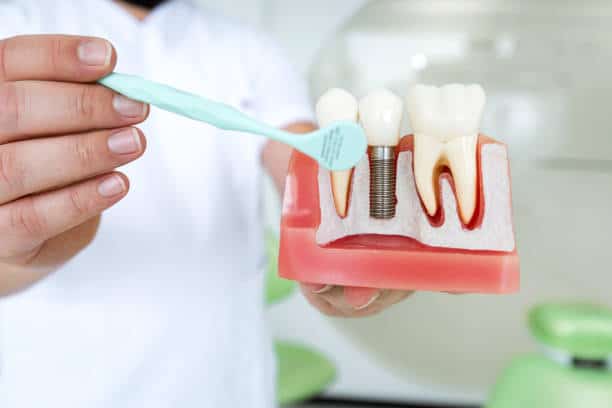
    When it comes to replacing missing teeth, two of the most common options patients consider are dental implants vs dentures in Portland. Both restore your ability to smile and eat comfortably—but they differ significantly in longevity, comfort, and long-term value.

    At Burlingame Dental Arts, we understand how important it is to make an informed decision about your smile. This guide offers a side-by-side comparison to help you clearly see the pros, cons, and long-term benefits of each option—so you can choose the treatment that best fits your goals, lifestyle, and budget.

    Cost Comparison of Implants vs. Dentures in Portland

    When choosing between dental implants and dentures, cost is often one of the biggest deciding factors. Dentures may seem more affordable upfront, but dental implants typically deliver a better long-term value.

    In the Portland area, traditional dentures can range from $1,000 to $3,000 per arch, depending on materials and customization. They’re a more budget-friendly short-term option, but they usually need replacement every 5 to 8 years. Over time, those replacement and maintenance costs can add up.

    By comparison, dental implants generally cost between $3,000 and $6,000 per tooth—a higher initial investment, but one that’s designed to last decades. Because implants fuse with the jawbone, they help prevent bone loss and preserve facial structure, often saving patients from additional restorative work later in life.

    At Burlingame Dental Arts, we often remind patients that implants are a lifetime investment—not just in your smile, but in your long-term health and confidence. Our team will walk you through each option’s true cost over time, so you can make the choice that best fits your goals and budget.

    Disclaimer: Dental implant and denture pricing can vary based on individual treatment needs, materials, and insurance coverage. The estimates provided here are general ranges and may differ depending on your personalized treatment plan.

    Comfort and Everyday Function in Portland

    Beyond cost, one of the biggest differences between dental implants vs dentures in Portland lies in how they feel and function day to day. Comfort, stability, and confidence all play a major role in your quality of life—and that’s where dental implants truly stand out.

    Dental implants are anchored securely in the jawbone, creating the same kind of stability as natural tooth roots. They don’t slip or shift, which means you can eat, laugh, and speak freely without worry. Over time, most patients completely forget they even have implants—they simply feel like their own teeth.

    Dentures, on the other hand, rest on top of the gums and rely on suction or adhesive for support. Even well-fitted dentures can occasionally move when you chew or speak, which may take some getting used to. Regular adjustments are often needed to maintain comfort and function as your jaw shape changes over time.

    Do implants feel like natural teeth in Portland?

    Yes—dental implants look, feel, and function almost exactly like natural teeth. Because they’re anchored directly into your bone, they provide unmatched stability and bite strength. At Burlingame Dental Arts in Portland, our patients often say they can’t tell the difference between their implants and natural teeth once healing is complete.

    Do dentures affect speech or eating comfort?

    They can, especially at first. Dentures can sometimes make it harder to pronounce certain words or enjoy tougher foods like apples, steak, or crusty bread. With time and adjustments, most patients adapt—but dentures rarely restore full chewing power.

    Dental implants, by comparison, restore about 90–100% of natural bite force, allowing you to enjoy your favorite foods with confidence. If comfort, function, and stability are top priorities, implants are often the preferred long-term solution.

    Maintenance and Longevity for Portland Patients

    When comparing dental implants vs. dentures, it’s important to consider not just how they look and feel now—but how well they’ll hold up over time. For patients in Portland, understanding the maintenance and longevity of each option helps you plan for lasting comfort and value.

    Dental Implants: Built to Last

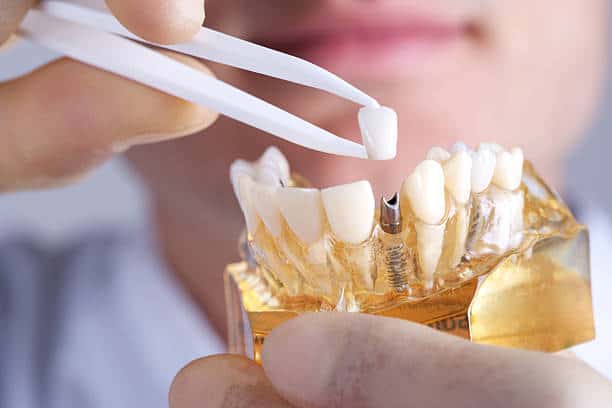
    With proper care, dental implants can last decades—and often a lifetime. They’re cared for just like natural teeth: daily brushing and flossing, along with regular professional cleanings at Burlingame Dental Arts. Because implants are made of durable materials such as titanium and porcelain, they don’t decay or require periodic relining.

    While the crown (the visible part) may eventually need replacement after 10–15 years due to normal wear, the implant itself can remain securely in place for life with good oral hygiene and routine checkups.

    Dentures: Regular Maintenance Required

    Dentures, in contrast, typically need to be replaced or relined every 5 to 8 years. The fit may loosen over time as your jawbone naturally changes shape, leading to discomfort or slippage. Daily cleaning and soaking are essential to prevent staining, odors, and bacterial buildup.

    Even with consistent maintenance, dentures generally have a shorter lifespan and require more frequent adjustments and repairs than implants.

    At Burlingame Dental Arts in Portland, we’ll guide you through proper care for whichever solution you choose—and help ensure your restoration stays comfortable, functional, and beautiful for years to come.

    Health and Aesthetic Differences in Portland

    When deciding between dental implants and dentures, it’s important to think beyond replacement and consider how each option affects your overall health and appearance. At Burlingame Dental Arts in Portland, we want patients to feel confident in both the function and the look of their smile for years to come.

    Bone Health and Jaw Support

    One of the biggest differences between implants and dentures is how they interact with your jawbone. Dental implants help preserve bone density by stimulating the jaw just like a natural tooth root. This prevents the bone from shrinking over time and helps maintain your facial structure.

    Dentures, on the other hand, rest on top of the gums without that bone stimulation. Over the years, this can lead to bone loss and subtle changes in your facial appearance—such as a sunken or aged look around the mouth and jawline.

    Facial Support and Aesthetics

    Because implants integrate with the bone, they provide a stable foundation that supports your natural facial contours. The result is a fuller, more youthful appearance and a balanced profile. Dentures can restore your smile’s appearance too, but as the jaw changes, they may eventually need relining or replacement to maintain fit and facial support.

    Smile Confidence

    For many patients, the biggest benefit of dental implants is the confidence that comes from a natural-looking, worry-free smile. Implants look and feel completely authentic—no slipping, clicking, or adhesives required. Dentures can still provide a beautiful result, but they may require a period of adjustment and careful maintenance to keep them looking and feeling their best.

    At Burlingame Dental Arts, our Portland team helps patients choose the option that best supports both their health and their confidence—because your smile should look as strong as it feels.

    FAQs About Implants vs. Dentures in Portland

    Are implants always better than dentures?

    Not necessarily—the best option depends on your individual needs and goals. Dental implants offer superior stability, comfort, and long-term bone preservation, but they also require healthy gums and sufficient bone for placement.

    Dentures remain a reliable and cost-effective solution for patients who may not be candidates for implants due to bone loss, medical conditions, or budget limitations. At Burlingame Dental Arts in Portland, we’ll evaluate your oral health and help you decide which treatment aligns best with your lifestyle and priorities.

    How fast can dentures be made compared to implants?

    Dentures can typically be made much faster than dental implants. In some cases, a full set of dentures can be completed within a few weeks, depending on the lab and the number of fittings required.

    Dental implants, on the other hand, are a multi-step process that can take several months from start to finish. This includes healing time for the implant to integrate with your bone before the final crown or restoration is attached. While implants take longer to complete, they offer unmatched durability and comfort once in place.

    When are dentures still a better choice in Portland?

    Dentures may be the better choice for patients who are missing multiple teeth and want a quicker, more affordable solution. They’re also ideal for those who may not have the bone density needed for implants or prefer a non-surgical approach.

    Compare Your Tooth Replacement Options in Portland

    Choosing between dental implants and dentures is a personal decision—one that depends on your goals, health, and budget. At Burlingame Dental Arts in Portland, our team is here to help you make that choice with confidence.

    We take the time to listen to your concerns, explain each option in detail, and create a treatment plan that supports your long-term comfort and oral health. Whether you’re leaning toward dental implants for lasting stability or dentures for quick, affordable restoration, we’ll guide you every step of the way.

    If you’re ready to explore your options and see which solution fits you best, schedule a consultation at Burlingame Dental Arts in Portland today. Together, we’ll restore your smile—and your confidence—with care that lasts.
  • Understanding Dental Implant Costs in Portland: Complete Guide

    Understanding Dental Implant Costs in Portland: Complete Guide

    When it comes to restoring your smile, dental implants are one of the best long-term investments you can make. But how much do dental implants cost in Portland—and what exactly influences the price? At Burlingame Dental Arts, we believe patients deserve transparency and confidence when making this important decision. In this guide, we’ll break down the factors that affect dental implant costs, share local price averages, and explain why implants are considered one of the most valuable solutions for your oral health and overall well-being.

    Average Dental Implant Costs in Portland

    If you’ve started researching dental implant costs in Portland, you’ve probably noticed a wide range of numbers—and that’s completely normal. The truth is, implant treatment is highly personalized, so prices can vary significantly based on your needs, the materials used, and the experience of your dental team.

    According to major dental insurers like Cigna and MetLife, the national average cost for a single dental implant typically starts around $3,000 and can reach up to $6,000 when factoring in all components—the implant post, abutment, and custom crown. For more complex cases involving multiple teeth or full-arch restorations, the investment may range anywhere from $20,000 to $60,000 or more.

    At Burlingame Dental Arts, most implant treatments fall within a similar range, depending on factors such as:

    • The number of implants being placed
    • Bone density and whether grafting is required
    • The type and quality of materials used
    • Any additional procedures (like extractions or sinus lifts)
    • The need for sedation or specialized technology

    While that range may sound broad, studies from the National Institutes of Health (NIH) confirm that dental implants often prove more cost-effective over time than other tooth replacement options. Their durability, bone preservation benefits, and natural feel make them a long-term investment in both your health and confidence.

    At Burlingame Dental Arts, we believe in full transparency. We’ll walk you through a detailed, personalized treatment plan so you know exactly what to expect before moving forward.

    Disclaimer: Please note that dental implant pricing can vary by patient and insurance plan. The estimates provided here are general averages and may differ based on your specific treatment needs and coverage details.

    Factors That Influence Dental Implant Costs in Portland

    When it comes to the cost of dental implants in Portland, several factors can impact your final investment. Because implant treatment is custom-designed for each patient, understanding what contributes to the total helps you plan confidently and avoid surprises.

    At Burlingame Dental Arts, we consider each of these key factors when building your personalized treatment plan:

    • Number of Implants: Replacing a single missing tooth is more affordable than restoring several or a full arch. Each additional implant adds to the total cost but also improves long-term stability and function.
    • Materials Used: High-quality materials like titanium or zirconia are designed for durability and biocompatibility. Premium implant systems or custom abutments may cost more initially but often offer superior longevity.
    • Additional Procedures: Some patients may need bone grafting, sinus lifts, or tooth extractions before placement to ensure the implant’s success. These supportive treatments affect both cost and timeline.
    • Technology and Expertise: Advanced imaging, guided surgery, and digital planning improve precision and outcomes—key elements of the comprehensive approach we provide at Burlingame Dental Arts.

    Do Bone Grafts Increase Implant Cost?

    In some cases, patients don’t have enough healthy jawbone to support a dental implant. When that happens, a bone graft helps rebuild the foundation so the implant can integrate properly.

    Yes—bone grafts can increase total implant costs because they involve additional materials, time, and healing before the implant is placed. However, this step is essential for long-term success and helps ensure your implant remains strong and stable for years to come.

    Our doctors at Burlingame Dental Arts in Portland will evaluate your bone structure during your consultation and explain whether grafting is necessary for your treatment plan.

    Are Same-Day Implants More Expensive?

    Same-day dental implants—sometimes called “immediate load implants”—can be a convenient solution for the right candidate. However, they typically cost more upfront than traditional implant procedures because they require advanced technology, precise planning, and premium materials to ensure immediate stability.

    While same-day implants may have a higher initial price, they save time and reduce the number of appointments needed. At Burlingame Dental Arts, we’ll help you compare both options so you can choose the solution that best fits your goals, lifestyle, and budget.

    Insurance Coverage and Financing Options in Portland

    At Burlingame Dental Arts, we understand that cost is often one of the biggest concerns when considering dental implants. While implants are a long-term investment in your oral health, we also know affordability matters. That’s why we help patients throughout Portland navigate their insurance benefits and financing options with clarity and ease.

    How Insurance Typically Works for Dental Implants

    Dental insurance coverage for implants varies widely by plan. Some policies cover a portion of the treatment—such as the crown, abutment, or extraction—but not the implant post itself. Others may include partial coverage if the tooth loss resulted from injury or illness.

    Our experienced team will review your insurance benefits in detail, explain what’s covered, and help you maximize your available benefits. We’ll also provide a transparent cost estimate before treatment begins, so there are no surprises along the way.

    Flexible Financing and Payment Plans

    At Burlingame Dental Arts in Portland, our goal is to make achieving a confident, healthy smile both accessible and stress-free. Whether you’re using insurance, financing, or both, we’ll help you find the best financial solution for your situation.

    Why Dental Implants Are Worth the Investment in Portland

    When you consider the long-term benefits, dental implants are one of the best investments you can make in your smile and your overall well-being. At Burlingame Dental Arts in Portland, we’ve seen firsthand how implants can transform not only a patient’s oral health—but also their confidence and quality of life.

    Exceptional Longevity

    Unlike bridges or dentures that may need to be replaced every few years, dental implants are designed to last decades—and often a lifetime with proper care. Because the implant fuses with your natural bone, it creates a stable, permanent foundation for your restoration. Over time, this durability helps offset the higher upfront cost.

    Protecting Bone Health and Facial Structure

    After tooth loss, the jawbone naturally begins to deteriorate. Dental implants prevent bone loss by stimulating the jaw in the same way natural tooth roots do. This not only preserves your bone density but also helps maintain your natural facial shape—something traditional dentures can’t achieve.

    Improved Comfort and Confidence

    Implants look, feel, and function just like natural teeth. You can eat, speak, and smile with complete confidence—no slipping, no adhesives, and no dietary restrictions. That means a higher quality of life every single day.

    At Burlingame Dental Arts, our Portland patients consistently tell us that getting dental implants was one of the best decisions they’ve ever made. They enjoy greater comfort, restored confidence, and the peace of mind that comes with a healthy, lasting smile.

    FAQs About Implant Costs in Portland

    Does dental insurance cover implants in Portland?

    Coverage for dental implants depends on your individual insurance plan. Some policies may cover part of the procedure—such as the crown, abutment, or extraction—while others may not cover implants at all. However, many plans are beginning to expand their benefits to include implants because of their proven health and longevity advantages.

    At Burlingame Dental Arts, our team will review your insurance details, help you understand what’s covered, and make sure you maximize your benefits. We’ll also provide a transparent treatment estimate before you begin.

    Are implants cheaper if only replacing one tooth?

    Yes, in most cases, replacing a single tooth with a dental implant costs less than restoring multiple teeth or a full arch. A single implant includes the titanium post, abutment, and crown—making it a straightforward and effective long-term solution for one missing tooth.

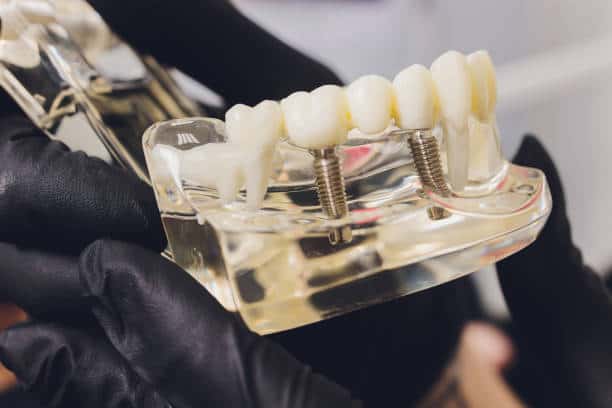
    If you’re missing several teeth in a row, your dentist may recommend an implant-supported bridge, which uses fewer implants to replace multiple teeth efficiently. At Burlingame Dental Arts in Portland, we’ll help you explore all your options so you can find the balance between affordability and durability.

    What payment plans do Portland dentists offer?

    Many Portland dental practices, including Burlingame Dental Arts, offer flexible financing options to make implant treatment more accessible. We work with trusted third-party lenders like CareCredit to offer low- and no-interest financing.

    These plans allow you to break your investment into smaller monthly payments, helping you fit treatment into your budget without delay. Our friendly team will walk you through each option and help you choose what works best for your situation.

    Affordable Dental Implants in Portland

    If you’ve been considering dental implants in Portland, there’s no better time to take the next step toward a healthier, more confident smile. At Burlingame Dental Arts, we believe that everyone deserves access to high-quality, lasting dental care—without financial stress standing in the way.

    Our experienced team will take the time to understand your goals, evaluate your oral health, and design a personalized treatment plan that fits your budget. From flexible financing options to transparent pricing and compassionate guidance, we make the process as smooth and stress-free as possible.

    Don’t let uncertainty about cost keep you from the smile you deserve. Schedule your dental implant consultation at Burlingame Dental Arts in Portland today to discover just how affordable—and life-changing—dental implants can be.

  • Dental Implant Recovery Timeline: What Portland Patients Should Expect

    Dental Implant Recovery Timeline: What Portland Patients Should Expect

    When you choose dental implants to replace missing teeth, you’re investing in a solution designed to last a lifetime. Understandably, one of the most common questions we hear at Burlingame Dental Arts in Portland is: What does recovery look like?

    The good news is that implant recovery follows a predictable timeline. While every patient is different, the healing phases are well understood and carefully monitored to ensure your comfort and long-term success. Knowing what to expect after surgery helps reduce anxiety, makes recovery easier, and gives you confidence in your treatment journey.

    In this guide, we’ll outline the typical phases of dental implant recovery—from the first 48 hours to the final crown placement—so you’ll know exactly what’s ahead.

    The First 48 Hours After Dental Implant Surgery in Portland

    The first two days after implant surgery are when your body begins its healing response. At Burlingame Dental Arts, we prepare Portland patients with detailed aftercare instructions so this stage goes smoothly.

    What you can expect in the first 48 hours:

    • Swelling: It’s normal for the gums and face to swell slightly. Cold compresses help reduce inflammation. Swelling usually peaks at 48 hours and then subsides.
    • Discomfort: Mild soreness is common. Most patients manage this with over-the-counter pain relievers. Prescription options are available if needed.
    • Soft diet: Foods like yogurt, applesauce, mashed potatoes, and smoothies are recommended. Avoid chewing directly on the implant site.
    • Rest: Light activity is fine, but avoid strenuous exercise or heavy lifting during this initial period.

    By following your dentist’s instructions closely, most patients find that the first 48 hours are manageable and less intimidating than they expected.

    Week 1–2: Healing and Adjustment in Portland

    The first two weeks after implant placement are when most patients settle back into their normal routine. At Burlingame Dental Arts, we monitor this stage carefully with follow-up visits to make sure everything is healing as expected.

    During week 1–2, you can expect:

    • Stitches: If stitches were placed, they may dissolve on their own or be removed at a follow-up.
    • Decreasing discomfort: Soreness and swelling should steadily decrease. By the end of the first week, many patients feel little to no discomfort at all.
    • Return to routine: Most people can resume work, social activities, and gentle exercise within a few days.
    • Follow-up appointment: We’ll check your healing, adjust any medications, and review oral hygiene practices.

    Can I go back to work a few days after implant surgery in Portland?

    Yes. Many patients in Portland return to work within two to three days after surgery, depending on the number of implants placed and the type of job they have. Those with physically demanding jobs may need a little more time before resuming full duties.

    Osseointegration Phase (3–6 Months) for Portland Patients

    After the initial healing, the longer but most crucial phase begins: osseointegration. This is when your jawbone fuses directly with the implant post, creating a stable foundation for the final crown.

    What to know about osseointegration:

    • Timeline: This stage typically lasts 3–6 months, depending on your health and bone density.
    • Why it matters: Without osseointegration, the implant would not be secure enough to support a crown. It’s the biological process that makes implants uniquely effective.
    • What it feels like: Patients don’t feel the fusion happening, but they may notice their bite adjusting slightly as healing progresses.
    • Checkups: During this period, we’ll schedule follow-ups to confirm stability and monitor your gums.

    Although this stage requires patience, it’s also the reason dental implants in Portland are considered the gold standard for tooth replacement.

    Final Crown Placement and Full Recovery in Portland

    Once osseointegration is complete, the exciting final stage begins. At Burlingame Dental Arts, we’ll uncover the implant, attach the abutment (a connector piece), and then place your custom-made crown.

    What happens during this stage:

    • Abutment placement: This minor procedure exposes the implant so the abutment can be secured. Healing from this takes about two weeks.
    • Crown fabrication: Your crown is designed to match the color, shape, and size of your natural teeth. Advanced materials like porcelain or zirconia ensure strength and aesthetics.
    • Final placement: The crown is attached, completing the process.

    From here, your implant is fully functional, allowing you to chew, smile, and speak with confidence. Patients often describe this stage as life-changing because it restores not just their smile, but their quality of life.

    Tips for a Smooth Recovery in Portland

    Every recovery can be optimized with good habits. At Burlingame Dental Arts, we coach Portland patients on steps to make healing easier and more successful.

    Tips include:

    • Maintain oral hygiene: Brush gently around the surgical site and use antimicrobial rinses if recommended. Good hygiene prevents infection.
    • Follow a healing diet: Stick to softer foods initially. Avoid sticky, crunchy, or chewy foods that could stress the implant.
    • Avoid smoking: Nicotine restricts blood flow, slowing healing and raising the risk of implant failure.
    • Limit alcohol: Alcohol can interfere with medications and slow recovery.
    • Attend follow-ups: Regular visits allow us to monitor healing and catch any issues early.

    What foods should I avoid after implants in Portland?

    Avoid hard foods like nuts, chips, and raw vegetables during the initial healing period. Sticky foods like caramel or chewing gum should also be avoided, as they can put pressure on the implant.

    How do I know if my implant is healing correctly?

    Signs of healthy healing include decreasing pain, minimal swelling, and gums that look pink and firm. If you notice severe pain, prolonged bleeding, or implant mobility, contact Burlingame Dental Arts in Portland right away.

    FAQs About Implant Recovery in Portland

    How long does soreness last after implants?

    Most soreness resolves within a few days to a week. Over-the-counter pain relievers are usually enough to manage discomfort.

    Can I exercise during recovery?

    Light activity is fine after the first 48 hours, but strenuous exercise should be avoided for about a week. Always follow your dentist’s specific advice.

    Do implants always heal successfully?

    Implant success rates are very high—over 95% nationwide. At Burlingame Dental Arts, careful planning and advanced technology make success rates even higher for our Portland patients.

    Can multiple implants heal at the same time?

    Yes. Whether you receive one implant or several, the healing process is similar, though recovery may take slightly longer for full-arch restorations.

    What if my implant feels loose during recovery?

    An implant should never feel mobile after the initial healing. If you notice movement, contact your dentist immediately so the site can be evaluated.

    Get Recovery Support from Portland Implant Experts

    The dental implant recovery process may take several months from start to finish, but each stage is predictable, manageable, and designed for long-term success. By understanding the timeline, following aftercare instructions, and staying in touch with your dentist, you can enjoy a smooth recovery and lasting results.

    At Burlingame Dental Arts in Portland, we’ve guided countless patients through this process with expertise and care. From the first 48 hours to the moment your crown is placed, we’ll be here to answer questions, monitor your healing, and support your journey every step of the way.

    If you’re ready to explore dental implants as a permanent tooth replacement option, schedule your consultation today. Let our Portland implant experts help you restore your smile and enjoy the confidence that comes with a healthy, lasting solution.

  • Step-by-Step Dental Implant Procedure Guide for Portland Patients

    Step-by-Step Dental Implant Procedure Guide for Portland Patients

    When it comes to replacing missing teeth, few treatments are as reliable and transformative as dental implants. They not only restore your smile but also help preserve jawbone health and provide unmatched stability compared to dentures or bridges. Still, many patients in Portland feel uncertain about what the process actually involves. They want to know how long it takes, what happens during each step, and what to expect afterward.

    At Burlingame Dental Arts, we understand that this uncertainty can feel intimidating. That’s why we believe in educating patients thoroughly before beginning treatment. The dental implant procedure is carefully structured, step by step, to maximize safety, comfort, and long-term success. Whether you need to replace a single tooth or multiple teeth, the process follows a clear roadmap.

    In this guide, we’ll walk through each stage in detail—from your first consultation to the final crown—so you can feel confident about starting your implant journey in Portland.

    Consultation and Treatment Planning in Portland

    The first step in the dental implant process is the consultation. This is more than a brief conversation; it’s a comprehensive evaluation designed to ensure implants are the right choice for you. At Burlingame Dental Arts in Portland, we take time during this appointment to gather the information we need to design a custom treatment plan.

    What to expect during your consultation:

    • Digital X-rays and CBCT scans: These advanced images let us see your jawbone in three dimensions. This is crucial for identifying bone density, mapping nerve pathways, and planning the precise placement of the implant posts.
    • Medical history review: Because overall health plays such a large role in healing, we’ll review conditions such as diabetes, heart disease, or osteoporosis, as well as any medications you take. This ensures your plan is safe and appropriate.
    • Oral exam: We’ll check the condition of your gums, existing teeth, and bite alignment. Healthy gums and strong bone are key for implant stability.
    • Treatment discussion: Finally, we’ll explain your options, the anticipated timeline, and costs. If extra procedures like bone grafting are recommended, you’ll know upfront.

    This stage sets the foundation for success. By the end of the consultation, you’ll have a clear understanding of your individualized plan and what to expect next.

    Tooth Extraction Before Implants in Portland

    Not every dental implant patient requires a tooth extraction, but many do. A tooth may be too damaged, decayed, or infected to save, and removing it is often the first step toward a healthier smile. At Burlingame Dental Arts, tooth extractions are performed with great care to minimize discomfort and preserve as much healthy bone as possible.

    Key points about extraction before implants:

    • Timing: In some cases, we can place the implant immediately after extraction. In others, we allow a healing period of a few weeks or months to let the bone recover. The decision depends on bone quality and whether infection is present.
    • Comfort measures: Local anesthesia ensures the procedure is painless. For patients who feel nervous, sedation options are available for added relaxation.
    • Healing: After extraction, the site needs time to stabilize before an implant can be placed. Healing times vary, but most patients in Portland recover quickly with proper aftercare.

    Removing a failing tooth may feel like a setback, but it’s actually the first step toward a healthier, stronger restoration with implants.

    Placing the Dental Implant Post in Portland

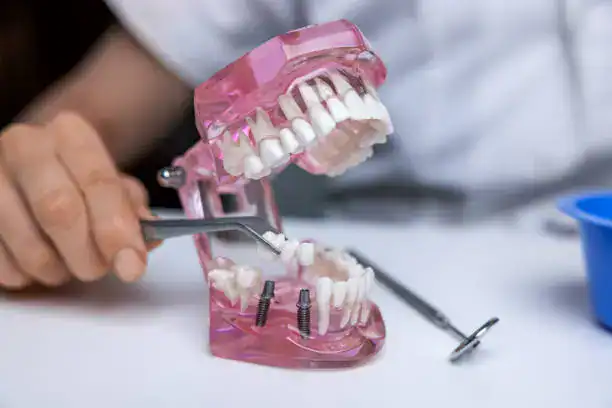
    The implant post is the foundation of your new tooth. It’s a small titanium screw surgically placed into the jawbone to act as a replacement root. This stage is often the one patients feel most nervous about, but at Burlingame Dental Arts in Portland, it’s a routine procedure with predictable results.

    What happens during implant placement:

    1. Local anesthesia: Your mouth is thoroughly numbed so you won’t feel pain.
    2. Gum access: A small incision is made to expose the bone.
    3. Implant insertion: Using precise measurements from your CBCT scan, the titanium post is placed securely in the bone.
    4. Closing the site: The gum tissue is stitched around or over the implant.

    The entire surgery for a single implant usually takes about one to two hours.

    How long does dental implant surgery take in Portland?

    On average, one implant takes between 60 and 120 minutes. Multiple implants may take longer. Patients often find that the procedure is smoother and more comfortable than they expected.

    After placement, mild soreness is normal, but most people resume daily activities quickly.

    Healing and Osseointegration Timeline in Portland

    After the dental implant is placed, healing begins. This stage is crucial because it allows osseointegration—the process where the jawbone fuses with the titanium post. Without this step, the implant would not be stable enough to support a crown.

    What to know about healing:

    • Timeline: Osseointegration typically takes 3–6 months, depending on your health and bone quality.
    • Daily life: During this time, you can eat, speak, and live normally, though you’ll need to avoid excessive pressure on the healing site.
    • Why it matters: This step transforms the implant into a permanent, stable part of your jaw.

    What does osseointegration feel like?

    You won’t feel the bone fusing itself, but you may notice your bite feeling slightly different as the implant settles. Most patients describe it as an uneventful healing period with minimal discomfort.

    Attaching the Abutment and Final Crown in Portland

    Once osseointegration is complete, the next step is attaching the abutment. This small connector links the implant post to the crown.

    • Abutment placement: A minor procedure exposes the implant and secures the abutment. Healing from this takes about two weeks.
    • Crown design: Impressions or digital scans are taken to design your crown. The crown is customized for color, shape, and size to match your natural teeth.
    • Final restoration: The crown is attached, completing the process.

    Patients at Burlingame Dental Arts often remark that this stage is the most exciting, as it’s when they finally see their full smile restored.

    FAQs About the Implant Procedure in Portland

    Is implant surgery painful?

    With anesthesia, patients feel no pain during surgery. Post-procedure discomfort is usually mild and managed with over-the-counter medication.

    How many visits are needed?

    Typically, three to five visits are required: consultation, surgery, follow-ups, and crown placement.

    Can all implants be placed in one day?

    Some patients qualify for immediate or same-day implants, but this depends on bone quality and overall health. Not all cases are suitable.

    How long do implants last?

    With proper care, implants can last decades—often a lifetime. Regular checkups at Burlingame Dental Arts ensure long-term success.

    Are dental implants safe for older patients?

    Yes. Age alone is not a limiting factor. As long as overall health and bone density are sufficient, implants are safe and effective for seniors in Portland.

    Start Your Implant Journey in Portland Today

    The dental implant process may seem complex, but when broken down into steps, it becomes clear and manageable. From consultation and planning to final restoration, every stage is designed to maximize comfort, safety, and success.

    At Burlingame Dental Arts in Portland, we take pride in guiding our patients through this journey with care and precision. If you’re ready to restore your smile with a solution that looks, feels, and functions like natural teeth, dental implants are the gold standard.

    Don’t wait to begin your journey. Call Burlingame Dental Arts today to schedule your consultation and take the first step toward a stronger, healthier, and more confident smile.