Category: General Dentistry

  • Taking Action Can Help Prevent Mouth Cancer

    Taking Action Can Help Prevent Mouth Cancer

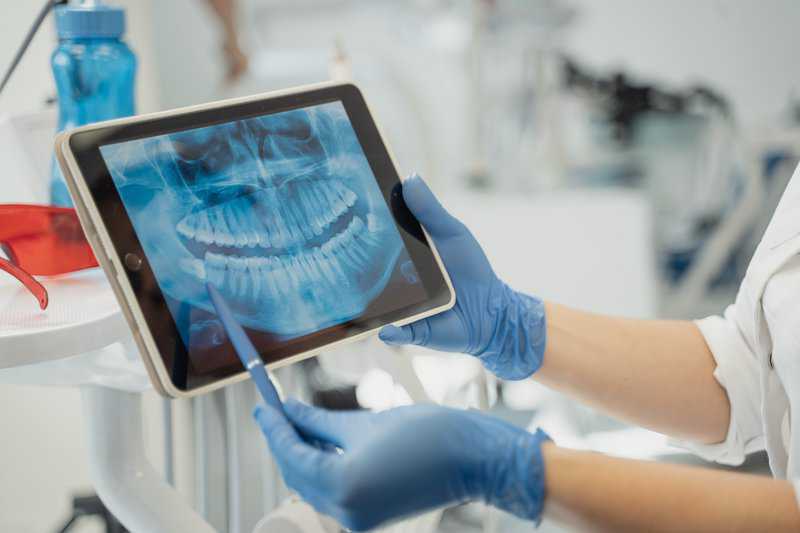
    November is a month dedicated to a cause that often goes unnoticed but has a profound impact on countless lives – Mouth Cancer Action Month. This campaign, led by the Mouth Cancer Foundation, aims to educate, raise awareness, and promote early detection of mouth cancer. Nearly 55,000 Americans are newly diagnosed with mouth cancer every year, but with quick action and intervention from your dentist in Portland, survival chances increase. 

    Understanding the Significance of Mouth Cancer

    Mouth cancer, also known as oral cancer, can affect various parts of the mouth, including the lips, tongue, gums, and even the throat. It’s a potentially life-threatening condition, with early detection playing a crucial role in successful treatment. The prevalence of mouth cancer has been increasing steadily, and yet, awareness about this condition remains relatively low. Mouth Cancer Action Month strives to change that. 

    Mouth Cancer Action Month: An Overview

    Mouth Cancer Action Month, held annually in November, serves as a pivotal platform for raising awareness about mouth cancer. The Mouth Cancer Foundation, a UK-based charity, takes the lead in organizing this campaign, but the message applies to everyone around the globe. Their website is a valuable resource for those looking to understand the initiative and get involved. Four key pillars of Mouth Cancer Action Month that help with various needs surrounding this serious condition. 

    • Education and Awareness

    One of the primary goals of Mouth Cancer Action Month is to educate people about the risk factors, symptoms, and prevention of mouth cancer. The campaign provides a plethora of resources, from informative articles to videos, to help individuals understand the disease. They also emphasize the importance of regular dental check-ups with your dentist in Portland as dentists can often spot the early signs of mouth cancer – when it’s more easily treatable.

    • Early Detection

    Early detection is a key factor in improving the prognosis for mouth cancer patients. The campaign encourages individuals to be vigilant and seek medical attention if they notice any potential signs, such as ulcers that don’t heal, unusual lumps, or persistent pain. By spreading awareness of these symptoms, Mouth Cancer Action Month can save lives through early diagnosis.

    • Prevention

    Preventing mouth cancer is another crucial aspect of the campaign. Certain lifestyle choices can increase the risk of developing the disease such as:

    • Smoking
    • Alcohol use
    • Sun exposure
    • Poor diet
    • Human papillomavirus (HPV) infection

    Support and Community

    Mouth Cancer Action Month also aims to provide support to patients and their families. The Mouth Cancer Foundation offers a space for individuals to share their stories, find comfort in a supportive community, and access resources that can assist them during their journey. This sense of community can be a source of strength for those affected by mouth cancer. Additionally,  you can access free resources and information on the Mouth Cancer Foundation’s website.

    Mouth Cancer Action Month is a valuable campaign that has the potential to save lives by talking openly about a condition that’s often overshadowed by other health concerns, but just serious. Remember, early detection can make all the difference in the fight against mouth cancer. If it’s been longer than six months since your last dental checkup, schedule an appointment with your dentist in Portland today. 
  • Does Purple Toothpaste Really Whiten Teeth or Is It Just Color Theory?

    Does Purple Toothpaste Really Whiten Teeth or Is It Just Color Theory?

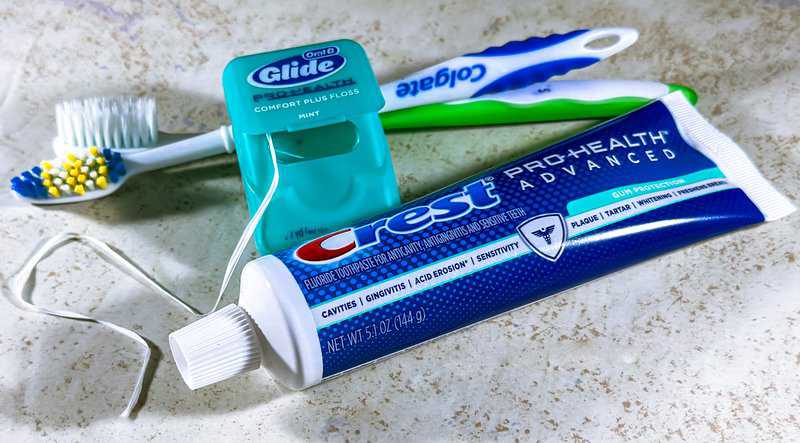
    Purple toothpaste has taken the oral care market by storm in recent years, promising to not only clean your teeth but also whiten them. But is it just a gimmick, or can it actually transform the color of your teeth? While your dentist in Portland will always recommend a professional whitening solution over a DIY approach, let’s take a look at the science behind purple toothpaste and whether it’s a legitimate teeth-whitening solution or merely a clever application of color theory.

    Understanding the Basics of Tooth Staining

    Before we jump into the discussion of purple toothpaste, we need to understand how and why teeth become stained in the first place. Dental stains can be broadly categorized into two types: extrinsic and intrinsic.

    Extrinsic Stains

    These are superficial stains that occur on the outer surface of the tooth enamel. Common culprits include coffee, tea, red wine, and smoking. Extrinsic stains are often easier to remove through regular brushing and professional dental cleanings.

    Intrinsic Stains

    These types of stains are more challenging to treat as they originate within the tooth’s structure. Causes of intrinsic stains include certain medications, fluorosis, and tooth trauma. Intrinsic stains require more specialized treatments like professional teeth whitening or forms of cosmetic dentistry.

    The Role of Color Theory in Purple Toothpaste

    Now, let’s explore the concept of color theory and how it relates to purple toothpaste. Color theory suggests that certain colors can create optical illusions or perceptions that affect how we perceive the color of objects, including our teeth.

    Purple & Yellow

    When looking at color theory, we need to consider the color wheel. When examining a color wheel we see that purple is opposite to yellow, meaning purple can counteract yellow. Purple toothpaste, when applied to the teeth, can create an optical illusion by neutralizing yellow or brownish stains. This, in turn, makes the teeth appear whiter. It’s similar to how wearing complementary colors can make your clothing look more vibrant.

    The Whitening Ingredients in Purple Toothpaste

    However, it’s important to note that many purple toothpaste products on the market do actually contain ingredients that are known for their teeth-whitening properties such as: 

    • Hydrogen Peroxide – Hydrogen peroxide is a common teeth-whitening agent that can break down and remove stains on the tooth’s surface. In fact, it’s one of the ingredients that your dentist in Portland will use during a professional whitening treatment.
    • Activated Charcoal – Activated charcoal is believed to absorb surface stains and toxins, helping to whiten teeth.

    While these ingredients do have whitening potential, their effectiveness can vary from product to product.

    So, Does Purple Toothpaste Work? 

    Opinions differ on whether or not purple toothpaste actually whitens teeth or not. Even if you use purple toothpaste and notice some improvement in the color of your teeth, it’s important to know that it’s not a magic solution for teeth whitening. In fact, teeth whitening solutions from your dentist in Portland will typically be fast, more dramatic, and last longer. 

    More importantly, regardless of the color of your toothpaste, maintaining good oral hygiene practices is essential for achieving and maintaining white teeth, and healthy teeth. Make sure you brush your teeth at least twice a day using fluoride toothpaste, floss daily to remove plaque and debris from between your teeth and along the gumline, and minimize the consumption of stain-causing substances such as coffee, tea, and tobacco products. Additionally, visiting your dentist regularly for professional cleanings and to discuss any concerns about teeth staining or discoloration can help keep your teeth healthy. 

    Even though purple toothpastes tend to include ingredients that can brighten teeth, it’s important to know that they can also create an illusion of whiter teeth through the principles of color theory, where the purple color neutralizes yellow or brown stains. Their effectiveness can vary greatly based on the product’s ingredients and the type of stains being treated. 

    If you have significant staining or discoloration issues, consult your dentist for personalized teeth-whitening recommendations

  • Top Cavity-Causing Candy

    Top Cavity-Causing Candy

    It is that time again when kids eagerly collect bags full of candies during their door-to-door trick-or-treat adventures, and adults are bombarded with sugary sweets in the grocery aisles or haunted by all the treat-or-treat leftovers in the kitchen cabinet. It can only mean one thing – Halloween is here. While we fully appreciate the joy and significance of this tradition, it’s equally important to understand which candies pose the greatest threat to dental health. As your trusted dentist in Portland, we’re here to shed some light on the worst offenders when it comes to cavity-causing candies.

    Candy Corn

    Whether you’re a fan or not, candy corn is always present during the autumn season. Despite its seemingly healthy name, this treat can spell trouble for teeth. Its sticky nature means it clings to teeth long after consumption, and its high sugar content provides a feast for those pesky sugar-loving bacteria that can wreak havoc on your teeth.

    Taffy

    This delightful confection comes in a plethora of mouthwatering flavors and vibrant colors, but don’t be fooled by its charm. Taffy not only contains a substantial sugar content but is also one of the stickiest treats around. This dual threat makes it detrimental to dental health as it can linger on teeth, and its stickiness can even harm dental restorations like fillings.

    Lollipops

    Lollipops and similar candies like jawbreakers or hard candies that require prolonged sucking sessions expose teeth to sugar for an extended period, which is a recipe for trouble. The longer the candy takes to consume, the more time sugar has to cling to teeth and induce damage.

    Sour Candy

    Sour candy not only delivers a hefty sugar dose but also adds an acidic punch to the mix. Acid can weaken tooth enamel, rendering teeth vulnerable to sugar-related damage. Excessive consumption of sour candies might necessitate a visit to your dentist in Portland.

    Popcorn

    While popcorn may not be sweet, it’s a common find in trick-or-treat bags and an easy nightly snack. Popcorn’s sugar content is relatively low, but it conceals a hidden danger – those sneaky unpopped kernels. Biting down on them unexpectedly can result in tooth damage, leading to broken teeth or the harm of existing dental fillings.

    You might not be able to entirely eliminate the temptation for these treats during Halloween, and that’s perfectly fine. What matters most is that you enjoy these indulgences in moderation and follow a daily dental hygiene routine that includes brushing and flossing. Additionally, make sure to see your dentist in Portland at least every six months for checkups. 

  • Is Gum Recession Reversible? 

    Is Gum Recession Reversible? 

    Gum recession, also known as gingival recession, is a common dental concern that many people face. It occurs when the gum tissue surrounding the teeth wears away or pulls back, exposing more of the tooth’s root. Gum recession can be distressing, and many patients want to know whether or not it’s reversible. To properly answer that, your dentist in Portland would want to know several things such as the cause of gum recession, before they can recommend a potential treatment to reverse it.

    What Causes of Gum Recession

    Gum recession can be triggered by several factors, both preventable and unavoidable. Some of the primary causes include:

    • Poor Oral Hygiene: Inadequate brushing, flossing, and avoiding the dentist can lead to the accumulation of plaque and tartar along the gumline. This buildup can cause the gum tissue to recede over time.
    • Gum Disease: Gingivitis, the early stage of gum disease, can lead to gum inflammation and potential recession if not treated promptly. Progression to periodontitis, a more severe form of gum disease, can significantly contribute to gum recession.
    • Aggressive Brushing: Brushing your teeth too vigorously or using a toothbrush with hard bristles can wear away the delicate gum tissue, eventually causing it to recede.
    • Misaligned Teeth: Teeth that are not properly aligned can create excessive force on certain parts of the gums, leading to recession over time.
    • Bruxism: Habitual teeth grinding can exert pressure on the gums, potentially causing them to recede.

    Can Gum Recession Be Reversed? 

    The extent to which gum recession is reversible largely depends on its underlying causes, severity, and how quickly you see your dentist in Portland for it. While it’s challenging to completely reverse gum recession in all cases, there are scenarios where it can be improved.

    • Mild Cases with Good Oral Hygiene

    If gum recession is detected at an early stage and is primarily caused by poor oral hygiene habits, improvements in brushing, flossing, and regular dental cleanings might help prevent further recession and even promote some natural regrowth.

    • Treatment of Underlying Conditions

    Addressing the root causes of gum recession is vital for potential reversal. Treating gum disease, adjusting misaligned teeth, or managing bruxism can halt the progression of recession and allow the gum tissue to heal and regenerate to some extent.

    • Gum Grafting

    In more advanced cases where the gum recession is substantial and conservative measures aren’t sufficient, gum grafting can be considered. This surgical procedure involves taking tissue from another part of the mouth and attaching it to the receded gum area. This can help cover exposed tooth roots, reduce sensitivity, and improve the appearance of the gums.

    • Lifestyle Changes

    Avoiding habits like aggressive brushing and smoking can prevent further gum recession and support the body’s natural healing processes.

    How to Prevent Gum Recession

    While complete reversal of gum recession may not always be possible, taking proactive steps to prevent its onset or progression is crucial for maintaining oral health. Here’s what you can do:

    • Follow a Thorough Oral Care Routine: Brush your teeth gently but effectively at least twice a day, and floss daily to remove plaque and debris from between teeth and along the gumline.
    • Regular Dental Visits: Schedule regular dental check-ups and cleanings. Your dentist in Portlandd can identify early signs of gum recession and recommend appropriate interventions.
    • Address Teeth Grinding: If you grind or clench your teeth, talk to your dentist about using a mouthguard to protect your teeth and gums from the forces generated during grinding.
    • Quit Smoking: Smoking is a known risk factor for gum disease and recession. Quitting can greatly improve your oral health.

    The possibility of reversing gum recession relies on various factors, including the underlying causes and the stage at which it’s addressed. While complete restoration might not always be achievable, early detection, appropriate treatment, and following good oral hygiene practices can help prevent further recession and promote gum tissue health.

  • Does Biting Your Cheeks Cause Oral Health Problems?

    Does Biting Your Cheeks Cause Oral Health Problems?

    We’ve all caught ourselves biting our cheeks from time to time, which is a seemingly harmless habit that can often be attributed to stress, anxiety, or even just absentmindedness. While it might not seem like a big deal at first, your dentist in Portland knows that consistently biting your cheeks could potentially lead to problems for your teeth and overall oral health. But why exactly is this habit problematic and what can you do to decrease the dental risks associated with it? 

    The Habitual Cheek Bite

    Biting your cheeks might seem innocuous, but when done regularly, it can have repercussions beyond just temporary discomfort. Habitual cheek biting involves repeatedly clenching your teeth down on the soft tissue of your inner cheeks. Over time, this can cause irritation, inflammation, and even result in sores or ulcers in the mouth. While these symptoms might be uncomfortable on their own, they can also indirectly affect your teeth.

    Dental Damage: Consistent cheek biting can create pressure on your teeth. This constant pressure can result in micro-fractures, chips, or cracks in your teeth. Over time, this damage might necessitate dental treatments such as dental bonding, fillings, or even crowns to restore the affected teeth.

    Shift in Tooth Alignment: Habitual cheek biting can also affect the alignment of your teeth. The repetitive movement of your teeth against the cheek can push them out of their natural positions, potentially leading to malocclusion or misalignment. This might require treatment from your dentist in Portland to correct the issue.

    Bruxism Aggravation: Cheek biting is often associated with bruxism – the habit of clenching or grinding your teeth, usually during sleep. Bruxism can lead to enamel erosion, tooth sensitivity, and jaw pain. Habitual cheek biting can exacerbate these issues, intensifying the impact of bruxism on your dental health.

    Prevention and Management

    There are several ways you can prevent dental damage caused by habitual cheek biting including: 

    Awareness and Mindfulness: The first step in addressing cheek biting is to become more aware of when you’re doing it. Pay attention to moments when you catch yourself biting your cheeks, and try to identify any triggers. Practicing mindfulness and stress reduction techniques can also help minimize the instances of cheek biting.

    Mouthguards: For those who find it challenging to control cheek biting, your dentist in Portland can create custom mouthguards or splints to help. These devices act as a barrier between your teeth and cheeks, preventing direct contact and reducing the potential damage caused by clenching and grinding.

    Biting your cheeks might seem like a minor concern, but its impact on your dental health can be significant. From dental damage and misalignment to exacerbating bruxism-related problems, this seemingly harmless habit can lead to various oral health issues. The key lies in awareness, stress management, and seeking professional guidance when needed. By taking steps to address and mitigate cheek biting, you can preserve your dental health and maintain a confident smile for years to come. Remember, a proactive approach to oral health can lead to a happier and healthier mouth.

  • Can Dental Problems Contribute To Headaches And Migraines?

    Can Dental Problems Contribute To Headaches And Migraines?

    People who get a lot of headaches or have chronic migraines may be surprised to learn that a dental problem may be to blame. In fact, these two seemingly unrelated ailments can have a significant impact on each other, and recent research suggests that there may be a strong connection between them. While headaches and migraines are typically treated as medical concerns, there may be a reason to consult your dentist in Portland to get relief. 

    The Link Between Dental Problems and Headaches

    While it might not be immediately evident, your dental health and headaches could be interconnected in several ways. Let’s explore some of the key factors that establish this intriguing link.

    1. Malocclusion and Dental Alignment

    Malocclusion refers to a misalignment of the teeth, which can occur due to various reasons like genetics or improper oral habits. When your teeth are not correctly aligned, it can lead to an uneven distribution of biting forces. As a consequence, this places additional stress on certain teeth and the surrounding jaw muscles, potentially resulting in tension headaches or even migraines.

    If a patient has malocclusion or misaligned teeth, a dentist can recommend orthodontic treatments like braces or clear aligners to correct the alignment. By achieving proper dental alignment, the uneven biting forces that contribute to headaches can be alleviated.

    1. Teeth Grinding and Clenching 

    Teeth grinding, medically known as bruxism, is a common dental problem that often occurs during sleep or period of stress. The constant grinding and clenching of teeth can cause significant strain on the jaw joint and surrounding muscles, leading to headaches. The pressure exerted during bruxism can also radiate pain to the temples and forehead, mimicking the symptoms of tension headaches.

    Dentists can address teeth grinding and clenching issues by providing patients with custom-made nightguards or splints. These dental appliances help protect the teeth from excessive wear and reduce the strain on the jaw muscles, potentially preventing headaches caused by bruxism.

    1. Temporomandibular Joint Disorder and Headaches 

    The temporomandibular joint (TMJ) is the hinge joint that connects your jaw to your skull. TMJ disorder can arise due to injury, arthritis, or teeth grinding, among other factors. TMJ-related headaches are often felt in the temples, behind the eyes, and even in the neck and shoulders. These headaches can be severe and have a migraine-like quality, making it crucial to address the underlying dental issues.

    For patients suffering from temporomandibular joint disorders, dentists can offer various treatment options. This may include recommending lifestyle changes, physical therapy exercises, stress management techniques, or in some cases, dental appliances like splints to alleviate TMJ-related headaches.

    1. Dental Infections and Headaches 

    Untreated dental infections, such as abscesses or gum disease, can lead to the spread of bacteria and inflammation in the oral cavity. The proximity of the oral region to the head means that these infections can easily affect the surrounding nerves and tissues, potentially triggering headaches or migraines.

    For headaches caused by dental infections or gum disease, your dentist in Portland can perform necessary procedures, such as root canals or periodontal treatments, to eliminate the infection and reduce inflammation. By addressing these issues, the spread of bacteria and inflammation that may trigger headaches can be controlled.

    1. Impact of Oral Health on Overall Well-being

    Beyond the direct links between dental problems and headaches, your oral health significantly influences your overall well-being. Poor oral hygiene can lead to various systemic health issues, such as cardiovascular disease and diabetes. These underlying health conditions can also contribute to headaches, making it essential to prioritize dental health as part of a comprehensive approach to headache management.

    If your headaches or migraines are affecting your life, consider talking to your dentist in Portland. After all, dentists can make a significant impact in addressing dental problems that may be associated with headaches and migraines. Dental treatment may be just what you need in order to help reduce the number or severity of headaches and migraines. 

  • How Do You Stop Grinding Your Teeth?

    How Do You Stop Grinding Your Teeth?

    If you’ve ever woken up with a sore jaw or headache, or have noticed that your teeth appear shorter and worn down, you may be dealing with tooth grinding, scientifically known as bruxism. You’re not alone. Millions of individuals deal with tooth grinding discomfort every day, and to make matters worse, most people grind their teeth subconsciously. If not treated, bruxism could lead to unwanted dental problems and necessary dental treatment from your dentist in Portland. So what causes tooth-grinding and how can you stop doing it? Let’s find out. 

    What is Bruxism?

    Before we delve into the causes and solutions, let’s grasp the fundamentals of bruxism. Bruxism refers to the habitual clenching or grinding of teeth, often during sleep or subconsciously. This condition can manifest during the day (awake bruxism) or while we sleep (sleep bruxism). While occasional teeth grinding may not raise significant concerns, chronic bruxism can lead to severe dental complications and discomfort.

    What Causes Bruxism?

    There are a variety of things that can cause someone to grind their teeth, and each person is different. That’s why it’s important to talk to your dentist in Portland about any symptoms of bruxism. They will help determine the cause and determine the best way to treat it. 

    • Stress and Anxiety

    Stress and anxiety are notorious culprits behind many health issues, and bruxism is no exception. The pressures of daily life can lead us to clench our jaws or grind our teeth as a subconscious way of coping. Identifying stressors and adopting relaxation techniques can significantly alleviate bruxism symptoms.

    • Sleep Disorders

    Sleep disorders, such as sleep apnea and snoring, have been associated with an increased risk of sleep bruxism. The interrupted breathing patterns in sleep apnea can trigger the body’s response to grind teeth, aiming to open the airways. If you suspect you may have an underlying sleep disorder, it’s crucial to seek professional evaluation and treatment.

    • Malocclusion

    Malocclusion, commonly known as a misaligned bite, can also be a trigger for bruxism. When the upper and lower teeth don’t fit together harmoniously, the subconscious response may be grinding to find a more comfortable position. Dental treatments such as orthodontic treatments can address malocclusion and reduce teeth grinding.

    • Lifestyle Factors

    Certain lifestyle habits such as excessive caffeine consumption, alcohol intake, and smoking have been linked to an increased risk of bruxism. Caffeine and alcohol can stimulate the nervous system, while smoking can heighten muscle tension. Being mindful of these factors and moderating their consumption can help curb tooth grinding.

    Tips to Stop Tooth Grinding

    1. Stress Management Techniques

    As stress is a major player in bruxism, incorporating stress management techniques into your daily routine can work wonders. Consider practices like meditation, yoga, deep breathing exercises, or engaging in hobbies to unwind and reduce stress levels.

    1. Nighttime Mouthguards

    Nighttime mouthguards, also known as splints or occlusal guards, are custom-fitted devices made by your dentist in Portland. They put a protective barrier between your upper and lower teeth and help prevent tooth damage and ease jaw muscle tension during sleep.

    1. Correcting Malocclusion

    If malocclusion is contributing to your bruxism, orthodontic treatment may be beneficial. These treatments can realign the bite, eliminating discomfort and reducing teeth grinding.

    1. Limiting Stimulants

    As mentioned earlier, reducing the consumption of stimulants like caffeine and alcohol can have a positive impact on bruxism. Opt for decaffeinated beverages and limit alcohol intake to improve your sleep quality.

    Tooth grinding may have been causing you more distress than you realized. By understanding the potential causes and adopting effective strategies, you can regain control over your dental health and sleep quality. Remember to manage stress, consider mouthguards, address dental misalignments, moderate lifestyle factors, and establish a bedtime routine. Put these practices into action, and you’ll be well on your way to saying goodbye to tooth grinding and hello to healthier, more restful nights. 


  • Do Certain People Get Cavities Easier?

    Do Certain People Get Cavities Easier?

    Have you ever had a friend or relative who has never had a cavity when you’ve had several? That seems unfair. Annoying. Frustrating. But there may actually be several reasons why some people seem to get cavities easier than others. If you’re wondering why you’ve needed to get a cavity or two treated by your dentist in Portland even though you take great care of teeth, we’re here to help explain. 

    Brushing & Flossing

    While this seems like the most obvious answer, the truth is brushing your teeth twice a day and flossing once a day can really work to avoid cavities. Those who follow a proper oral health care routine at home can effectively remove plaque and bacteria from teeth and reduce the risk of decay. However, it’s not enough to only brush and floss, you need a good brushing and flossing technique to really be effective. Make sure you’re using a soft toothbrush and brush gently along the gumline and all tooth surfaces. Otherwise, you could miss cleaning important areas or actually cause damage if you brush too hard. Floss in between each and every tooth, curving the floss up under the gum line for a thorough clean. Not brushing and flossing your teeth, or not doing it effectively, can increase the risk of decay. 

    Genetics

    Genetics can play a role in so many ways, including how strong our teeth are and even the shape of our teeth. When individuals inherit weaker enamel, it can make their teeth more susceptible to decay. Additionally, teeth that are formed with deep grooves are more likely to develop cavities because those crevices provide a nice place for bacteria to hide and cause problems. However, genetics alone do not dictate someone’s cavity risk. For example, someone with genetically strong enamel can absolutely still develop cavities if they don’t brush and floss regularly or have other cavity-causing conditions. 

    Diet

    Another factor that can determine someone’s risk of developing cavities is their diet. In fact, what we eat and drink can significantly impact our dental health. Consuming too much sugar or acid can create an ideal environment for cavities to form, which is one reason why your dentist in Portland usually advises against eating an excess of sugar. You see, bacteria in the mouth feed on sugars and produce acids as a byproduct. These acids can erode tooth enamel, increasing the risk of cavities. Additionally, many people do not drink enough water throughout the day, and that’s a concern. Water not only helps the body function properly, but it can also help wash away bacteria and neutralize acids that could otherwise wear away enamel, resulting in decay. 

    Professional Dental Care

    Besides brushing your teeth daily and eating a well-balanced diet limited in sugar and acid, it’s important to see your dentist in Portland at least every six months for a check-up and cleaning. Professional dental care is an essential part of maintaining oral health as your dental team will be able to detect early signs of cavities and provide preventive treatments like sealants or fluoride. Those who see their dentist regularly have a lower risk of getting a cavity or experiencing other serious oral health problems whereas individuals who neglect regular dental visits or do not prioritize preventive care may be at a higher risk of cavities. 

    If it’s been longer than six months since your last dental visit, we welcome you to call our office to schedule an appointment today. 

  • How Do You Maintain Oral Health In The Elderly?

    How Do You Maintain Oral Health In The Elderly?

    As we get older, a lot will change throughout our bodies, and taking care of our health becomes a top priority. This also includes taking good care of our teeth and oral health. In fact, the elderly population faces unique challenges when it comes to oral care as they’re at higher risk of multiple dental concerns such as tooth decay, gum disease, oral cancer, and dry mouth. However, with proper knowledge and care from their dentist in Portland, seniors can maintain their oral health and enjoy a confident smile.

    Get Regular Dental Check-ups

    Regular dental check-ups are crucial for seniors to monitor their oral health and address any concerns promptly. Dental professionals can detect signs of dental issues such as oral cancer and gum disease early when they can still be treated easily and often very successfully. Additionally, their dentist in Portland will conduct professional cleanings and offer preventive treatments, both of which are necessary for maintaining a healthy mouth. 

    Brush & Floss Every Day

    It’s important to brush and floss your teeth every day no matter how old you are. Keeping up with those good habits into the senior years can help reduce the risk of oral health problems. Encourage the elderly to brush their teeth at least twice a day using a soft-bristled toothbrush and fluoride toothpaste. Remind them to brush gently along the gumline and clean their tongue to remove bacteria. Flossing daily is also crucial for removing plaque and debris from between the teeth. If you have an elderly family member that’s having trouble brushing and flossing, talk to your dentist about alternative tools that may be easier to use such as an electric toothbrush or water flosser. 

    Eat a Nutrient-Rich Diet

    A healthy diet plays a significant role in maintaining both overall and oral health. Everyone, including seniors, should consume a nutrient-rich diet that consists of fruits, vegetables, whole grains, lean proteins, and dairy products. These foods provide essential vitamins and minerals necessary for strong teeth and gums. Limiting sugary and acidic foods and beverages can help prevent tooth decay.

    Be Aware of Medication Side Effects

    It’s essential for seniors or their caregivers to inform their dentist about all medications they are taking as some medications can impact oral health. For example, dry mouth is a common side effect of medications or could result from a medical condition. Dry mouth can increase the risk of tooth decay and gum disease. Encourage seniors to stay hydrated by drinking plenty of water throughout the day. Chewing sugar-free gum or sucking on sugar-free candies can help stimulate saliva production.

    Talk About Tooth Replacement Treatments

    While it’s entirely possible for some people to keep their natural teeth throughout their lives, the truth is that tooth loss becomes more common as we get older. But there are many tooth replacement treatments available for those who do lose teeth, from dentures to bridges, or even dental implants. Your dentist in Portland will be able to help find the best tooth replacement option. 

    Maintaining oral health in the elderly requires consistent oral hygiene routines, addressing dry mouth, eating a nutrient-rich diet, and regular dental check-ups. By implementing these essential tips, seniors can enjoy a healthy smile, improved well-being, and a better quality of life. Encouraging and supporting the elderly in their oral care efforts is crucial for promoting their overall health and helping them maintain their beautiful smiles for years to come.

  • Bad Breath: Causes, Prevention, and Treatment Options

    Bad Breath: Causes, Prevention, and Treatment Options

    Bad breath, also known as halitosis, can be embarrassing and frustrating. But did you know that bad breath may also be a sign that it’s time to see your dentist in Portland? In fact, bad breath can be a sign of underlying dental or medical issues, and we want to help you understand the causes of bad breath and provide you with tips to prevent and treat it.

    Causes of Bad Breath

    There are several causes of bad breath, including:

    • Poor Oral Hygiene: Not brushing and flossing regularly can lead to the buildup of bacteria in the mouth, causing bad breath.
    • Food and Drink: Eating certain foods, such as garlic and onions, can leave a strong odor in the mouth. Additionally, drinking alcohol and coffee can dry out the mouth, leading to bad breath.
    • Tobacco Use: Smoking or using tobacco products can cause a persistent odor in the mouth.
    • Dental Problems: Cavities, gum disease, and other dental issues can lead to bad breath.
    • Medical Conditions: Certain medical conditions, such as sinus infections, diabetes, and acid reflux, can cause bad breath.

    Prevention Tips

    Fortunately, there are several steps you can take to prevent bad breath, including:

    • Brushing and Flossing Regularly: Brush your teeth at least twice a day and floss at least once a day to remove plaque and bacteria from the mouth.
    • Drinking Plenty of Water: Drinking water throughout the day can help keep the mouth hydrated and prevent dry mouth.
    • Eating a Healthy Diet: Eat a balanced diet that includes plenty of fruits and vegetables to promote good oral and overall health.
    • Quitting Tobacco Use: Quit smoking or using tobacco products to improve oral and overall health.

    Treatment Options

    If you have persistent bad breath despite practicing good oral hygiene habits, you may need to seek treatment from a dentist in Portland. Treatment options for bad breath include:

    • Dental Cleanings: Professional cleanings can remove plaque and bacteria from the mouth, improving breath odor.
    • Treatment for Dental Issues: If you have cavities or gum disease, treating these issues can improve your breath.
    • Addressing Medical Conditions: Treating underlying medical conditions that may be causing bad breath can also help improve breath odor.

    Bad breath can be embarrassing, but it is also a sign of underlying dental or medical issues. By practicing good oral hygiene habits, eating a healthy diet, quitting tobacco use, and maintaining visits to your dentist in Portland, you can help prevent bad breath. If you have persistent bad breath, seek treatment from a dental professional to address any underlying issues.