Category: cosmetic dentist

  • How Long Do Veneers Last in Portland? Dentist’s Guide to Durability

    How Long Do Veneers Last in Portland? Dentist’s Guide to Durability

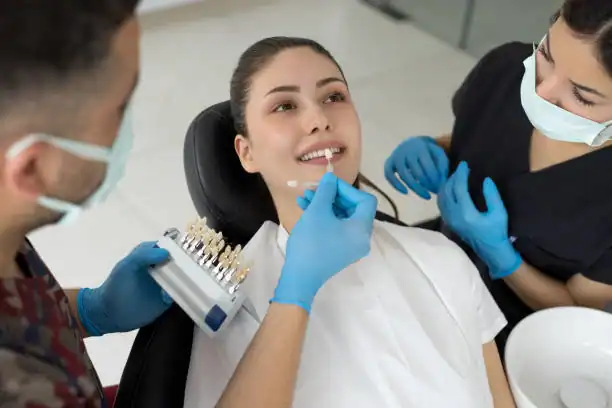
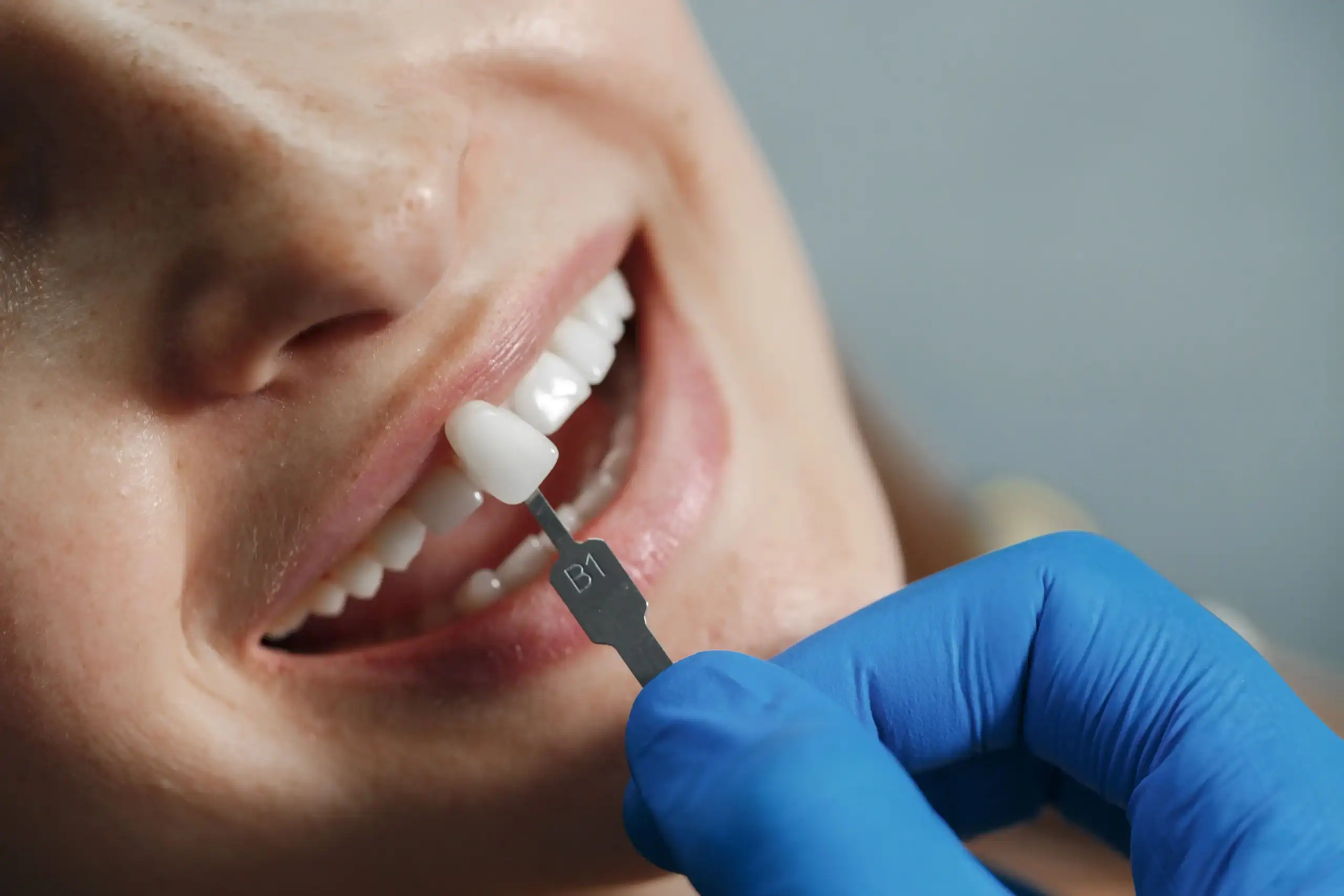
    Many Portland patients ask, “How long do veneers last?” Veneers are durable and long-lasting, but not permanent. Their lifespan depends on the material used, your daily habits, and the quality of your dental care. Porcelain veneers typically last 10 to 15 years, while composite veneers last 5 to 7 years. With proper maintenance and guidance from a trusted cosmetic dentist, veneers can continue to look beautiful for over a decade.

    At Burlingame Dental Arts, we help patients achieve confident, lasting smiles using advanced technology and personalized care. Whether you choose porcelain or composite veneers, understanding how long they last and how to care for them ensures the best long-term results.

    Average Veneer Lifespan for Patients in Portland

    Veneers in Portland can last many years with proper care and placement. On average, porcelain veneers last 10 to 15 years, while composite veneers typically last 5 to 7 years. Porcelain is more durable and resistant to staining, which makes it the preferred choice for many patients in Portland.

    The longevity of your veneers depends on several factors such as your oral hygiene, diet, and whether you grind your teeth. With consistent care and regular visits to your dentist, porcelain veneers can even exceed 15 years of service. Over time, minor edge wear or gumline changes may occur, but these are manageable with maintenance and occasional polishing.

    Below is a quick comparison of porcelain versus composite veneers:

    Feature Porcelain Veneers Composite Veneers
    Average Lifespan 10–15 years 5–7 years
    Durability High; resists chips and wear Moderate; more prone to damage
    Stain Resistance Excellent Fair
    Maintenance Minimal Requires periodic polishing
    Cost Higher upfront investment Lower initial cost

    Advanced materials and CEREC technology at Burlingame Dental Arts help create custom porcelain veneers that maintain their strength and shine for years. Many of our Portland patients report that their veneers still look natural and feel comfortable even after a decade.

    Factors That Affect Veneer Longevity in Portland

    The lifespan of veneers depends on both the quality of the material and your oral habits. Proper placement and care can significantly extend how long veneers last in Portland.

    Material Quality and Bonding Strength

    The way veneers bond to your teeth affects how long they last. Veneers are attached using a specialized dental adhesive that bonds directly to the enamel. At Burlingame Dental Arts, our team uses advanced bonding techniques to secure veneers firmly without damaging the natural tooth structure. When placed correctly, veneers stay in place for years without loosening or shifting.

    What Happens to Your Teeth When You Get Veneers

    During veneer placement, a thin layer of enamel is gently reshaped to make space for the veneer. This process preserves the majority of your natural tooth while allowing for a secure and natural fit. The teeth remain healthy and protected under the veneers, and the bonding material creates a strong seal that prevents sensitivity and decay when cared for properly.

    Daily Habits and Bite Pressure

    Everyday behaviors like biting into hard foods, grinding, or using your teeth as tools can shorten veneer life. Patients with TMJ disorders or clenching habits may need custom mouthguards to protect their restorations. Since Burlingame Dental Arts also provides TMJ treatment, our dentists can evaluate and manage bite-related stress to prevent veneer damage.

    Long-Term Effects of Veneers

    Over the years, veneers may show signs of wear at the edges or slight color changes at the gumline. These effects are normal and can be minimized with professional cleanings and proper home care. Veneers themselves don’t harm your teeth, but neglecting oral hygiene or skipping dental visits can affect surrounding gum tissue and underlying enamel.

    Do Veneers Stain Over Time in Portland?

    Porcelain veneers resist stains far better than natural enamel or composite materials. Even after years of coffee, tea, or wine consumption, porcelain maintains its shine. However, composites can darken over time due to surface porosity.

    To prevent discoloration:

    • Limit highly pigmented drinks like coffee, tea, or red wine.
    • Avoid smoking or tobacco use.
    • Schedule regular professional cleanings at your Portland dental office.

    With proper care, your veneers can continue looking bright and beautiful for many years.

    Does Teeth Grinding Shorten Veneer Life?

    Teeth grinding, or bruxism, is one of the most common causes of premature veneer wear. The repetitive pressure can create small fractures or lead to veneer detachment. If you clench your jaw during sleep, custom nightguards can protect your veneers and natural teeth.

    Our dentists in Portland often recommend bite evaluation or TMJ therapy for patients who grind. Addressing these issues early helps veneers last well beyond their average lifespan.

    How to Make Veneers Last Longer in Portland

    While veneers are durable, their longevity depends on how you care for them after placement. Many Portland patients ask whether veneers can last a lifetime. With proper care and routine checkups, they can last decades and maintain a natural, confident appearance.

    Good care habits not only protect your veneers but also keep your entire smile healthy. The following strategies can extend the life of your veneers and prevent premature replacement:

    • Brush and floss daily. Maintain clean margins around your veneers to prevent gum inflammation.
    • Use non-abrasive toothpaste. Gentle formulas prevent scratching and surface dullness.
    • Avoid biting hard objects. Refrain from chewing ice, fingernails, or pens to prevent cracks.
    • Wear a nightguard. Protect veneers from grinding pressure while you sleep.
    • Schedule regular checkups. Routine visits to Burlingame Dental Arts help detect early wear or loosening.
    • Limit staining foods and drinks. Coffee and red wine can affect veneer edges and gums.

    When veneers are properly cared for, many patients never regret getting them. In fact, most experience greater confidence and long-lasting satisfaction. Porcelain veneers, in particular, retain their beauty for years and require little maintenance beyond standard oral care.

    At Burlingame Dental Arts, we regularly see patients whose veneers have lasted 15 years or longer with only minor adjustments. Our cosmetic team provides ongoing support to help patients preserve both appearance and function.

    FAQs About Veneer Durability in Portland

    Can veneers last 20 years?

    Yes, veneers can last 20 years or even longer with proper care and regular dental visits. Porcelain veneers, in particular, have an excellent lifespan thanks to their strength and stain resistance. Many Portland patients who maintain good oral hygiene and visit Burlingame Dental Arts regularly enjoy veneers that remain functional and beautiful for two decades or more.

    Do veneers ever need polishing in Portland?

    Polishing is sometimes recommended to keep veneers smooth and glossy, especially if you have composite veneers. Porcelain veneers typically hold their shine for years, but a professional cleaning or gentle buffing can enhance their appearance. Our Portland dental team uses safe polishing methods that protect the surface and preserve your veneers’ natural look.

    Can veneers crack like natural teeth?

    Yes, veneers can crack under strong force, much like natural enamel. Biting hard foods or grinding your teeth increases this risk. The good news is that most small chips or cracks can be repaired quickly without replacing the entire veneer. At Burlingame Dental Arts, we help patients prevent cracks by recommending custom nightguards and using durable materials designed for long-term wear.

    Get Long-Lasting Veneers in Portland

    If you’re ready for veneers that combine durability and natural beauty, Burlingame Dental Arts offers advanced solutions for Portland patients. Our dentists use digital imaging, CEREC technology, and precision bonding to create veneers that fit seamlessly and withstand daily use.

    We also provide Cosmetic Dentistry services that include smile makeovers, whitening, and same-day crowns. Whether you’re restoring one tooth or redesigning your entire smile, our team prioritizes comfort, trust, and long-term results.

    Schedule a consultation at Burlingame Dental Arts in Portland to explore veneer options designed for lasting confidence and natural appeal.
     

  • Common Causes of Tooth Discoloration Explained by Portland, OR Dentists

    Common Causes of Tooth Discoloration Explained by Portland, OR Dentists

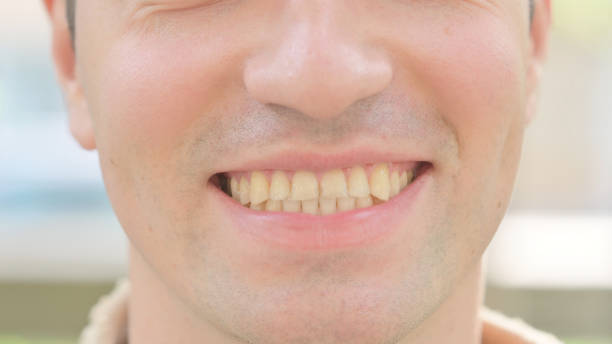
    Tooth discoloration is one of the most common concerns patients bring to dental offices. Stains and changes in color happen for many reasons, and not all of them are caused by poor hygiene. The causes of tooth discoloration can be grouped into two main categories: extrinsic stains that sit on the enamel surface, and intrinsic discoloration that develops inside the tooth.

    Understanding the difference between these causes is important because it helps patients in Portland choose the right whitening solution. Surface stains from coffee or smoking may respond well to professional whitening, while internal discoloration from age, medications, or trauma may require cosmetic treatments like veneers or bonding.

    In this article, Portland dentists explain the most common causes of tooth discoloration, how lifestyle and medical factors affect your smile, when whitening is effective, and when other cosmetic options may be the better choice.

    Everyday Habits That Stain Teeth for Portland Patients

    Daily routines play a major role in the causes of tooth discoloration. What we eat, drink, and inhale can gradually leave pigments on the enamel surface. These are known as extrinsic stains, and while they don’t always indicate poor health, they can dull your smile over time.

    Coffee and tea, staples for many in Portland, are some of the most common culprits. The tannins in these drinks cling to enamel and create yellow or brown stains. Red wine, dark sodas, and richly pigmented foods like berries or tomato sauces can have similar effects. Another factor is smoking or vaping, which exposes teeth to nicotine and tar that lead to deep, stubborn discoloration.

    In addition, inconsistent brushing and flossing allow plaque to accumulate, trapping stain-causing particles against the enamel. Patients who combine staining foods and drinks with inadequate hygiene often see faster and more noticeable changes in tooth color.

    Which foods and drinks stain teeth most in Portland?

    The most stain-causing foods and beverages include coffee, black tea, red wine, soda, dark sauces, and deeply colored fruits like blueberries or cherries. Portland patients who consume these regularly should rinse with water or brush afterward to limit staining.

    Does smoking cause permanent yellow teeth?

    Yes. Smoking not only causes surface stains but also allows pigments to penetrate deeper into the enamel, creating permanent yellowing. Professional whitening can reduce some of the discoloration, but long-term smokers may also require cosmetic solutions such as veneers for a fully restored appearance.

    Medical and Age-Related Causes of Tooth Discoloration

    Not all stains come from food or lifestyle choices. Some causes of tooth discoloration are linked to medical conditions, medications, or natural aging. These types of stains are often intrinsic, meaning they occur inside the tooth and don’t respond as well to standard whitening.

    As we age, enamel naturally becomes thinner. This thinning exposes more of the yellow dentin underneath, making teeth appear darker or more yellow even in patients with excellent oral hygiene. Certain medical treatments, including chemotherapy or radiation, can also change tooth color.

    Medications are another factor. Antibiotics such as tetracycline or doxycycline can cause permanent discoloration if taken while teeth are still developing. Trauma to a tooth may also cause it to darken over time, as the internal pulp changes or blood vessels break down.

    Do antibiotics like tetracycline cause permanent stains?

    Yes. Tetracycline-related stains often appear as gray or brown bands on developing teeth. They are usually permanent and difficult to treat with whitening alone, which is why cosmetic options such as veneers or bonding may be recommended.

    Why do teeth turn gray as we age?

    Over time, enamel wears down, and the dentin inside the tooth becomes more visible. In addition, older teeth can accumulate microcracks that trap pigments, leading to a grayish appearance. This is a natural part of aging and may require professional whitening or cosmetic dentistry for improvement.

    When Whitening May Not Be the Right Option in Portland

    While professional whitening can address many causes of tooth discoloration, it is not always the ideal solution. Some stains are intrinsic, meaning they form inside the tooth structure and cannot be lifted with bleaching agents. Discoloration from medications, trauma, or naturally dark dentin often falls into this category.

    Restorations such as dental crowns, fillings, or veneers also do not respond to whitening treatments. If only natural teeth whiten, the mismatch can make restorations stand out, which is why our dentists in Portland often recommend cosmetic alternatives when patients have mixed discoloration.

    Options like veneers and bonding allow patients to mask resistant stains while improving the shape and alignment of their teeth. These treatments provide a more permanent solution when whitening alone cannot achieve the desired result. Burlingame Dental Arts in Portland, OR frequently helps patients choose between whitening and restorative options to ensure a natural, uniform smile.

    Can veneers fix severe discoloration in Portland?

    Yes. Veneers can completely cover dark or resistant stains, creating a uniform, bright appearance. Many Portland patients with tetracycline stains or trauma-related discoloration choose veneers when whitening is not effective.

    Do dental crowns respond to whitening treatments?

    No. Dental crowns, fillings, and veneers do not change color with whitening. If your crown is discolored, your Portland dentist may recommend replacing it or combining whitening with cosmetic restorations for a balanced look.

    FAQs About Tooth Stains in Portland

    Can genetics cause naturally yellow teeth?

    Yes. Genetics can influence the natural thickness and color of your enamel and dentin. Some patients in Portland are born with slightly yellower teeth, even with excellent oral hygiene, and may benefit from professional whitening for a brighter shade.

    Do braces cause stains or white spots?

    They can. Braces themselves do not stain teeth, but plaque buildup around brackets can lead to white spots or discoloration if brushing and flossing are inconsistent. Professional cleaning and whitening may reduce these stains after orthodontic treatment.

    How can I tell if my stains are extrinsic or intrinsic?

    Extrinsic stains are on the tooth surface and often result from coffee, wine, or smoking. Intrinsic stains form inside the tooth due to aging, trauma, or medication use. Our dentist in Portland can examine your teeth and recommend whether whitening or cosmetic alternatives are best.

    Find the Right Whitening Solution in Portland

    Not all stains are the same, and the right treatment depends on understanding the exact causes of tooth discoloration. While many surface stains can be lifted with professional whitening, deeper or medication-related discoloration may need cosmetic alternatives such as veneers or bonding. Choosing a trusted dental provider ensures you get a safe, tailored solution for your smile.

    At Burlingame Dental Arts in Portland, OR, patients receive expert guidance from experienced dentists who evaluate each case individually. Whether you need in-office whitening, custom take-home trays, or a more advanced cosmetic option, their team provides personalized care designed to restore your confidence. Schedule a consultation in Portland today to find the whitening or cosmetic solution that best fits your needs.


  • Professional Teeth Whitening in Portland, OR: What Patients Should Know

    Professional Teeth Whitening in Portland, OR: What Patients Should Know

    Professional teeth whitening in Portland, OR is very different from DIY options you find at the drugstore. Instead of relying on over-the-counter strips or trendy “whitening hacks,” a licensed dentist uses medical-grade products and safeguards to achieve noticeable, lasting results.

    Patients in Portland often consider whitening before important milestones, whether it’s walking down the aisle, preparing for a job interview, or feeling more confident in everyday interactions. A brighter smile doesn’t just look great, it can also boost self-esteem and make a powerful first impression.

    In this article, we’ll break down everything you need to know about professional teeth whitening in Portland, OR, including why patients choose it, how the in-office process compares to at-home kits, what types of whitening treatments are available, and answers to common patient questions.

    Why Patients in Portland, OR Choose Professional Teeth Whitening

    For many patients in Portland, teeth whitening goes far beyond cosmetic improvement. A whiter smile often translates into greater confidence, which can positively affect both personal and professional interactions. Patients frequently request whitening before big life events such as weddings, class reunions, or graduation ceremonies, when photos and memories will last a lifetime.

    Local professionals also seek whitening before job interviews or important presentations. A confident smile can help set the right tone, showing energy and self-assurance. Unlike temporary or uneven results from store-bought kits, professional whitening in Portland delivers consistent, natural-looking brightness that helps patients feel prepared for any occasion.

    Choosing a trusted dental office in Portland, OR ensures that whitening treatments are safe, tailored to your goals, and monitored for lasting results. Our team at Burlingame Dental Arts understands that every patient’s smile is unique, and they provide personalized care to help you achieve a healthy, confident look.

    How In-Office Whitening in Portland, OR Differs from At-Home Kits

    When it comes to teeth whitening, not all treatments are created equal. Professional whitening in Portland, OR offers clear advantages over at-home products, starting with the strength of the whitening gel. Dentists use prescription-level formulas that deliver faster and more noticeable results compared to over-the-counter strips, toothpastes, or charcoal-based “remedies.”

    Another major difference is safety. In-office whitening is carefully monitored by a dentist who protects your gums and soft tissues from irritation. Custom trays and professional-grade equipment ensure that the whitening agent stays where it belongs, on your teeth, while minimizing sensitivity. Patients also benefit from expert guidance on aftercare, which helps extend results and maintain a healthier smile.

    In contrast, at-home kits may produce uneven results, take longer to show changes, and can sometimes cause gum irritation or tooth sensitivity when used incorrectly. While drugstore products may seem affordable, they rarely provide the same long-lasting, dramatic outcome that professional whitening achieves.

    Is professional whitening safer than over-the-counter kits in Portland, OR?

    Yes. Because treatment is supervised by a licensed dentist, professional whitening in Portland is safer and more predictable than store-bought kits. Gum tissues are protected, and dentists can adjust gel strength to suit your comfort level.

    How much stronger are in-office whitening gels compared to drugstore brands?

    In-office gels used by Portland dentists often contain significantly higher concentrations of whitening agents, up to three times stronger, than what’s legally available in retail kits. This higher strength is why professional whitening produces faster, more noticeable results.

    Do at-home whitening kits last as long as professional results?

    No. Results from whitening strips or toothpaste typically fade within weeks, while professional whitening in Portland can last several months to a year with proper care. Regular dental checkups and cleanings further help extend the brightness of your smile.

    Types of Teeth Whitening Available in Portland, OR

    Patients in Portland have several professional whitening options, each designed to meet different needs and preferences:

    • In-office bleaching – Delivers the fastest results, often brightening teeth by several shades in just one appointment. Dentists apply high-strength whitening gel and protect your gums for safe, effective treatment.
    • Custom take-home trays – Made by your Portland dentist to fit your bite, ensuring even coverage and reduced leakage. Many patients prefer this option for gradual whitening at home under professional supervision.
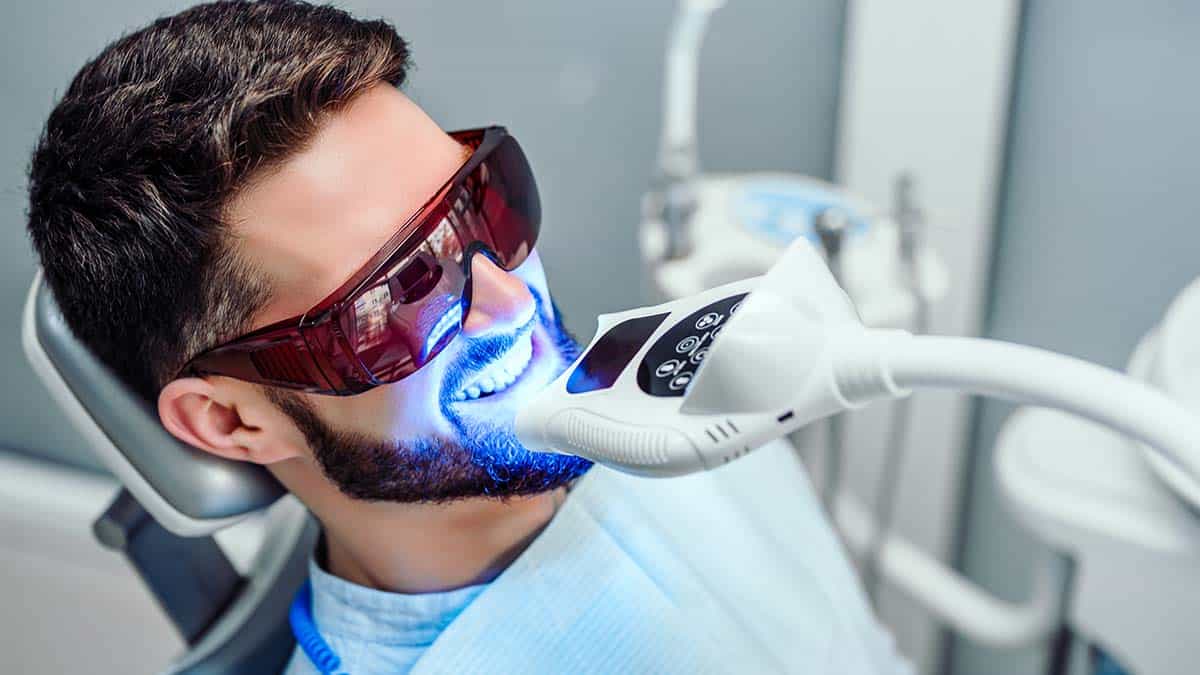
    • Laser whitening – Uses a specialized light to accelerate the bleaching process, producing dramatic results in less time than other methods.
    • Cosmetic alternatives (veneers) – For patients with deep or resistant stains, veneers may provide a permanent way to achieve a bright, uniform smile.

    What is laser teeth whitening and how does it work?

    Laser whitening involves applying a peroxide-based gel to the teeth and activating it with a focused light source. The light speeds up the whitening reaction, breaking down stains more quickly. Many Portland patients see immediate improvement after just one session.

    Are custom trays from a dentist better than whitening strips?

    Yes. Custom trays from a Portland dentist provide a secure fit that keeps the whitening gel in direct contact with teeth while protecting gums. This results in more even whitening compared to strips, which can slip or leave gaps.

    Can whitening toothpaste replace professional treatments?

    No. Whitening toothpaste may help remove surface stains, but it cannot lighten the natural shade of your teeth. Patients in Portland who want noticeable results should consider professional whitening, as toothpaste is best used as a maintenance tool after treatment.

    FAQs About Professional Whitening in Portland, OR

    How long does an in-office whitening session take in Portland, OR?

    Most in-office whitening appointments in Portland take about 60 to 90 minutes. Patients typically see results after just one visit, though follow-up sessions may be recommended for deeper stains.

    Will whitening cause sensitivity?

    Some patients experience temporary tooth sensitivity after whitening. Dentists in Portland, OR often use desensitizing gels or adjust the strength of the whitening agent to keep you comfortable. Sensitivity usually resolves within a few days.

    How often can you safely whiten teeth in Portland, OR?

    It’s best to limit professional whitening treatments to once or twice a year. Over-whitening can weaken enamel or increase sensitivity. Your Portland dentist can recommend a schedule based on your smile goals and oral health.

    Brighten Your Smile with Professional Whitening in Portland, OR

    A whiter, healthier-looking smile is one of the simplest ways to boost your confidence and make a lasting impression. Professional teeth whitening in Portland, OR provides safe, effective, and noticeable results that over-the-counter products can’t match. By choosing expert care, you’ll enjoy personalized treatment, lasting brightness, and the peace of mind that comes with dentist-supervised care.

    At Burlingame Dental Arts in Portland, patients receive tailored whitening solutions backed by years of experience and a commitment to patient comfort. Whether you’re preparing for a special occasion or simply want to refresh your smile, their dental team can help you achieve the results you’re looking for. Schedule a whitening consultation in Portland, OR today and see the difference professional care makes.

  • Veneers vs. Bonding: Portland, OR Expert Comparison

    Veneers vs. Bonding: Portland, OR Expert Comparison

    Dental veneers and composite bonding are two of the most popular cosmetic dentistry treatments offered at Burlingame Dental Arts in Portland, OR. Veneers are thin porcelain shells that cover the front surface of teeth to improve their shape, color, and symmetry. Dental bonding uses a tooth-colored resin material to fix minor imperfections like chips, gaps, or discoloration in a single visit.

    Both options can enhance your smile, but which one is right for you? Choosing between veneers and bonding often comes down to factors like durability, cost, procedure length, aesthetic results, and long-term goals. In this expert comparison, we’ll help Portland, OR patients understand the pros and cons of each treatment so you can make an informed decision alongside our experienced cosmetic dental team.

    Let’s break down veneers vs. bonding to find out which cosmetic solution best suits your smile needs and lifestyle.

    Durability Comparison

    Porcelain veneers last significantly longer than dental bonding due to their material strength and stain resistance. For patients in Portland, OR who want long-term results, veneers often provide a more durable cosmetic solution.

    How long does composite bonding last compared to veneers?

    Composite bonding typically lasts between 3 to 7 years, depending on your oral habits and lifestyle. In contrast, porcelain veneers often last 10 to 15 years or longer with proper care. The difference lies in the materials, composite resin is more porous and prone to wear, while porcelain is highly durable and resists daily damage.

    Several factors affect durability, including:

    • Bite force – Patients with strong bite pressure or teeth grinding (bruxism) may see bonding wear down faster.
    • Diet – Frequent consumption of hard or sticky foods can damage composite bonding more easily than veneers.
    • Oral hygiene – Both options benefit from consistent brushing, flossing, and routine dental cleanings.
    • Lifestyle habits – Nail-biting, chewing ice, or using teeth as tools can crack or dislodge bonding materials.

    Does dental bonding break easily?

    Yes, dental bonding is more vulnerable to chipping and cracking than veneers. While bonding is an excellent solution for minor flaws, it’s not as strong under daily stress. Common causes of damage include chewing on pens, grinding at night, or accidental trauma.

    Porcelain veneers, on the other hand, offer superior durability and are better suited for patients who want a longer-lasting cosmetic fix. Still, they are not indestructible, clenching, grinding, or lack of maintenance can shorten their lifespan too.

    If you’re active, have a strong bite, or are prone to habits like grinding, our dentist in Portland, OR may recommend veneers for a more resilient and lasting solution.

    Cost Analysis

    Dental bonding is generally more affordable than veneers, but veneers provide a longer-lasting return on investment. For patients in Portland, OR comparing costs, the choice often comes down to budget, goals, and how long they want the results to last.

    How much do veneers cost compared to bonding in Portland, OR?

    Porcelain veneers typically cost more than composite bonding due to the use of high-end materials, custom lab work, and the need for multiple visits. Dental bonding, by contrast, is done chairside in a single appointment and uses a less expensive resin material.

    While we don’t quote specific prices here, general cost differences can be explained by:

    Veneers:

    • Require lab fabrication and detailed customization.
    • Involve more time and preparation.
    • Last longer (10–15+ years) with proper care.

    Bonding:

    • Completed in one visit.
    • Ideal for minor touch-ups.
    • Lasts 3–7 years and may require periodic maintenance.

    For small flaws or short-term improvements, bonding is one of the most cost-effective cosmetic options available. Veneers, while more expensive up front, can be more economical over time due to their durability and minimal upkeep.

    Is dental bonding worth it?

    Yes, bonding is worth it for patients who need quick, budget-friendly tooth enhancements. It works especially well for:

    • Small chips or cracks
    • Isolated discoloration
    • Minor gaps
    • Uneven tooth edges

    However, for more noticeable cosmetic change, or for those seeking a complete smile transformation, veneers may offer better value long-term.

    Procedure Differences

    Dental bonding is a faster, non-invasive procedure, while veneers require more preparation and multiple visits. In Portland, OR, patients often choose based on their timeline, comfort preferences, and the complexity of their cosmetic needs.

    Is bonding better than veneers for minor tooth repairs in Portland, OR?

    Yes, bonding is typically better for minor repairs such as small chips, slight discoloration, or narrow gaps. It requires minimal prep and no enamel removal, making it ideal for patients who want same-day results with less commitment.

    The dental bonding procedure involves:

    • Lightly etching the tooth surface
    • Applying a tooth-colored resin
    • Shaping and polishing the material for a natural finish

    Most bonding appointments take under an hour per tooth, and patients can resume normal activities right away. For those looking for quick improvements, bonding is a popular option at our Portland, OR dental office.

    In contrast, veneers require more preparation and are better suited for larger cosmetic changes. The veneer process includes:

    • Enamel removal (usually 0.3–0.5 mm)
    • Taking dental impressions
    • Placement of custom porcelain veneers over two or more visits

    If you need to repair small flaws and prefer a minimally invasive option, bonding may be the right choice. If you’re seeking a full smile makeover or want to dramatically reshape multiple teeth, veneers might offer the better result.

    Can you get veneers after bonding?

    Yes, you can transition from dental bonding to veneers. This is a common pathway for patients who start with bonding but later want a more permanent or refined cosmetic solution.

    Our dentist will evaluate the current bonding, check for structural concerns, and plan for safe removal before placing veneers. The transition process typically involves:

    • Carefully removing old bonding without damaging the tooth.
    • Assessing underlying tooth structure.
    • Taking impressions for custom-fitted porcelain veneers.

    If you’re considering transitioning from bonding to veneers in Portland, OR, our team can guide you through the process to ensure a seamless upgrade in both form and function.

    Aesthetic Results

    Veneers offer a more polished and stain-resistant aesthetic, while bonding provides a quicker fix for minor flaws. For many Portland, OR patients, the choice comes down to how dramatic or long-lasting they want their smile transformation to be.

    Do veneers look better than bonding?

    Yes, veneers typically look better than bonding due to their shine, translucency, and resistance to discoloration. Made from custom-fabricated porcelain, veneers mimic the light-reflecting properties of natural enamel more closely than composite resin.

    Benefits of veneers for aesthetics include:

    • Superior color consistency
    • More natural texture and shine
    • Greater resistance to staining from coffee, wine, or tobacco
    • Better for reshaping or resizing multiple teeth

    Bonding, while more budget-friendly and fast, may appear less lifelike, especially in cases requiring large changes or involving front teeth. Composite resin can dull over time and is more prone to surface staining, especially if patients consume staining beverages frequently.

    Can dental bonding close gaps like veneers?

    Yes, both bonding and veneers can close small gaps, but veneers often deliver a more symmetrical and refined outcome.

    When it comes to minor spacing issues, dental bonding can:

    • Fill narrow gaps between teeth
    • Improve proportions slightly
    • Match natural enamel color

    Veneers, however, are better suited for:

    • Widening undersized teeth (e.g., peg laterals)
    • Creating even spacing across your entire smile
    • Reshaping uneven or irregular teeth for full balance

    If you’re looking to close small gaps or correct uneven teeth in Portland, OR, we’ll help you decide whether bonding or veneers will create the best long-term aesthetic.

    Best Choice Factors

    The best option between veneers and bonding depends on your goals, the severity of the issue, and which teeth are involved. At our Portland, OR dental office, we help patients weigh these factors to determine the ideal cosmetic solution.

    Which is better: veneers or bonding for front teeth in Portland, OR?

    Veneers are typically better for front teeth if long-term aesthetics, stain resistance, and durability are top priorities. Because front teeth are most visible when you smile or speak, many Portland patients choose veneers for their ability to maintain a polished, consistent appearance for years.

    Consider the following:

    Veneers:

    • Ideal for full smile makeovers
    • Highly resistant to stains and wear
    • Maintain shape, color, and shine longer

    Bonding:

    • Better for small fixes or single-tooth enhancements
    • More affordable, but may dull or discolor over time
    • Easier to repair or touch up

    If you’re unsure which treatment is better for front teeth, our cosmetic team can guide you through the decision with personalized recommendations.

    Should I get bonding or veneers for chipped teeth?

    For small chips or minor damage, bonding is often the most efficient and cost-effective solution. However, veneers may be a better choice if:

    • The chip is large or on multiple front teeth
    • You want to improve tooth shape and color at the same time
    • You’re seeking a permanent fix with minimal future maintenance

    For example:

    • A minor chip from chewing on a pen? Bonding can restore it in one visit.
    • A large, jagged chip on a front tooth from a sports injury? Veneers may offer better strength and appearance.

    We regularly fix chipped or damaged teeth for Portland patients using both techniques, depending on their condition and goals.

    Is dental bonding a permanent solution?

    No, dental bonding is not considered permanent and typically requires touch-ups or replacement every few years. Most bonding lasts 3–7 years, but this can vary based on bite pressure, habits, and care.

    In contrast, porcelain veneers involve a long-term commitment. Since veneers require enamel removal, they are considered irreversible, but they typically last 10–15+ years with good care.

    FAQs: Veneers vs. Bonding for Portland, OR Patients

    Which is better, veneers or bonding?

    It depends on your dental goals. Veneers provide a longer-lasting, more polished appearance, making them ideal for patients who want to transform multiple teeth or achieve permanent aesthetic results. Bonding is a more affordable and quicker solution for correcting small flaws like chips, stains, or minor gaps. Our dentist in Portland, OR can help you decide based on your smile goals, budget, and overall oral health.

    What lasts longer, veneers or bonding?

    Veneers typically last 10 to 15 years or more, while bonding lasts around 3 to 7 years. Veneers are crafted from durable porcelain and are less likely to stain or chip over time. Bonding uses a composite resin that’s more susceptible to everyday wear and staining.

    Why do people get veneers instead of composite bonding?

    People often choose veneers for their natural appearance, durability, and stain resistance. Veneers are ideal for complete smile makeovers or fixing multiple cosmetic concerns at once, whereas bonding is better suited for localized improvements. In Portland, many patients opt for veneers when they want a long-term solution with minimal maintenance.

    What’s more expensive, veneers or bonding?

    Veneers are generally more expensive than bonding due to the custom lab work, porcelain materials, and multi-visit process. While bonding offers a more budget-friendly entry point for cosmetic improvements, veneers can be a worthwhile investment if you’re looking for longevity and a flawless smile.

    Which Smile Solution Is Right for You? Let’s Find Out Together

    Dental bonding offers a quick, affordable fix for minor imperfections, while veneers provide a durable, long-lasting upgrade for more comprehensive smile concerns. Both treatments are widely used in Portland, OR, and serve different purposes depending on your needs.

    If you’re looking for a fast, cost-effective way to correct small chips, discoloration, or spacing, bonding may be the ideal starting point. On the other hand, if you want a polished, uniform smile that lasts for over a decade, veneers could be a better investment.

    At Burlingame Dental Arts, our experienced cosmetic team helps patients make informed decisions by evaluating oral health, aesthetic goals, and lifestyle factors. Whether you’re starting small or planning a full smile transformation, we’re here to guide you every step of the way. Schedule your cosmetic consultation in Portland, OR and let’s create a treatment plan that fits you perfectly.

  • Are You a Good Candidate for Veneers? Portland, OR Guide

    Are You a Good Candidate for Veneers? Portland, OR Guide

    As a dentist here at Burlingame Dental Arts in Portland, OR, I often meet patients who want a straighter, brighter, or more uniform smile but aren’t sure if veneers are the right option. Dental veneers are thin, custom-made shells that cover the front surface of teeth to improve shape, color, and overall appearance. They’re one of the most popular cosmetic treatments we provide, but not everyone is a good fit.

    In this guide, I’ll explain who can get dental veneers, what oral health requirements you need to meet, what problems veneers can solve, and how the consultation process works. If you’re exploring veneer candidacy, this resource will help you understand your options and feel more prepared for a dental veneer evaluation.

    Whether you’re dealing with worn enamel, small gaps, discoloration, or uneven teeth, this blog is designed to answer your biggest questions and help you decide if veneers are the right step toward your ideal smile, especially if you’re seeking cosmetic dentistry in Portland.

    Who Can Get Dental Veneers in Portland?

    People with generally healthy teeth and gums, minimal bite issues, and a strong commitment to oral hygiene are typically good candidates for veneers. At Burlingame Dental Arts, we evaluate every case individually, but the most suitable patients share a few key traits. If you’re asking who can get dental veneers, the answer depends on both cosmetic goals and oral health status.

    Who is a good candidate for veneers?

    Veneers work best for individuals with:

    • Stains or discoloration that don’t respond to whitening
    • Minor chips or cracks in the enamel
    • Slightly misaligned, uneven, or irregularly shaped teeth
    • Gaps between front teeth
    • Good oral hygiene habits and healthy gums

    These issues can be effectively masked with smile-enhancing porcelain veneers, which we custom-create to match your natural smile.

    Can anyone get dental veneers?

    Not everyone qualifies. Patients with active gum disease, significant tooth decay, or those who grind their teeth heavily may not be ideal candidates until these concerns are addressed. That’s why we perform a thorough dental veneer evaluation during your consultation to determine if veneers are right for you, or if you may need periodontal therapy to treat gum disease before cosmetic treatment.

    Who should not get dental veneers?

    You may not qualify for veneers if you:

    • Have untreated gum disease or tooth decay
    • Lack sufficient enamel (veneers require light shaping)
    • Have severe bite misalignment or jaw issues
    • Frequently grind or clench your teeth (bruxism)

    If veneers aren’t the right fit, we may recommend alternatives like restorative dentistry options such as full and partial dentures or implant-retained dentures for added stability depending on your needs.

    What Are the Oral Health Requirements for Veneers?

    You must have a healthy foundation before getting veneers. At Burlingame Dental Arts, I always check for gum health, tooth structure, and underlying issues before moving forward with any cosmetic work. Meeting these teeth veneer requirements helps ensure long-lasting results and prevents complications later.

    Do you need healthy teeth and gums before getting veneers?

    Yes. You should have no active cavities, gum disease, or untreated infections. Veneers don’t treat underlying problems, they cover the surface of your teeth. If decay or inflammation exists beneath a veneer, it can lead to discomfort, failure of the veneer, or the need for more extensive treatment later on.

    Can you get veneers if you have dental implants or gum issues?

    Veneers can’t be placed on dental implants because veneers bond to natural enamel, not artificial tooth structures. If you have implants in one area but want veneers on your remaining natural teeth, we can discuss a mixed approach during your dental veneer evaluation.

    Gum disease must be treated first. For Portland patients with gingivitis or early-stage periodontitis, we typically provide periodontal therapy to resolve inflammation before placing veneers.

    Do veneers damage your teeth or gums?

    No, veneers don’t harm your teeth when placed properly. A small amount of enamel is removed to fit the veneer, but this is carefully planned and minimal. We’ll review everything during your consultation to ensure you’re comfortable and informed.

    What Issues Do Veneers Fix?

    Dental veneers are designed to improve the visible surface of teeth, making them ideal for a wide range of cosmetic concerns. At Burlingame Dental Arts in Portland, we recommend veneers for patients who want to enhance their smile without extensive orthodontic or restorative procedures.

    What problems can veneers improve?

    Veneers can effectively address:

    • Deep stains or discoloration that whitening can’t correct
    • Small chips or fractures
    • Minor misalignment or uneven edges
    • Teeth that appear too short or small
    • Gaps between front teeth

    These are considered ideal use cases for veneers because the underlying tooth structure is still strong, but the appearance needs improvement.

    Can veneers straighten crooked or gapped teeth?

    Veneers can give the appearance of straighter teeth, especially for patients with minor crowding or small gaps. However, they don’t actually move teeth like braces or aligners do. If your teeth need realignment, we may recommend orthodontic treatment first before placing veneers.

    Are veneers used for cosmetic or functional reasons?

    Veneers are primarily cosmetic. They improve the look of your teeth but aren’t meant to fix bite problems or replace missing teeth. For functional repairs, we might explore our cosmetic dentistry or implant-retained dentures depending on the issue. Your veneer candidacy will depend on your goals, enamel condition, and overall oral health.

    Are There Alternatives to Veneers in Portland?

    Not every patient is a perfect match for veneers. At Burlingame Dental Arts, we want you to explore all your options before making a decision. If you’re not a candidate for veneers or are looking for a more affordable or reversible solution, there are several alternatives we can discuss during your consultation.

    What are the alternatives to dental veneers?

    We may recommend the following based on your oral health and cosmetic goals:

    • Dental bonding: A tooth-colored resin is applied to reshape or repair teeth. It’s less invasive than veneers but not as long-lasting.
    • Teeth whitening: If your main concern is discoloration, professional whitening may give you the results you want without altering your teeth.
    • Orthodontic treatment: Clear aligners or braces can correct alignment issues that veneers only mask.

    Each option has different benefits, timelines, and costs. We’ll help you compare them during your dental veneer evaluation.

    Is dental bonding cheaper or better than veneers?

    Dental bonding is usually more affordable and requires no enamel removal. However, it doesn’t last as long and is more prone to staining or chipping. Veneers offer a more durable and natural-looking result for many patients in Portland.

    How do veneers compare to crowns or dental implants?

    Veneers cover only the front of the tooth, while crowns encase the entire tooth. Dental crowns are used when there’s more structural damage. Dental implants replace missing teeth entirely, which veneers cannot do. These restorative options are ideal when veneers aren’t appropriate.

    What to Expect During a Veneer Consultation in Portland

    At Burlingame Dental Arts, we guide you through every step of the veneer process. If you’re wondering how to start the dental veneer evaluation, it begins with a personalized consultation. This helps us understand your goals and determine whether veneers are the best solution.

    What is the process for getting veneers?

    Here’s what you can expect:

    1. Initial evaluation: We examine your teeth, take digital scans, and review your smile goals.
    2. Treatment planning: If you’re a good candidate, we’ll design a custom treatment plan including veneer shape, size, and shade.
    3. Tooth preparation: A small amount of enamel is removed from each tooth to make room for the veneer.
    4. Temporary veneers: We place temporary veneers while your permanent ones are being crafted.
    5. Final placement: Once your custom veneers are ready, we bond them to your teeth and make final adjustments.

    We may also discuss CEREC same-day crowns if your case involves deeper structural damage that veneers alone can’t address.

    How long does it take to get dental veneers?

    Most cases take 2 to 3 appointments over a few weeks. The first visit involves planning and prep, and the second is the final placement. If you need periodontal or restorative work first, that timeline may be extended.

    How long do veneers last and can they be replaced?

    With proper care, veneers typically last 10 to 15 years. They can be replaced when worn down or damaged. Avoiding habits like nail biting or grinding helps preserve their lifespan.

    What should I ask during my veneer consultation?

    Ask about your candidacy, the materials used, expected results, aftercare, and long-term maintenance. We’re here to provide honest answers based on your specific case.

    Common Questions About Dental Veneers in Portland, OR

    Do veneers hurt?

    Veneers do not typically hurt. Most patients experience little to no discomfort during the procedure, especially since we use local anesthesia when needed. Some mild sensitivity may occur after enamel preparation, but it usually subsides quickly.

    Are veneers covered by insurance?

    Most dental insurance plans consider veneers a cosmetic treatment and don’t offer coverage. However, in rare cases where veneers are used to restore a damaged tooth, partial coverage may apply. We’ll help you review your benefits.

    Does Delta Dental cover veneers?

    Delta Dental may cover veneers only if they’re deemed medically necessary. Cosmetic-only veneers are usually excluded. We encourage Portland patients to check with their plan or bring their insurance details to their consultation.

    Do dental veneers stain?

    Porcelain veneers are highly stain-resistant. Unlike natural enamel, they don’t absorb pigments easily. Still, good oral hygiene and avoiding staining agents like coffee or tobacco help maintain brightness.

    How long do dental veneers last?

    With proper care, veneers typically last between 10 and 15 years. Daily brushing, flossing, and routine checkups are key to preserving their appearance and function.

    Is Getting Veneers in Portland Right for You?

    Dental veneers offer a long-lasting, natural-looking way to improve your smile, especially for patients with healthy teeth and minor cosmetic concerns. In this guide, we covered who qualifies, the oral health requirements, the problems veneers can fix, and what to expect from the consultation process. If you’re still wondering who can get dental veneers, the answer depends on your individual case, which we’ll evaluate thoroughly.

    Schedule Your Veneer Consultation in Portland, OR

    If you’re ready to explore dental veneers, schedule a personalized consultation at Burlingame Dental Arts in Portland. We’ll assess your smile, review your veneer candidacy, and guide you through every step, from design to placement. Whether you want a subtle improvement or a full smile transformation, we’re here to help you achieve the results you’re looking for.

  • What to Expect: Getting Veneers in Portland, OR

    What to Expect: Getting Veneers in Portland, OR

    At Burlingame Dental Arts, we help patients in Portland, OR achieve long-lasting, confident smiles through personalized veneer treatment. If you’re considering veneers to correct discoloration, chipped teeth, or gaps, understanding the dental veneer procedure steps is key to setting expectations and reducing anxiety.

    This guide outlines each stage of the veneer placement process, from your first consultation to final recovery, so you’ll know exactly what to expect. We also answer common questions about tooth preparation for veneers, temporary fittings, insurance, and more. Whether you want one veneer or a full smile makeover, our team is here to walk you through every step with clarity and comfort.

    What Are Dental Veneers and How Do They Work?

    Dental veneers are thin, custom-made shells, typically porcelain, that bond to the front surfaces of your teeth to improve their shape, color, and alignment. Veneers can address minor imperfections while maintaining the structure of your natural teeth.

    The dental veneer procedure steps include:

    • An initial consultation to assess your goals and oral health
    • Tooth preparation to ensure proper bonding
    • Temporary veneers while we craft your permanent ones
    • Final placement and polishing
    • Post-treatment care and follow-up

    Porcelain is the most common material because it’s stain-resistant and mimics the translucency of enamel. Composite veneers are also available but may not last as long.

    We often recommend veneers as part of our broader cosmetic dentistry services, especially for patients who want a natural look with minimal intervention. Veneers are custom-colored and shaped for your smile, offering both aesthetic and functional improvements.

    Patients in Portland frequently ask, “How do veneers work?” The answer is simple: they restore appearance and function using strong, permanent materials that blend seamlessly with your teeth. Once placed, veneers provide long-lasting beauty with proper care.

    What Happens During the Initial Veneer Consultation in Portland?

    The initial consultation is the first step in the dental veneer procedure. At our Portland office, we use this visit to assess whether veneers are the right solution for your smile goals and oral health needs.

    During your appointment at Burlingame Dental Arts, we:

    • Review your dental history and perform a comprehensive oral exam
    • Take digital X-rays or scans to evaluate your teeth and gums
    • Discuss your cosmetic concerns, expectations, and budget
    • Explain the veneer placement process and potential outcomes

    If you’re wondering whether you’re a good candidate for veneers, here are a few key requirements:

    • Healthy teeth and gums (free of decay or gum disease)
    • No active teeth grinding unless managed with a nightguard
    • Adequate tooth enamel for bonding
    • Realistic expectations about results and maintenance

    Many Portland patients ask if veneers are painful to get. The procedure is generally painless. We use local anesthetic during tooth preparation to keep you comfortable. You’ll be awake the entire time, and there’s minimal discomfort afterward.

    We also review treatment options that may complement or support your veneers. For instance, if you have worn or missing teeth, we may discuss restorative options like full and partial dentures as part of your broader care plan.

    How Are Teeth Prepared for Veneers?

    Tooth preparation is one of the most important dental veneer procedure steps. This stage ensures that the veneers fit properly and look natural once bonded. At Burlingame Dental Arts in Portland, we take a conservative approach to preserve as much of your natural tooth structure as possible.

    During the preparation appointment:

    • We gently remove a thin layer of enamel, typically 0.3 to 0.5 millimeters, from the front surface of each tooth
    • We take precise digital impressions or scans to design your custom veneers
    • We place temporary veneers to protect your teeth while your permanent ones are being crafted

    The entire tooth preparation for veneers typically takes about 1–2 hours, depending on how many veneers you’re receiving. We use local anesthetic to ensure you feel comfortable throughout the process.

    Some patients ask, “Do you get veneers in one day?” While same-day options exist in limited cases, most patients require 1–2 weeks between preparation and final placement. This allows us to deliver high-quality, lab-fabricated veneers with excellent fit and color.

    For cases that require additional support or restoration, we may also incorporate CEREC same-day crowns technology to restore adjacent teeth or strengthen the bite.

    You’ll leave this appointment with temporary veneers that look and function like the final version. These temporaries allow you to “test drive” your new smile while your permanent veneers are being made.

    What Should You Know About Temporary Veneers in Portland?

    Temporary veneers serve as a short-term solution while your permanent veneers are being crafted in the lab. At Burlingame Dental Arts in Portland, we place custom temporaries immediately after preparing your teeth to protect them and maintain appearance.

    Here’s what to expect with temporary veneers:

    • They are made of acrylic or composite resin and shaped to resemble your final veneers
    • They help reduce tooth sensitivity and maintain function while you wait
    • You’ll wear them for approximately 1 to 2 weeks

    While temporary veneers are not as durable as porcelain, they allow you to preview your smile and adjust to the feel of veneers. During this time, we recommend eating softer foods and avoiding extremely hot, cold, or sticky items to prevent damage.

    It’s normal to feel slight sensitivity or tightness during this stage, but discomfort should be minimal. If you have any issues, our team is available to make adjustments as needed.

    This step is essential in the full veneer placement process, it gives you and our team an opportunity to assess aesthetics and function before final bonding. We’ll schedule your return visit for final veneer placement once your permanent veneers are ready.

    What Happens During the Final Veneer Placement?

    Final veneer placement is the most exciting step of the dental veneer procedure. At Burlingame Dental Arts in Portland, we ensure that each veneer fits perfectly, feels comfortable, and looks completely natural before we bond it in place.

    The final appointment includes the following:

    • Removing your temporary veneers and cleaning the teeth
    • Trying on each permanent veneer for fit, shape, and color
    • Making any needed adjustments before bonding
    • Using a special dental adhesive and curing light to permanently secure the veneers

    This visit usually takes 1–2 hours, depending on how many veneers are being placed. Once bonded, your veneers are polished and checked for proper bite alignment.

    Patients often ask about the getting veneers timeline. Typically, the entire process, from consultation to final placement, takes 2 to 3 weeks, with 2–3 visits to our Portland dental office.

    We take time during this step to ensure every detail matches your expectations. If you have any concerns about shape or color, we’ll address them before bonding. Our goal is to make sure your veneers blend seamlessly with your smile and function naturally.

    After placement, you’ll receive care instructions and a follow-up appointment to monitor your results. Veneers are now part of your permanent smile and should feel like your natural teeth.

    What Is the Recovery Period Like After Getting Veneers?

    The recovery period after veneer placement is typically short and straightforward. Most patients at our Portland office return to normal activities the same day. However, mild sensitivity and tissue tenderness are common for a few days following the procedure.

    Here’s what to expect after the final veneer appointment:

    • Minor soreness in the gums or jaw (manageable with over-the-counter pain relievers)
    • Slight sensitivity to hot or cold foods for 1–2 weeks
    • A short adjustment period while chewing and speaking

    You can eat normally once the anesthetic wears off, but we advise avoiding very hard, sticky, or crunchy foods for the first 48 hours. This gives the bonding cement time to fully set. Long-term, you should avoid biting directly into ice, hard candy, or pens to prevent damage.

    For best results, we recommend:

    • Brushing twice daily with a non-abrasive fluoride toothpaste
    • Flossing carefully around the margins of your veneers
    • Wearing a nightguard if you clench or grind your teeth
    • Visiting us regularly for cleanings and ongoing general dentistry care

    Patients often ask, “How long do veneers last?” With proper care, porcelain veneers can last 10–15 years or longer. We’ll review your home care habits and monitor your veneers during routine exams to help extend their lifespan.

    If you ever notice a veneer loosening or chipping, contact our Portland team promptly. Early attention can often prevent the need for replacement.

    How Much Do Dental Veneers Cost in Portland, OR?

    The cost of dental veneers in Portland, OR can vary based on the number of veneers, material type, and any additional treatments required to support your overall dental health. At Burlingame Dental Arts, we provide transparent pricing and personalized treatment plans to help you plan with confidence.

    On average, porcelain veneers may range from $1,000 to $2,000 per tooth. Composite veneers typically cost less but may not last as long. During your consultation, we’ll provide a detailed estimate tailored to your specific goals and case.

    Many patients ask if veneers are covered by insurance. Since veneers are classified as cosmetic, most dental plans do not include them in standard coverage. However, if veneers are placed for functional or restorative reasons, some plans may offer partial reimbursement.

    We encourage you to bring your insurance details so our team can check benefits and explain coverage. We work with multiple providers, including Delta Dental, and will clarify if dental implant consultations or other services may be included under your plan.

    For patients looking for affordability, we also offer financing options. Payment plans can help make the cost of veneers more manageable, especially if you’re undergoing multiple cosmetic or restorative procedures.

    Every smile is different, and we’re happy to walk you through your choices so you can decide what works best for your goals, health, and budget.

    Common Questions About Veneers in Portland, OR

    How do veneers work?

    Veneers work by covering the front surface of your natural teeth with thin, custom-made shells, usually porcelain, to improve shape, color, and alignment. They’re permanently bonded to the teeth and provide both cosmetic enhancement and long-term durability.

    Are veneers covered by insurance?

    Most dental insurance plans don’t cover veneers since they’re considered elective cosmetic procedures. However, some plans may offer limited coverage if veneers are placed for restorative purposes. Our team can help verify your benefits during your consultation.

    Are veneers worth it?

    For many patients, veneers are a worthwhile investment in their smile and self-confidence. Veneers offer long-lasting, low-maintenance results and are ideal for correcting chips, stains, spacing, and uneven shapes.

    Do dental veneers stain?

    Porcelain veneers are highly stain-resistant and won’t discolor like natural enamel. Composite veneers are more porous and can stain over time, but proper brushing and regular dental cleanings help maintain their appearance.

    Can veneers get cavities?

    Veneers themselves cannot get cavities, but the natural teeth underneath still can. Maintaining good oral hygiene, brushing, flossing, and routine checkups, is essential to protect your teeth and the longevity of your veneers.

    Feel More Confident About the Veneer Process

    Now that you understand the full dental veneer procedure steps, from the initial consultation and tooth preparation to veneer placement and recovery, you can feel more confident about starting your smile transformation. At Burlingame Dental Arts, we take a personalized and gentle approach to help Portland patients achieve beautiful, natural-looking results that last.

    Whether you’re correcting discoloration, chips, or uneven teeth, veneers offer a long-term solution with minimal maintenance. Our team is here to guide you through every stage with clarity, comfort, and expert care.

    Ready to explore veneers in Portland, OR?

    Schedule a consultation at Burlingame Dental Arts to learn if veneers are the right fit for your smile. We’ll walk you through your options, explain costs and timelines, and help you create a treatment plan that reflects your goals and lifestyle.

  • What Is a Bad Bite? 

    What Is a Bad Bite? 

    You may have heard your dentist in Portland talk to you about your bite. But what exactly are they talking about? What’s the difference between a good bite and a bad bite? Why does your bite even matter? Let’s take a look. 

    All About Your Bite 

    When your dentist in Portland talks to you about your bite, they’re referring to how your upper and lower teeth come together. When someone has a “bad bite,” also called malocclusion, it means the top and bottom teeth don’t fit together properly, or sometimes don’t meet together at all. A bad bite can lead to both developmental problems and increase the risk of certain dental conditions. 

    Types of Bite Conditions

    Several different types of bite conditions can affect both children and adults. While each one is unique, they can all contribute to various dental and overall health problems. Some bite problems can make it difficult to properly remove bacteria and plaque from teeth through brushing and flossing. Many bites are the result of genetics, but other factors can also create a bite condition.

    • Underbite

    An underbite occurs when the lower teeth overlap the upper teeth. This can appear as if the jaw is pushing forward. Untreated underbites can cause unnatural and unnecessary stress on the jaw and can increase the risk of tooth wear. In adulthood, dental injuries are one of the most common causes of a new underbite. In kids, thumbsucking and pacifier use can create an underbite. 

    • Overbite

    The opposite of an underbite is an overbite. Overbites occur when the top teeth stick out over the bottom teeth and are often recognized by their “buck teeth” appearance. These protruding teeth are more susceptible to breaking and can make it hard for the mouth to fully close. This could lead to dry mouth and, as a result, an increased risk of tooth decay and bad breath. An overbite can also be caused by thumbsucking and pacifier use as well as nail biting, tooth grinding, or when the tongue continually presses against the teeth. 

    • Crossbite

    One of the more complicated bite conditions is a crossbite. A crossbite is noticeable when one top tooth or a group of top teeth falls inside the lower teeth. This can happen to front teeth or back teeth and is caused by misalignment of the teeth or bone. A crossbite can shift the jaw so that more pressure is placed on one site. This can result in jaw pain. Crossbites can also increase the risk of enamel erosion.

    • Open Bite

    When you bite down on your back teeth and front teeth don’t touch or overlap is known as an open bite. This can happen when a child sucks their thumb or uses a pacifier for too long, when someone pushes their tongue against their front teeth repeatedly over time, or if they breathe out of their mouth. An overbite could cause speech problems as well as difficulty swallowing. 

    Most bite conditions will not correct themselves on their own, and many tend to get worse over time. So if your dentist in Portland has expressed concern over your bite, talk to them about your treatment options. Once a bite is corrected and the teeth line up the way they should, it can make taking care of teeth easier, relieve or prevent jaw problems, and allow for proper speech and chewing.

  • How Can I Change the Way My Teeth Look?  

    How Can I Change the Way My Teeth Look?  

    Your smile is one of the first things people notice about you. In fact, according to the American Academy of Cosmetic Dentistry, more than 99% of adults see a smile as an important social asset, and more than 70% believe that an unattractive smile can have negative effects on someone’s success. So what do you do if you don’t like the way your teeth look or are self-conscious about your smile? You look to your dentist in Portland for cosmetic dentistry. 

    Cosmetic Dentistry

    Cosmetic dentistry may seem as if it’s only reserved for a select few. But nothing could be farther from the truth. Cosmetic dentistry can range from quick and affordable solutions to complete smile makeovers. What’s best for you can vary depending on your needs and wants. If you’re considering cosmetic dentistry, start by reading the following treatments, then talk to your dentist in Portland to find the solution that fits you. 

    Smile Whitening

    Getting a whiter smile is one of the most common desires of people throughout the United States. The good news is that whitening treatments have become more accessible and can be purchased online or at your favorite department store. The bad news is that not all of these whitening solutions can give you the results you want. In order to find the best way to whiten your teeth is to talk to your dentist in Portland before you embark on a DIY approach. 

    Porcelain Veneers

    Whether you have tooth staining that can’t be resolved through smile whitening treatments or you want to change the shape, size, or length of your teeth, porcelain veneers may be right for you. Veneers are thin pieces of porcelain that are custom-made to fit your ideal shade, size, and shape in order to blend into your natural smile. Your dentist will need to remove a small layer of natural tooth enamel in order to make room for the veneer, but after the veneer is applied, the result is permanent. 

    Dental Bonding

    If veneers aren’t right for you, your dentist in Portland may recommend an even easier way to change the size, shape, or color of your teeth. Bonding is a quick treatment that can often be completed in 30-60 minutes, but the results can last a lifetime. Your dentist will apply tooth-colored resin and sculpt it to form a seamless appearance. The resin is then hardened by UV light. 

    If you’re feeling self-conscious about your smile, know that there are a variety of cosmetic dentistry options available to transform your teeth. The best place to start is by scheduling a consultation with your dentist so you can better understand the options that are available to you.