Author: admin

  • Understanding Dental Bridge Costs in Portland, OR

    Understanding Dental Bridge Costs in Portland, OR

    Dental bridges offer a reliable way to replace missing teeth and restore your ability to chew and speak comfortably. If you’re wondering how much a dental bridge costs in Portland, OR, you’re not alone. At Burlingame Dental Arts, we help patients every day understand their options and make confident decisions about their oral health.

    The cost of a dental bridge can vary widely depending on several factors, including the type of bridge, the number of teeth involved, and whether or not you have dental insurance. This guide breaks down all the variables so you can get a clearer picture of bridge pricing in Portland and make the best choice for your smile.

    How Much Does a Dental Bridge Cost in Portland, OR? 

    A dental bridge in Portland typically costs between $2,000 and $5,000 per unit. The final cost depends on the type of bridge and how many units are needed to fill the gap.

    • Traditional bridge: $2,000–$3,000 per unit
    • Cantilever bridge: $2,000–$2,700 per unit
    • Maryland bridge: $1,500–$2,500 per unit
    • Implant-supported bridge: $4,000–$15,000 for a multi-unit span

    Patients should also consider associated costs like x-rays, impressions, and consultations. Burlingame Dental Arts provides clear estimates upfront so you know what to expect before treatment begins.

    For more complex cases, we may recommend different types of dental bridges that include bridges, or implants.

    What Affects the Cost of a Dental Bridge?

    Several key factors influence how much a dental bridge costs:

    • Type of Bridge:
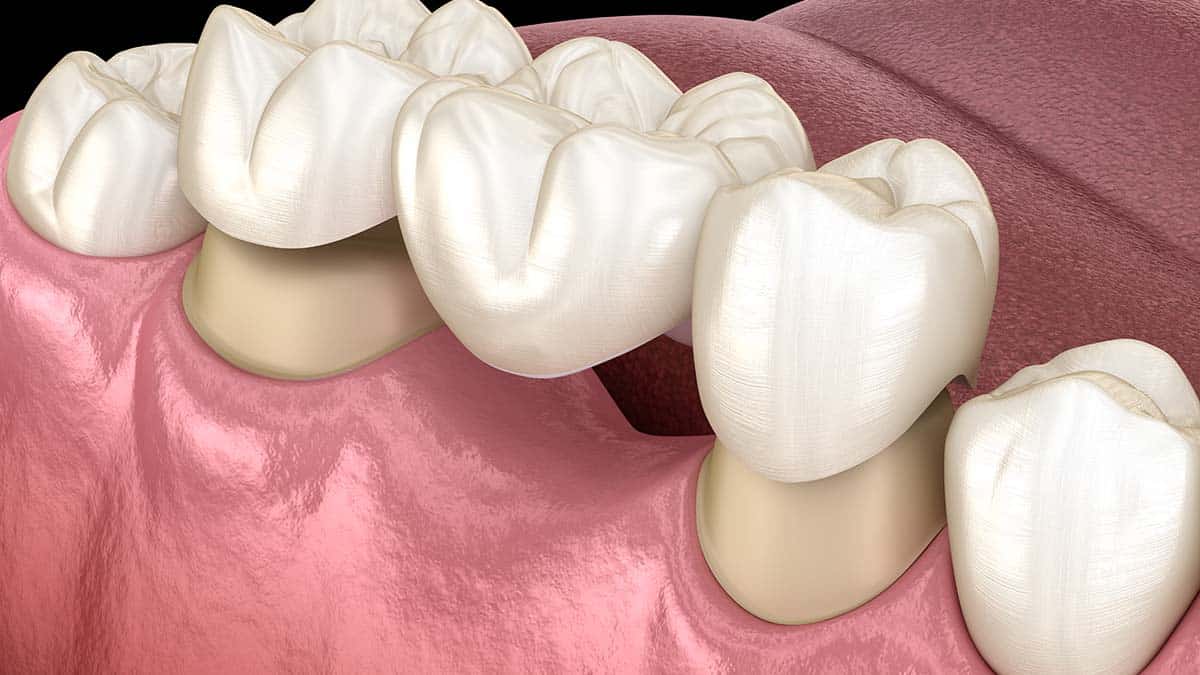
      • Traditional bridges use two crowns to support a pontic.
      • Cantilever bridges rely on one anchor tooth.
      • Maryland bridges use metal or porcelain wings.
      • Implant-supported bridges are secured to dental implants.
    • Number of Teeth Missing: More units mean more materials and lab work, which increases the cost.
    • Materials Used:
      • Porcelain-fused-to-metal (PFM): Durable, mid-range cost
      • All-ceramic/zirconia: Highly aesthetic, higher cost
      • Metal-only: Lower cost, less aesthetic
    • Location of the Dental Office: Dental bridge pricing can vary by region. In Portland, OR, patients benefit from access to a wide range of options and providers.
    • Experience of the Provider: A skilled prosthodontist or general dentist with restorative experience may charge more for higher-quality outcomes.

    If you’re also considering more permanent tooth replacement solutions, our dental implants in Portland offer unmatched stability and function.

    How Much Does a Dental Bridge Cost Without Insurance in Portland, OR?

    Without insurance, the full out-of-pocket cost for a dental bridge in Portland typically ranges from $2,000 to $5,000 per unit.

    We understand that not every patient has insurance, so at Burlingame Dental Arts, we offer flexible dental bridge financing options to make treatment more affordable:

    • In-house payment plans
    • Third-party financing 

    How Much Does a Dental Bridge Cost With Insurance in Portland, OR?

    Most dental insurance plans cover 50% of bridge costs after meeting your deductible. With insurance, the cost of a 3-unit bridge in Portland may drop to $1,200–$2,000 out-of-pocket.

    At Burlingame Dental Arts, we work directly with most PPO insurance plans and help patients verify their benefits before beginning treatment. We can help you:

    • Confirm annual maximums
    • Understand pre-authorization requirements
    • Estimate your share of the cost

    What Does a Dental Bridge Cost Based on the Number of Teeth? 

    The number of teeth you need to replace has a major impact on the final cost:

    • One Tooth: $1,500–$2,500 for a single pontic with supporting crowns
    • Three Teeth: $3,000–$5,000 for a 3-unit bridge
    • Four Teeth: $4,000–$6,000 for a 4-unit span
    • Full Arch: $10,000–$15,000 depending on method and materials
    • Partial Dental Bridge: $1,500–$4,000 depending on remaining teeth

    Our team evaluates your needs to provide an accurate quote based on how many teeth you’re replacing.

    What Do Special Types of Dental Bridges Cost in Portland, OR?

    Some bridges are more specialized and can affect overall cost:

    • Maryland Bridge: $1,500–$2,500
      • Lower cost, often used for front teeth
      • Less durable than traditional bridges
    • Temporary Dental Bridge: $500–$1,000
      • Used during healing or lab fabrication
      • Typically not covered by insurance
    • Dental Implant Bridge: $4,000–$15,000
      • Higher upfront cost, longer-lasting solution
      • Ideal for replacing multiple teeth without harming adjacent teeth

    At Burlingame Dental Arts, we’ll review all options to match your needs and budget.

    What If You Need to Replace or Remove a Dental Bridge?

    Replacing or removing a dental bridge typically costs between $500 and $1,200, depending on complexity.

    If your existing bridge is failing or no longer fits properly, our team can:

    • Evaluate your current restoration
    • Recommend replacement materials or methods
    • Provide temporary solutions during the transition

    How Do Dental Bridge Costs in Portland Compare to Other Places?

    Portland dental bridge prices are competitive when compared to national averages. Here’s how costs stack up:

    • California: Often $300–$700 more per unit
    • Florida: Similar to Portland
    • Mexico/Turkey: Lower costs, but less follow-up care

    While dental tourism may seem cost-effective, local care ensures consistent follow-up and better long-term outcomes.

    Are There Affordable Dental Bridge Options in Portland, OR? 

    Yes, and we’re happy to help you find the right fit at Burlingame Dental Arts. Affordable dental bridges are available through:

    • Dental schools offering discounted procedures
    • Clinics like Aspen Dental ($1,800–$3,000 range)
    • Our flexible financing plans

    You can explore our full range of restorative options in Portland on our website.

    Common Questions About Dental Bridge Costs

    How much does a bridge cost per tooth?

    The average cost per tooth in a dental bridge ranges from $700 to $1,000. However, most bridges are placed as a multi-unit structure, so pricing is typically calculated per unit or span rather than per individual tooth.

    How much does a bridge cost for 2 teeth?

    A 2-unit bridge can cost between $2,000 and $3,500, depending on the type of bridge, materials used, and whether insurance covers part of the cost.

    Are dental bridges worth it?

    Yes, dental bridges restore function, prevent shifting of remaining teeth, and improve your ability to speak and eat. They are a long-term investment in your oral health and typically last 5–15 years with proper care.

    What is the cheapest type of dental bridge?

    Maryland bridges are often the most affordable, ranging from $1,500 to $2,500. They require less prep work but may not be suitable for back teeth or high-bite-pressure areas.

    How long do bridge teeth last?

    Dental bridges usually last between 5 and 15 years. With excellent oral hygiene and regular dental checkups, some bridges can last over 20 years.

    Choosing the Right Dental Bridge for Your Budget 

    The cost of dental bridges depends on several factors, but with the right guidance, you can find a solution that fits your needs and budget. In Portland, patients have access to a wide range of bridge types, materials, and payment options.

    At Burlingame Dental Arts, we combine experience, transparency, and compassionate care to help you restore your smile with confidence.

    Schedule a personalized consultation at our Portland office to explore the best dental bridge option for your smile and budget. Our team at Burlingame Dental Arts is here to guide you through every step, from cost estimates to long-term care.
  • How Long Do Dental Bridges Last? Portland, OR Expert Guide

    How Long Do Dental Bridges Last? Portland, OR Expert Guide

    Dental bridges are one of the most reliable and time-tested solutions for replacing missing teeth. At Burlingame Dental Arts here in Portland, OR, I frequently speak with patients who want to know how long their dental bridge will last, and how to make it last longer. The truth is, a bridge’s lifespan depends on several factors, from the materials used to how well you care for it at home. In this guide, I’ll walk you through everything you need to know about the lifespan of dental bridges, signs of wear, and what you can do to protect your investment.

    What Is the Average Lifespan of a Dental Bridge?

    A dental bridge typically lasts between 5 and 15 years, but with great care, some patients in Portland have maintained their bridge for over 20 years. The type of bridge and how it’s supported play a major role in determining its longevity.

    How long does a dental bridge typically last?

    Most traditional dental bridges made from porcelain-fused-to-metal last around 10 to 15 years. With good oral hygiene and routine checkups, we often see Portland patients go beyond the 15-year mark. However, if a bridge is neglected or improperly placed, it can fail much sooner.

    What is the lifespan of a dental implant bridge vs. a traditional bridge?

    Implant-supported bridges typically last longer than traditional bridges. That’s because the implants themselves prevent bone loss and offer a more stable foundation. In many cases, implant bridges can last 20 years or more, especially when paired with strong materials like zirconia.

    At Burlingame Dental Arts, we provide dental bridge options tailored to your needs to help restore your smile and support long-term function.

    What Factors Affect How Long a Dental Bridge Lasts?

    Several variables determine the longevity of your dental bridge. Understanding these factors can help you make better decisions and extend your bridge’s lifespan.

    Does the dental bridge material matter?

    Absolutely. Bridges made from stronger materials like zirconia and porcelain-fused-to-metal generally last longer. All-ceramic bridges may offer better aesthetics but are slightly less durable under pressure.

    How does oral hygiene impact bridge longevity in Portland?

    Poor hygiene is one of the leading causes of bridge failure. Food and bacteria can accumulate under the pontic (the artificial tooth), leading to gum disease or decay of the supporting teeth. At Burlingame Dental Arts, we recommend daily flossing with a floss threader or using a water flosser to keep the area clean.

    Can lifestyle habits like diet or teeth grinding shorten the lifespan?

    Yes, eating hard or sticky foods and grinding your teeth (bruxism) can accelerate wear. Portland patients who clench or grind their teeth at night should consider a custom nightguard to protect both their natural teeth and dental work.

    Additional factors that influence lifespan:

    • Gum health and bone support
    • Smoking or tobacco use
    • Frequency of dental checkups

    If you’re considering restorative options in Portland like dental bridges and crowns, we always recommend discussing lifestyle and health habits to personalize your care.

    How Do You Know When a Dental Bridge Needs Replacing?

    Recognizing early signs of bridge failure can help prevent more serious issues like tooth decay or gum damage.

    What are signs your bridge is failing?

    Common warning signs include:

    • Sensitivity or pain near the bridge
    • A loose or shifting feeling
    • Visible gaps between the bridge and gum line
    • Chipping or worn surfaces
    • Bad breath or a bad taste (could indicate infection)

    When should Portland patients consider replacement?

    If your bridge is more than 10–15 years old or showing any of the symptoms above, it’s time for a full evaluation. We’ll check the supporting teeth and the bridge structure to determine if repairs or a full replacement are needed.

    How Can You Make Your Dental Bridge Last Longer?

    Taking proactive steps can significantly increase how long your dental bridge lasts.

    What’s the best way to care for your bridge at home?

    • Brush at least twice a day with fluoride toothpaste
    • Use floss threaders or interdental brushes to clean under the bridge
    • Rinse with antibacterial mouthwash daily

    Why are regular dental checkups essential in Portland?

    Seeing your dentist every six months allows us to:

    • Detect early signs of wear
    • Monitor supporting teeth and gums
    • Perform professional cleanings that protect your bridge

    At Burlingame Dental Arts, we tailor your preventive care plan based on the type of bridge you have and your oral health needs.

    Are there specific foods to avoid?

    Yes. Steer clear of:

    • Hard nuts and popcorn kernels
    • Sticky candy and gum
    • Ice chewing
    • Extremely hot or cold foods if you have sensitivity

    Educating our Portland patients on how to care for a dental bridge is a key part of helping restorations last as long as possible.

    Is a Dental Bridge Worth It for Long-Term Use?

    When maintained properly, a dental bridge is a cost-effective, functional, and aesthetic solution for missing teeth.

    How does the lifespan compare to implants?

    Dental implants generally last longer, often 20 years or more, because they fuse directly with the jawbone. However, implants are not suitable for every patient. Some patients in Portland prefer bridges due to fewer surgical requirements and faster turnaround time.

    What’s the cost vs. longevity tradeoff in Portland?

    While dental bridges have a lower initial cost than implants, they may need to be replaced more frequently. Still, they remain an excellent value for patients who practice good hygiene and attend regular checkups.

    We also offer dental implants in Portland for patients seeking longer-lasting solutions as part of a comprehensive care plan.

    Common Questions About Dental Bridge Lifespan

    Can a dental bridge last 30 years?

    Yes, it’s possible, though uncommon. Some Portland patients have kept their bridges for decades with meticulous care and regular professional maintenance.

    What is the lifespan of a dental bridge?

    Typically, a dental bridge lasts 5 to 15 years. With excellent care, some may last over 20 years depending on materials and hygiene.

    Can teeth decay under a bridge?

    Yes. The abutment teeth supporting the bridge are still vulnerable to decay. Daily cleaning and professional checkups are essential.

    How often should a dental bridge be replaced?

    Bridges are usually replaced every 10 to 15 years. The exact timeline depends on wear, gum health, and personal habits.

    What happens to a dental bridge after 10 years?

    It may start to loosen, discolor, or wear down. In Portland, we routinely evaluate 10-year-old bridges for signs of failure and guide you on replacement timing.

    Take the Right Steps to Extend Your Dental Bridge Lifespan

    Understanding the average dental bridge lifespan, and what affects it, can help you make smarter decisions about your long-term oral health. From material type to at-home care and regular dental visits, each factor plays a role in how long your bridge will last. At Burlingame Dental Arts in Portland, we help patients protect their dental restorations through personalized treatment plans and proactive care.

    If you have a dental bridge or are considering one, schedule a consultation at our Portland office. We’ll evaluate your current dental health and recommend the best solutions to ensure your bridge lasts as long as possible.

  • Dentures vs Implants: Burlingame Dentist’s Comparison Guide

    Dentures vs Implants: Burlingame Dentist’s Comparison Guide

    When it comes to replacing missing teeth, many patients ask about the pros and cons of dentures vs implants. At our Burlingame dental office, we often help patients compare these two popular tooth replacement options to find the right fit for their lifestyle, oral health, and budget. This guide breaks down the advantages and limitations of each solution, so you can make an informed choice based on comfort, durability, maintenance, and cost. If you’re exploring missing teeth solutions in Burlingame , keep reading to learn which path might be right for you.

    What Are Dentures? 

    Dentures are removable dental appliances used to replace multiple or all missing teeth. They are a non-surgical and budget-friendly solution, making them ideal for patients experiencing extensive tooth loss or those who are looking for faster, more affordable care. At Burlingame Dental Arts, we offer both full and partial dentures in Burlingame to suit a variety of needs.

    Full Dentures – Replacing All Teeth

    Full dentures are used for patients who are missing all of their teeth in the upper or lower arch. These complete sets rest on the gums and are designed for comfort, function, and aesthetics.

    • Fit is customized for each arch
    • Helps restore facial structure
    • Improves ability to chew and speak

    If you’re considering complete dentures in Burlingame , this option provides a practical and cost-effective way to restore your smile. 

    Partial Dentures – For Patients Missing a Few Teeth

    Partial dentures are designed for patients who still have some natural teeth remaining. They typically consist of a metal or acrylic framework that anchors to your remaining teeth, filling in the gaps.

    • Ideal when some natural teeth are still healthy
    • May be made from metal, flexible plastic, or acrylic
    • Blend with surrounding teeth for a more natural appearance

    At our office, we provide partial dentures in Burlingame that are both functional and aesthetically pleasing.

    Pros & Limitations of Dentures

    Pros:

    • More affordable than implants
    • Non-invasive and accessible for most patients
    • Easy to maintain with regular cleaning

    Cons:

    • May shift during eating or speaking
    • Less natural feel than implants
    • Can contribute to jawbone shrinkage over time

    Do dentures feel natural? Modern designs improve aesthetics, but some patients report a bulky sensation at first. It’s also important to understand the relationship between dentures and jawbone shrinkage, as wearing removable dentures without stimulation to the jawbone can accelerate bone loss over time. Understanding the pros and cons of dentures helps set realistic expectations.

    What Are Dental Implants?

    Dental implants in Burlingame are permanent prosthetics that are surgically anchored into the jawbone. Known for their long-term reliability and natural appearance, they’ve become a leading solution for permanent tooth replacement in Burlingame .

    How Dental Implants Work

    Dental implants consist of:

    • A titanium post inserted into the jawbone
    • An abutment that connects the post to the crown
    • A custom crown that mimics the natural tooth

    The implant undergoes osseointegration, a healing process where the bone fuses to the post, providing unmatched stability.

    From consultation to final placement, the process typically takes several months, but the result is a lasting and lifelike restoration.

    Implant Options at Burlingame Dental Arts

    We provide a full range of dental implant options in Burlingame :

    • Single-tooth implants for individual tooth loss
    • Implant-supported bridges for multiple missing teeth
    • Implant-supported dentures for full-arch solutions

    As a permanent tooth replacement in Burlingame, dentures offer greater security than traditional removable ones.

    Pros & Limitations of Dental Implants

    Pros:

    • Permanent, with proper care
    • Preserves jawbone density and facial structure
    • Mimics natural teeth

    Cons:

    • Higher upfront cost
    • Requires surgical procedure and healing time

    Patients often ask, are implants worth the cost? The answer depends on your goals, but the benefits of implants over dentures include a more natural look, better stability, and long-term preservation of jaw health. In fact, many patients specifically ask, do implants prevent bone loss? Yes, because they fuse directly with the jawbone, dental implants help maintain bone density and prevent the shrinkage often seen with traditional dentures.

    Dentures vs Implants: Key Differences for Burlingame Patients

    Choosing between dentures and implants depends on your comfort needs, lifestyle, and oral health.

    Stability and Functionality

    • Implants: Fused to bone, no shifting or movement when chewing
    • Dentures: Can shift, especially lower arch; adhesives may be needed

    Appearance and Comfort

    • Implants: Look and feel like natural teeth
    • Dentures: Modern materials improve appearance, but they may feel bulky

    Maintenance Requirements

    • Implants: Brush and floss like natural teeth
    • Dentures: Must be removed daily, soaked, and cleaned

    Understanding the differences in maintaining dentures vs implants helps patients decide what fits their routine best.

    Jawbone Health and Longevity

    • Implants: Stimulate jawbone and prevent deterioration
    • Dentures: Do not prevent bone loss; may accelerate shrinkage

    If you’re wondering, “Do implants help bone health?” the answer is yes, they are among the most long-lasting tooth replacement options available.

    Cost Comparison: Dentures vs Implants in Burlingame 

    Cost is often a key deciding factor for patients choosing between the two.

    Average Cost of Dentures in Burlingame 

    • Full Dentures: $1,000–$3,000 per arch
    • Partial Dentures: $700–$2,500

    We offer affordable dentures in Burlingame and accept most dental insurance plans. Flexible financing may also be available.

    Average Cost of Dental Implants in Burlingame 

    • Single Tooth: $3,000–$6,000 (includes post, abutment, crown)
    • Implant Bridges or Dentures: $6,000–$25,000+

    Want to know more about implant cost per tooth in Burlingame ? We’re happy to provide a personalized estimate during your consultation.

    Long-Term Value Considerations

    • Dentures may need to be replaced every 5–8 years
    • Implants can last 15+ years with proper care

    While implants cost more upfront, the cost-effectiveness of implants increases over time due to fewer replacements and long-term health benefits.

    Who Is a Better Candidate for Each Option?

    Not every solution works for every patient. Here’s how to assess what might be right for you.

    Ideal Candidates for Dentures

    • Older adults with multiple missing teeth
    • Patients seeking a quicker, more affordable solution
    • Those who are not candidates for surgery

    Ideal Candidates for Dental Implants

    • Healthy bone density in the jaw
    • Non-smokers or those willing to quit
    • Patients seeking a permanent solution

    Medical Conditions and Other Factors

    • Certain conditions (e.g., diabetes, osteoporosis) can affect healing
    • Smoking can delay or prevent implant integration
    • Medications may influence bone health and recovery time

    A personalized evaluation at our Burlingame office will help determine if you’re a candidate for dentures or dental implants in Burlingame.

    Frequently Asked Questions (FAQs)

    Are dentures covered by insurance in Burlingame ?

    Most dental insurance plans cover part or all of the cost of dentures. Check with your provider or ask our team to help you verify coverage.

    Can you get dental implants if you’ve had dentures?

    Yes! Many patients transition from dentures to implants. Your jawbone health will be assessed to determine implant suitability.

    What is the most comfortable tooth replacement option?

    Many patients find implants to be the most comfortable because they feel and function like real teeth. However, well-fitted dentures can also be quite comfortable.

    Are there payment plans for dental implants at Burlingame Dental Arts?

    Yes, we offer third-party financing and flexible payment options to make dental implants in Burlingame more accessible.

    Choosing the Right Tooth Replacement in Burlingame 

    Both dentures and implants offer effective solutions for missing teeth, but the right choice depends on your oral health, goals, and lifestyle. Dentures provide a quick, affordable fix, while implants offer permanent, long-term benefits.

    Still unsure which solution is right for you? Schedule a consultation at our Burlingame office to explore whether dentures or implants are the best fit for your smile and lifestyle. 

  • Types of Dental Bridges Available in Burlingame: A Complete Guide

    Types of Dental Bridges Available in Burlingame: A Complete Guide

    If you’re considering your options for replacing missing teeth in Burlingame, dental bridges are a time-tested and reliable solution. Dental bridges restore your smile by filling in gaps with artificial teeth, anchored by your natural teeth or dental implants. Several different types of dental bridges are available, and the best option for you depends on your oral health, aesthetic goals, and long-term needs. This guide will walk you through each type, how they’re made, and what to expect during your treatment.

    What Are Dental Bridges and Who Needs Them?

    Dental bridges are fixed prosthetic devices designed to replace one or more missing teeth by “bridging” the gap with artificial teeth (pontics). These bridges are supported by natural teeth or dental implants on either side of the missing tooth. Patients who qualify typically have one or more missing teeth and healthy adjacent teeth or dental implants to support the restoration.

    For individuals seeking missing teeth solutions in Burlingame, dental bridges offer both cosmetic and functional benefits. As one of the most trusted restorative dentistry options in Burlingame, they help maintain facial structure, restore chewing and speaking ability, and prevent neighboring teeth from shifting.

    What Are the Main Types of Dental Bridges?

    There are four main types of dental bridges used today. Each option is designed for specific cases and patient needs.

    Traditional Dental Bridges

    Traditional dental bridges in Burlingame are the most commonly used. These bridges consist of one or more artificial teeth (pontics) held in place by crowns cemented onto the adjacent natural teeth.

    Ideal for:

    • Patients with strong, healthy teeth on both sides of the missing tooth

    Pros:

    • Cost-effective and widely available
    • Strong and durable

    Cons:

    • Requires reshaping of adjacent teeth
    • Less conservative than other options

    Cantilever Dental Bridges

    Cantilever bridges are similar to traditional bridges but only require one supporting tooth next to the missing space.

    Used when:

    • Only one abutment tooth is available
    • Typically for front teeth where bite pressure is lower

    Pros:

    • Requires less preparation of surrounding teeth

    Cons:

    • Less stable
    • Increased risk of damage to the supporting tooth

    Maryland (Resin-Bonded) Bridges

    Maryland bridges use a metal or porcelain framework with wings bonded to the back of adjacent teeth.

    Best for:

    • Replacing front teeth
    • Patients who want a conservative option

    Pros:

    • Minimal alteration of natural teeth
    • Affordable and non-invasive

    Cons:

    • Less durable under strong biting force
    • Risk of debonding over time

    Implant-Supported Bridges

    Implant-supported dental bridges in Burlingame use dental implants instead of natural teeth to anchor the pontic.

    Ideal for:

    • Replacing multiple missing teeth
    • Patients who want a stable, long-term solution

    Pros:

    • Very stable and long-lasting
    • Preserves jawbone health

    Cons:

    • Requires surgery and healing time
    • Higher initial cost

    What Materials Are Used for Dental Bridges?

    Dental bridges can be made from several materials, each with unique benefits depending on where in the mouth they’re placed.

    • Porcelain fused to metal
      • Durable with a natural look
      • May show dark metal line at gum line over time
    • All-ceramic
      • Highly aesthetic, ideal for front teeth
      • Less durable than metal options for molars
    • Zirconia
      • Extremely strong and natural-looking
      • Good for both front and back teeth
    • Metal alloys (gold or base metals)
      • Long-lasting and strong
      • Less aesthetic, typically used for back teeth

    Whether you’re looking for cosmetic dental bridge materials or durable bridges for molars, your dentist will help you choose the best bridge materials for front teeth or back teeth based on your needs.

    How Much Do Dental Bridges Cost in Burlingame?

    In Burlingame, the cost of dental bridges can vary based on the type, number of teeth involved, materials used, and insurance coverage.

    General price ranges:

    • Traditional or cantilever bridges: $2,000–$5,000+
    • Maryland bridges: $1,500–$3,000
    • Implant-supported bridges: $4,000–$15,000+

    Other factors:

    • Lab fees and exams
    • Sedation or surgical needs (for implants)
    • Dental insurance coverage

    Many dental offices offer membership plans or third-party financing to make treatment more accessible. At Burlingame Dental Care, we’re happy to walk you through your coverage and options.

    Dental Bridges vs Dental Implants: Which Is Better?

    Here’s a quick comparison to help you understand the differences between dental bridges and implants:

    Procedure:

    • Bridges: No surgery required
    • Implants: Require surgical placement

    Longevity:

    • Bridges: 5–15 years
    • Implants: 15+ years with proper care

    Cost:

    • Bridges: Lower upfront cost
    • Implants: Higher cost, longer-term investment

    Bone Preservation:

    • Bridges: Do not preserve bone
    • Implants: Stimulate jawbone and prevent deterioration

    Restorative options like dental implants may be better for long-term bone support, while traditional dental bridges in Burlingame offer a faster, more affordable solution for many patients.

    How Long Do Dental Bridges Last?

    The typical dental bridge replacement timeline ranges from 5 to 15 years, though some bridges can last even longer with proper care. Several factors affect bridge longevity, including your oral hygiene habits, bite alignment, and the materials used.

    Maintaining dental bridges requires consistent home care and regular checkups. Brushing and flossing daily, avoiding excessive bite pressure, and seeing your dentist for routine evaluations can all help extend the life of your restoration. At Burlingame Dental Care, we support patients with personalized care plans designed to maximize bridge longevity and prevent early failure.

    How to Care for Your Dental Bridge

    Keeping your bridge clean and intact requires some minor adjustments to your routine. Here are a few tips:

    • Use bridge cleaning tools like interdental brushes and superfloss
    • Thread floss under the pontic using floss threaders for bridges
    • Avoid hard or sticky foods that could dislodge or damage the bridge
    • Brush twice daily with fluoride toothpaste
    • Visit your dentist every 6 months for professional cleanings

    This daily dental bridge care routine will help extend the lifespan of your restoration and keep your smile healthy.

    What to Expect During a Dental Bridge Procedure in Burlingame 

    A typical dental bridge procedure includes several steps:

    1. Dental bridge consultation in Burlingame 
      • Your dentist will evaluate your oral health and recommend the best option.
    2. Tooth preparation
      • For traditional bridges, nearby teeth are shaped to hold the crowns.
    3. Dental impressions and fittings
      • Impressions are sent to a lab to fabricate your custom bridge.
    4. Temporary bridge
      • A temporary is placed to protect your teeth and gums.
    5. Final placement
      • Once ready, your permanent bridge is fitted, adjusted, and cemented.

    At Burlingame Dental Care, comfort and precision are priorities at every step of your dental bridge appointment.

    Frequently Asked Questions (FAQs)

    How soon can I eat after getting a dental bridge?

    You can eat soft foods after the numbing wears off. Avoid sticky or hard foods for a few days to allow the bridge to settle.

    Are dental bridges covered by insurance in Burlingame ?

    Many insurance plans cover a portion of dental bridge costs. It’s best to verify with your provider or ask the team at Burlingame Dental Care for assistance.

    Can dental bridges be used for front teeth?

    Yes, especially Maryland or all-ceramic bridges, which offer a more aesthetic solution for front tooth replacement.

    Do bridges look natural?

    When crafted with high-quality materials like zirconia or ceramic, bridges can closely match your natural teeth in both shape and color.

    Is it painful to get a dental bridge?

    The procedure is typically not painful. Local anesthetic is used during preparation, and any mild discomfort afterward usually resolves quickly.

    Let’s Craft Your Smile Together

    Dental bridges offer a trusted, effective solution for replacing missing teeth, whether you’re looking for traditional, cantilever, Maryland, or implant-supported options. From material selection to ongoing care, each decision plays a role in your long-term comfort and oral health.

    If you’re exploring dental bridges in Burlingame, schedule a consultation at Burlingame Dental Care to discover the best solution for your smile, tailored to your needs and lifestyle.

  • Who Needs Dentures? Portland Guide to Candidates, Options & Next Steps

    Who Needs Dentures? Portland Guide to Candidates, Options & Next Steps

    Wondering if dentures might be in your future? If you’re experiencing missing teeth, dental pain, or difficulty chewing, you’re not alone, and understanding your options is the first step to restoring your smile. As a dentist in Portland with over 15 years of experience, I’ve helped hundreds of patients determine whether they’re denture candidates, and what the right solution is for their long-term oral health.

    This guide walks you through the signs to watch for, evaluation criteria, and what to expect if you’re exploring tooth replacement options like dentures, bridges, or implants.

    Signs You May Need Dentures

    If you’re asking yourself, “Do I need dentures?”, these are the most common signs we evaluate during a professional denture consultation.

    Missing Multiple Teeth

    Missing several teeth, especially in a row, is the most obvious indicator. This not only affects how you eat and speak, but also causes your jawbone to shrink and facial muscles to sag.

    General Rule: If you’re missing more than 3–4 teeth in one area, dentures or another tooth replacement option should be considered.

    Severe Tooth Decay or Damage

    When teeth are too compromised for fillings or crowns, dentures often become the most practical solution. If you’re frequently dealing with broken teeth or root canals, this could be a red flag.

    Gum Disease (Periodontitis)

    Advanced gum disease can cause bone loss and loose teeth, making long-term preservation unlikely. During a denture evaluation, gum condition plays a major role in your treatment plan.

    Ongoing Dental Pain or Infections

    Chronic infections and abscesses signal that your oral health may be declining. Replacing infected teeth with dentures can relieve pain and improve your overall health.

    Trouble Chewing or Speaking

    Difficulty chewing certain foods or slurring speech due to gaps or loose teeth often suggests that it’s time to consider a tooth replacement.

    Does Age Matter When It Comes to Dentures?

    No, dentures aren’t just for seniors.
    While age increases the likelihood of needing tooth replacement, I’ve fitted dentures for patients in their 30s and 40s due to:

    • Genetic enamel weakness
    • Untreated cavities or gum disease
    • Sports injuries or trauma
    • Autoimmune or chronic conditions
    • Medication side effects (e.g., dry mouth, decay)

    What matters more than age is your oral function, comfort, and confidence, and that’s what we focus on during every denture evaluation at Burlingame Dental Arts.

    What Determines If You’re a Denture Candidate?

    At our Portland dental office, every evaluation includes a thorough exam and personalized treatment recommendations. Here’s what we assess:

    Jawbone Density

    Good bone structure is needed for implant-supported options. If density is low, we may suggest traditional dentures or grafting before implants.

    Gum Health

    Healthy gums help dentures fit better and feel more comfortable. We’ll check for inflammation, recession, or infection during your exam.

    Remaining Teeth

    If you still have some healthy teeth, we may recommend partial dentures or bridges instead of full extractions. Preserving what’s healthy is always a priority.

    Oral Function & Lifestyle

    We evaluate how your current condition affects your speech, chewing, and confidence. These functional indicators often guide whether we recommend dentures or alternatives.

    Alternatives to Dentures: Know Your Options

    We never push dentures if another solution is a better fit. Here’s how the main options compare:

    Dental Implants

    Best for: Patients with strong jawbone and good health

    • Permanently anchored to the bone
    • Feels and functions like natural teeth
    • Higher initial cost but long-term value

    Dental Bridges

    Best for: Patients missing 1–3 teeth in one area

    • Anchored to adjacent teeth
    • More affordable than implants
    • No surgery required

    Implant-Supported Dentures

    Best for: Patients needing full replacement with added stability

    • Combines dentures with 2–6 implants
    • More secure than traditional dentures
    • Less invasive than a full mouth of implants

    Partial Dentures

    Best for: Patients with some healthy teeth remaining

    • Fills gaps while preserving existing teeth
    • Removable and affordable
    • Modern materials offer comfort and aesthetics

    How Much Do Dentures Cost?

    Cost depends on the type, materials, and whether extra procedures (like extractions or bone grafting) are needed.

    Type Estimated Cost Range
    Full Dentures $1,000 – $3,000 per arch
    Partial Dentures $700 – $2,500
    Immediate Dentures $1,500 – $3,500
    Implant-Supported Dentures $4,000 – $30,000

    We’ll always provide a full cost breakdown during your consultation, including what insurance may cover.

    How to Care for Dentures

    Once you have dentures, daily care is essential for comfort and longevity.

    Tips for Long-Term Success:

    • Clean dentures daily with a soft brush and non-abrasive cleaner
    • Rinse after meals
    • Soak them overnight in a denture-safe solution
    • Visit us regularly for fit checks and oral exams
    • Never use hot water, which can warp them

    Most dentures last 5–10 years, but good care can extend their lifespan and maintain a healthy mouth.

    Frequently Asked Questions (FAQs)

    Can I still get dentures if I have some teeth left?
    Yes, partial dentures are made specifically for patients with remaining healthy teeth. We design them to fit around your natural teeth for a comfortable, functional solution.

    Do dentures hurt?
    No, dentures should not hurt once properly fitted. Some initial soreness is normal, but we make adjustments to ensure comfort during the transition.

    Are dentures covered by insurance?
    In most cases, yes. Many dental insurance plans partially cover dentures. We’ll review your coverage and financing options during your visit.

    Take the Next Step: Schedule Your Denture Evaluation

    If you’ve noticed several signs mentioned above, or scored high on a who needs dentures quiz, it’s time to take action. At Burlingame Dental Arts, we make the process simple, stress-free, and fully personalized.

    • Comprehensive exams
    • Custom treatment plans
    • Transparent pricing and payment options
    • Focused on comfort, aesthetics, and confidence

    Call today or contact us online to schedule your denture consultation in Portland. We’re here to restore your smile and help you feel like yourself again.

  • Denture Options in Portland: Full, Partial & Implant-Supported Compared

    Denture Options in Portland: Full, Partial & Implant-Supported Compared

    Choosing the right dentures can be confusing, but understanding your options ensures a better long-term outcome. As a dentist in Portland with over a decade of experience, I’ve helped hundreds of patients restore their smiles and quality of life through personalized denture solutions.

    Dentures are removable or fixed prosthetic devices designed to replace missing teeth, improve speech clarity, support facial structure, and restore your ability to eat comfortably. Whether you’ve lost a few teeth or an entire arch, there are multiple types of dentures available, and the right fit depends on your oral health, lifestyle, and goals.

    This guide breaks down the different denture types, how they work, and which may be best for your needs.

    Full Dentures: Complete Smile Restoration

    Full dentures are ideal for patients who have lost all their teeth in either the upper, lower, or both arches. These are the most traditional and widely used denture option.

    What They Are:

    • A gum-colored acrylic base rests on your gums
    • Artificial teeth (porcelain or acrylic) are attached to the base

    Pros:

    • Most affordable full-mouth restoration
    • Non-invasive and widely available
    • Improves ability to chew and speak

    Cons:

    • May feel bulky or loose at first
    • Often requires adhesive
    • Needs periodic relining as gums shrink

    Cost Range: $1,000–$3,000 per arch, depending on materials and customization
    Best for: Patients missing all teeth who want an affordable, non-surgical solution

    Partial Dentures: Filling the Gaps

    If you still have some healthy natural teeth, partial dentures may be a better option than going fully edentulous.

    What They Are:

    • Prosthetic teeth attached to a gum-colored base
    • Held in place by a metal or flexible nylon framework
    • Clasps connect to natural teeth for support

    Metal vs. Flexible Partials:

    • Metal: More durable, slightly more visible
    • Flexible nylon: More aesthetic, lightweight, and comfortable

    Pros:

    • Preserves remaining teeth
    • More stable than full dentures
    • Removable for easy cleaning

    Cons:

    • May require adjustments over time
    • Clasps may be visible when smiling

    Cost Range: $700–$2,500 depending on material and complexity
    Best for: Patients with some natural teeth remaining

    Immediate Dentures: No Time Without Teeth

    Immediate dentures are prepared and placed on the same day as your tooth extractions, ensuring you’re never without a smile.

    What They Are:

    • Temporary dentures made in advance
    • Placed immediately after extractions
    • Adjusted during the healing process

    Pros:

    • Instant results, no “toothless” period
    • Helps maintain facial appearance during healing

    Cons:

    • Require frequent relining as gums heal
    • Higher cost due to adjustments

    Healing Time: 3–6 months for gums to settle before permanent dentures
    Cost Range: $1,500–$3,500 including follow-ups
    Best for: Patients needing extractions but wanting immediate tooth replacement

    Implant-Supported Dentures: Ultimate Stability

    Implant-supported dentures offer the highest level of comfort, function, and long-term health benefits.

    What They Are:

    • Dentures anchored to titanium implants placed in the jawbone
    • Can be removable (bar- or ball-retained) or fixed in place

    Bar-Retained: Denture clips onto a thin metal bar
    Ball-Retained: Ball-and-socket attachment for secure hold
    Fixed: Only removable by a dental professional

    Pros:

    • Most stable and natural-feeling option
    • Prevents jawbone deterioration
    • Allows more efficient chewing

    Cons:

    • Higher initial cost
    • Requires oral surgery

    Cost Range: $4,000–$30,000 depending on implant type and number
    Best for: Patients seeking long-term solutions with maximum function and stability

    Material Comparisons: Comfort, Aesthetics, and Durability

    When choosing your dentures, the material matters just as much as the type.

    Base Materials:

    • Standard Acrylic: Affordable but may wear faster
    • High-Impact Acrylic: More durable and resistant to fractures
    • Flexible Nylon: Used in partials for better comfort and esthetics

    Tooth Materials:

    • Porcelain: Stronger and more natural-looking, but heavier
    • Acrylic: Lighter, less likely to chip, and easier to adjust

    Pro Tip: Porcelain may not be ideal if you still have natural teeth, as it can wear them down.

    How to Choose the Right Dentures

    Every smile is different. Here are some key factors we evaluate:

    • Number of missing teeth
    • Condition of remaining teeth and gums
    • Budget and insurance coverage
    • Your lifestyle (active vs. home-based)
    • Expectations for aesthetics and function

    We take the time to walk through each option and create a customized plan that prioritizes your health, comfort, and confidence.

    Denture Care and Longevity

    Proper care extends the life of your dentures and protects your oral health.

    Daily Care Tips:

    • Brush your dentures gently every day with a denture brush
    • Rinse after eating to remove food particles
    • Soak overnight in a denture solution to keep them moist
    • Avoid using hot water, which can warp them

    Common Mistakes to Avoid:

    • Wearing dentures overnight without cleaning
    • Skipping routine dental checkups
    • Using abrasive toothpaste or bleach-based cleaners

    Lifespan:

    • Full/partial dentures: 5–10 years
    • Implant-supported dentures: 10–20+ years with proper care

    Cost Comparison Table

    Type Average Cost (Per Arch) Longevity Stability
    Full Dentures $1,000–$3,000 5–8 years Moderate
    Partial Dentures $700–$2,500 5–10 years Moderate–High
    Immediate Dentures $1,500–$3,500 Temporary (3–6 months) Moderate
    Implant-Supported Dentures $4,000–$30,000 10–20+ years Very High


    Frequently Asked Questions (FAQs)

    Can I sleep with my dentures in?
    No, you should not sleep with your dentures in. Removing them at night allows your gums to rest and helps prevent irritation, infection, and bacteria buildup.

    Will dentures change the way I speak or eat?
    Yes, dentures may temporarily affect your speech and eating, but most patients adjust within a few weeks. Implant-supported dentures offer the most natural feel and function.

    How often should dentures be replaced?
    Dentures should typically be replaced every 5 to 10 years. Over time, they can wear down or stop fitting properly due to changes in your jawbone and gum tissues.

    Final Thoughts from Your Portland Dentist

    After helping many patients explore their denture options, I believe the best results come from personalized care and clear guidance. At Burlingame Dental Arts, we don’t just hand you a set of dentures,  we walk with you every step of the way to ensure comfort, function, and a confident smile.

    If you’re considering dentures or are unhappy with your current set, don’t wait. Contact our Portland office today to schedule a consultation and take the first step toward restoring your smile.

    Call us today or reach out through our website. We’re here to help you smile confidently again.

  • How to Find the Best Treatment for Periodontal Disease in Portland

    How to Find the Best Treatment for Periodontal Disease in Portland

    If you’re dealing with sensitive gums, bad breath, or can see pink in the sink when you brush your teeth, it’s time to seek out the best treatment for periodontal disease. As an experienced dentist in Portland, I’ve helped thousands of patients navigate their treatment options. Today, I want to share my insights about the best treatment for periodontal disease, based on both clinical research and my hands-on experience treating diverse cases.

    Non-Surgical Treatment Options: Where We Often Begin

    In my practice, I typically start with conservative approaches when appropriate. According to the American Academy of Periodontology’s latest treatment guidelines, non-surgical interventions can effectively manage many early to moderate cases of periodontal disease.

    The initial phase often includes scaling and root planing (SRP), which the Journal of Clinical Periodontology reports has a success rate of 75% in treating early to moderate periodontal disease. During this deep cleaning procedure, my dental hygiene team will remove bacteria, calculus, and stains from both above and below the gum line.

    I’ve found that combining SRP with locally administered antibiotics significantly improves outcomes. Research published in the International Journal of Dental Sciences shows that this combination can reduce pocket depths by an additional 1-2mm compared to SRP alone. Recovery typically takes 2-3 days, with minimal discomfort that can be managed with over-the-counter pain relievers.

    Surgical Interventions: When More Aggressive Treatment Is Needed

    When providing periodontal disease treatment in Portland, I sometimes encounter cases requiring surgical intervention. This may be necessary if your pocket depths exceed 6mm.

    Common surgical options include:

    Flap Surgery

    • Success rate: 85-95% when combined with proper maintenance
    • Recovery time: 1-2 weeks
    • Best for: Deep pockets and irregular bone loss

    Tissue Regeneration

    • Success rate: 70-90%, depending on defect type
    • Recovery time: 2-3 weeks
    • Best for: Significant bone loss cases

    Soft Tissue Grafts

    • Success rate: 80-95% root coverage
    • Recovery time: 2 weeks
    • Best for: Severe recession cases

    Maintenance Programs: The Key to Long-Term Success

    From my experience providing periodontal disease treatment in Portland, I’ve learned that the best treatment for periodontal disease isn’t just about the initial intervention—it’s about long-term maintenance. Patients who maintain regular 3-month recall visits with our practice show significantly better outcomes than those who don’t.

    My recommended maintenance protocol includes:

    1. Professional cleaning every 3-4 months
    2. Annual comprehensive periodontal evaluation
    3. Regular bacterial testing when indicated
    4. Adjustment of home care routine as needed

    Comparing Success Rates Across Treatments

    Based on my clinical experience and current research from the American Journal of Dentistry, here’s how different treatments compare:

    Non-Surgical Treatments:

    • Scaling and Root Planing: 75-85% success rate
    • Local Antibiotic Therapy: 65-75% improvement
    • Combined Approach: 80-90% success rate

    Surgical Treatments:

    • Traditional Flap Surgery: 85-95% success
    • Guided Tissue Regeneration: 70-90% success
    • Bone Grafting: 75-85% success

    Recovery Times and Patient Experience

    When discussing the best treatment for periodontal disease with my patients, I always include recovery time in the conversation. Here’s what you can typically expect:

    Non-Surgical Procedures: Most patients return to normal activities within 24-48 hours. Sensitivity and minor discomfort may persist for a few days but are typically manageable with over-the-counter pain medication.

    Surgical Procedures: Recovery varies based on the extent of surgery but generally follows this timeline:

    • Days 1-3: Rest and limited activity
    • Days 4-7: Return to normal activities
    • Weeks 2-3: Soft tissue healing
    • Months 3-6: Complete bone healing

    Factors Influencing Treatment Success

    As a provider of periodontal disease treatment in Portland, I’ve identified several factors that influence treatment outcomes:

    Patient Commitment: Home care compliance is crucial. Studies show that patients who follow recommended oral hygiene protocols have 60% better outcomes.

    Overall Health: Conditions like diabetes can affect healing. Working with your medical doctor to manage systemic conditions improves periodontal treatment success.

    Smoking Status: Non-smokers show 30-40% better treatment outcomes, so this is a perfect time to quit.

    Making the Right Choice for Your Situation

    The correct treatment for periodontal disease varies from person to person. In my practice, I consider several factors when recommending treatment:

    1. Disease severity and progression
    2. Overall health status
    3. Patient preferences and lifestyle
    4. Long-term maintenance ability
    5. Cost considerations

    Conclusion

    As someone who’s spent years treating periodontal disease in Portland, I can confidently say that the best treatment for periodontal disease is one that’s tailored to your specific situation. Success depends not only on choosing the right procedure but also on commitment to follow-up care and maintenance.

    If you’re considering periodontal treatment, I encourage you to schedule with my office so I can evaluate your specific case. While this guide provides general information, your treatment plan should be personalized to your needs, taking into account factors like disease severity, overall health, and lifestyle considerations.

    Remember, successful periodontal treatment isn’t just about addressing current symptoms—it’s about establishing a foundation for long-term oral health. Whether through non-surgical or surgical interventions, the goal is to achieve stable, healthy gums that you can maintain for years to come.

  • Different Stages of Gum Disease: Portland Dentist’s Guide

    Different Stages of Gum Disease: Portland Dentist’s Guide

    As a practicing dentist in Portland for over 15 years, I’ve seen countless cases of periodontal disease in various stages. Understanding the stages of periodontal disease is crucial for both prevention and treatment. In my experience, early recognition of symptoms can make the difference between a simple treatment plan and the need for extensive intervention.

    The Warning Signs: Gingivitis Stage

    When patients first visit my Portland dental office with concerns about their gums, they’re often in the earliest stage of periodontal disease – gingivitis. According to the American Academy of Periodontology, this initial stage affects nearly 75% of Americans at some point in their lives. I typically notice red, swollen gums that may bleed during brushing or flossing.

    The good news? At this stage, the damage is reversible. In my practice, I’ve helped numerous patients overcome gingivitis through:

    1. Professional cleaning and proper oral hygiene instruction
    2. Daily flossing and brushing with proper technique
    3. Regular use of antimicrobial mouthwash
    4. Addressing contributing factors like smoking or diabetes

    Early Periodontitis: When Things Get Serious

    The transition from gingivitis to early periodontitis is a critical turning point that I frequently discuss with my patients. A recent study in the Journal of Clinical Periodontology reveals that approximately 42% of adults over 30 have some form of periodontitis. During this stage, I begin to observe:

    • Formation of periodontal pockets (typically 4-5mm deep)
    • Slight bone loss visible on X-rays
    • Persistent bad breath
    • Mild gum recession

    In my experience treating periodontal disease in Portland, catching the condition at this stage gives us a much better chance at preventing significant damage.

    The Moderate Stage: A Critical Juncture

    When periodontal disease progresses to the moderate stage, I notice more pronounced changes in my patients’ oral health. The International Journal of Environmental Research and Public Health notes that this stage affects about 30% of the global adult population. At this point, I typically observe:

    The pocket depths increase to 6-7mm, and patients often experience:

    1. Noticeable gum recession
    2. Increased tooth sensitivity
    3. Teeth that may begin to feel loose
    4. More pronounced bone loss
    5. Significant inflammation and bleeding

    This is the stage where I often have serious conversations with my patients about the need for aggressive treatment to prevent tooth loss.

    Advanced Periodontitis: The Final Stage

    In my years providing gum disease treatment in Portland, I’ve unfortunately seen many cases progress to advanced periodontitis. This stage is characterized by severe deterioration of the supporting structures of the teeth. I observe:

    • Pocket depths exceeding 7mm
    • Severe bone loss (50-85%)
    • Extreme gum recession
    • Tooth mobility
    • Changes in bite alignment
    • Potential systemic health impacts

    Treatment Options: A Personalized Approach

    As a dentist specializing in periodontal disease in Portland, I develop customized treatment plans based on the disease stage and individual patient factors. Here’s what I typically recommend:

    For Early Stages:

    • Professional dental cleaning
    • Improved home care routine
    • Regular monitoring and maintenance

    For Moderate to Advanced Stages:

    1. Scaling and root planing (deep cleaning)
    2. Localized antibiotic therapy
    3. Periodontal surgery when necessary
    4. Possible tissue and bone grafting
    5. More frequent maintenance visits

    My Professional Recommendation

    After treating countless cases of periodontal disease, I cannot stress enough the importance of early detection and treatment. The stages of periodontal disease progress gradually, but once bone loss occurs, it’s irreversible. I encourage my patients to watch for early warning signs and maintain regular dental visits.

    Remember, while this guide provides general information about the stages of periodontal disease, every case is unique. I’ve seen patients respond differently to various treatments, which is why I always emphasize the importance of personalized care plans.

    If you’re concerned about your gum health, don’t wait until the advanced stages to seek help. As a dentist providing periodontal disease treatment in Portland, I’ve seen firsthand how early intervention can save teeth, reduce treatment costs, and prevent the discomfort of advanced disease.

    Through proper care and regular professional treatment, we can work together to maintain your oral health and prevent the progression of periodontal disease. If you notice any signs of gum disease, schedule an appointment with a dental professional who can properly evaluate your condition and recommend appropriate treatment options.

  • Comparing Different Types of Dental Crowns in Portland

    Comparing Different Types of Dental Crowns in Portland

    I frequently talk to my patients about the different types of dental crowns available to restore their teeth. Understanding the different crown materials available helps you make an informed decision about your dental care. Let me share my professional insights about your various crown options and help you determine which might be best for your specific situation.

    When we compare the types of dental crowns, we need to consider several key factors that influence the choice of material. These include the tooth’s location in your mouth, your budget, aesthetic preferences, and functional requirements. At my practice, I take time to explain how each material option addresses these important considerations.

    The World of Porcelain and Ceramic Crowns

    Porcelain crowns represent the gold standard for natural appearance among crown material differences. These crowns perfectly mimic the translucency and color variations of natural teeth, making them virtually indistinguishable from your original teeth. For front teeth, porcelain often emerges as the premier choice due to its exceptional aesthetic properties.

    The latest ceramic materials have revolutionized dental crowns. Modern ceramics offer remarkable strength while maintaining the beautiful appearance of natural teeth. In my experience at our Portland dental practice, patients particularly appreciate how these materials can be precisely color-matched to their existing teeth, creating a seamless smile.

    Metal and Porcelain-Fused-to-Metal Options

    When comparing your dental crown options, traditional metal crowns still hold an important place in dentistry. Gold alloy crowns, for instance, demonstrate outstanding durability and cause minimal wear to opposing teeth. Through my years of practice, I’ve observed that metal crowns often outlast other materials, particularly for back teeth where appearance is less crucial. 

    Porcelain-fused-to-metal crowns combine durability with aesthetics. This option features a strong metal core covered by porcelain, offering both strength and a natural appearance. However, they may show a metal line near the gum, which factors into our comparison of types of dental crowns when considering front teeth placement.

    Durability and Longevity Considerations

    The longevity of different crown materials varies significantly. In comparing crown material differences, zirconia crowns stand out for their exceptional strength and resistance to wear. These modern materials can last 15 years or more with proper care, making them an excellent long-term investment in your oral health.

    Traditional porcelain crowns, while beautiful, were more susceptible to chipping than their metal or zirconia counterparts. Luckily, advancements in material science have significantly improved their durability. Modern porcelain crowns can provide many years of service when properly maintained.

    Maintenance Requirements Across Materials

    Different crown options require varying levels of maintenance. Metal crowns generally need the least maintenance, as they’re highly resistant to wear and rarely chip or break. Porcelain and ceramic crowns require more careful attention to oral hygiene and may need occasional professional polishing to maintain their appearance.

    Cost Considerations and Value Analysis

    When comparing the best dental crown materials, cost becomes an important factor. Metal alloy crowns often represent the most economical choice, while advanced ceramics and premium porcelain options command higher prices. However, you must consider long-term value rather than just initial cost.

    The investment in quality materials often pays dividends through longer service life and better aesthetic results. In our Portland dental office, we help patients understand how material choice affects both immediate costs and long-term value, ensuring they make well-informed decisions about their dental care.

    Making Your Decision

    The ideal crown material depends on your specific situation. Front teeth typically benefit from porcelain or ceramic materials due to their superior aesthetics, while back teeth might be better served by more durable metal or zirconia options. During your consultation at our office, we’ll conduct a thorough types of dental crowns comparison to determine the best choice for your needs.

    Your Role in the Decision Process

    Understanding crown options helps you participate actively in your treatment planning. At Burlingame Dental Arts, we encourage questions about crown material differences and provide detailed information about how each option might serve your specific needs. This collaborative approach ensures you feel confident about your choice of dental crown material.

    Take the Next Step

    I invite you to schedule a consultation at our Portland dental practice to discuss your specific needs and explore which crown material might be best for you. Contact us at 503-246-8447 to arrange your visit. During our meeting, we’ll review all crown options in detail and create a treatment plan that aligns with your oral health goals, aesthetic preferences, and budget considerations.

    Remember, choosing the right crown material is a personal decision that depends on various factors. Let our experienced team help you navigate the types of dental crowns comparison to find your ideal solution. Your perfect smile awaits at Burlingame Dental Arts in Portland.

  • Understanding Dental Crown Costs in Portland: A Complete Guide

    Understanding Dental Crown Costs in Portland: A Complete Guide

    As a dentist practicing in Portland, I often discuss dental crown cost without insurance with my patients. I understand that cost considerations play a significant role in dental treatment decisions, and I believe in providing transparent information about pricing and payment options.

    The dental crown cost without insurance typically ranges from $800 to $1,700 per crown in our area. This variation reflects several important factors including the materials used, the complexity of the procedure, and the location of the affected tooth. In Portland, we strive to provide competitive pricing while maintaining the highest standards of care.

    Material selection significantly impacts the crown tooth price. Porcelain crowns generally cost more than metal alternatives, but they offer superior aesthetics that my patients prefer, especially for visible teeth. All-ceramic crowns provide excellent durability and natural appearance, though they represent the higher end of the price spectrum. Metal alloy crowns, while less expensive, are incredibly durable and might be recommended by some practices for back teeth where aesthetics are less crucial.

    When considering dental crown cost without insurance, it’s important to understand that the price includes multiple components. The total cost encompasses the crown itself, the procedure, any necessary preparations like build-ups or posts, temporary crowns, and the expertise of the dental team. At our dental office in Portland, we ensure every aspect of your treatment meets our exacting standards.

    Payment Options and Insurance Considerations

    Many patients are concerned about managing dental crown cost without insurance coverage, but various payment solutions are available. Our office works with several financing companies that offer flexible payment plans, allowing you to spread the cost over time. These plans often feature low or zero interest rates for qualified patients, making affordable dental crowns more accessible.

    While we’re discussing dental crown cost without insurance, it’s worth noting that if you do have insurance, coverage typically ranges from 50% to 80% of the total cost after meeting your deductible. However, many plans have annual maximums that might limit coverage. Our experienced team can help you understand your insurance benefits and maximize your coverage.

    The Long-term Value Proposition

    When evaluating the cost of a dental crown without insurance, consider the long-term value. A well-maintained crown can last 15 years or more, making it a worthwhile investment in your oral health. The crown tooth price includes not just the restoration itself, but also the prevention of future dental problems that could be more costly to address.

    At our Portland dental practice, we’ve seen how timely crown placement can prevent the need for more extensive treatments like root canals or extractions. While the initial dental crown cost without insurance might seem significant, the alternative of delaying treatment often leads to more expensive procedures down the road.

    Making Dental Crowns More Affordable

    If you do have insurance coverage, your plan should likely reimburse you for what is considered the “customary and reasonable” fee for a dental crown in Portland, though that fee is typically based on a metal crown, or porcelain fused to metal crown, which is not as aesthetic an option. You would be responsible only for the difference between our fee and what your insurance will cover. 

    We offer various payment programs to help patients manage dental crown costs without insurance. These include third-party financing options through respected healthcare credit providers, allowing you to receive treatment immediately while paying over time. 

    Prevention and Maintenance

    The best way to manage dental crown cost without insurance is to protect your investment through proper maintenance. Regular check-ups and excellent oral hygiene can extend the life of your crown significantly. During your visits to our Portland restorative dentistry practice, we’ll monitor your crown’s condition and address any issues before they become major problems.

    Making Your Decision

    As your dentist in Portland, I encourage you to consider all aspects of dental crown cost without insurance, including long-term benefits, available payment options, and the importance of timely treatment. Our team at Burlingame Dental Arts is committed to helping you find the most cost-effective solution for your dental needs while ensuring the highest quality care.

    Contact our office today at 503-246-8447 to schedule a consultation. We’ll provide a detailed treatment plan, including exact costs and payment options tailored to your situation. Let us help you achieve optimal oral health with a solution that fits your budget. Remember, investing in your oral health today can prevent more costly procedures in the future.

    Our commitment to transparent pricing and flexible payment options makes quality dental care accessible to our community. Don’t let concerns about dental crown cost without insurance prevent you from getting the treatment you need. Together, we’ll find a solution that works for your oral health needs and your financial situation.