Category: Portland Dentist

  • Are All on 4 Implants a Better Solution Than Dentures?

    Are All on 4 Implants a Better Solution Than Dentures?

    If you’re missing a few teeth, the quest to regain your smile’s function may lead you to explore various dental solutions. One option gaining popularity is All on 4 dental implants. This advanced dental procedure has emerged as a promising alternative to traditional dentures, offering enhanced stability and a more natural feel. But what exactly are the key differences between All on 4 dental implants and dentures? Let’s take a closer look at this procedure that can provide a permanent smile restoration. 

    Understanding All on 4 Dental Implants

    All on 4 dental implants is a state-of-the-art dental procedure designed to provide a permanent and effective solution for patients with missing teeth. Unlike traditional dentures, which rest on the gums and often require adhesives for stability, All on 4 implants use four strategically placed implants – two on the top and two on the bottom –  to support a full set of prosthetic teeth. This innovative approach ensures a more secure and natural-feeling tooth replacement.

    Implant-retained Dentures

    Similar to All on 4 dental implants, implant-retained dentures are anchored to implants placed into the jaw bone and offer increased stability compared to traditional removable dentures. However, implant-retained dentures usually require more than four implants – typically between 5-8 per arch. 

    Comparing All on 4 Implants to Traditional Dentures

    • Stability and Comfort

    All on 4 Dental implants stand out in terms of stability and comfort. With four strategically positioned implants securing the prosthetic teeth, patients experience a more secure fit that eliminates the concerns of slippage or discomfort associated with traditional dentures. The anchored implants provide a strong foundation, allowing for a more natural bite and increased confidence while speaking or eating.

    • Maintenance and Cleaning

    Traditional dentures require meticulous cleaning and maintenance routines, often involving adhesives and soaking solutions. In contrast, All on 4 implants can be cared for just like natural teeth. Regular brushing and flossing, along with routine dental check-ups, are sufficient to maintain optimal oral hygiene. This simplicity in care can be a significant factor for those seeking a hassle-free dental solution.

    • Bone Preservation

    One of the significant advantages of All on 4 implants is their ability to preserve bone density. Traditional dentures, over time, may contribute to bone loss due to a lack of bone stimulation. But since All on 4 implants integrate with the jawbone, they can help maintain bone density and prevent the facial structure from deteriorating.

    While All on 4 Dental implants offer remarkable stability and durability, some patients may find implant-retained dentures to be a suitable compromise. These dentures provide enhanced stability compared to traditional options but may not match the permanence and comfort level of All on 4 implants. The choice between the two ultimately depends on individual preferences, lifestyle, and budget considerations.

    In the quest for a durable and natural-looking solution to missing teeth, dental implants in Portland emerge as a compelling alternative to traditional dentures. The stability, comfort, and ease of maintenance associated with All on 4 implants make them a preferred choice for many seeking a long-term solution. However, individual needs and preferences play a crucial role in determining the most suitable option. Consulting with a qualified implant dentist in Portland is the first step towards achieving a confident and functional smile that lasts a lifetime.
  • Should You Brush Your Teeth or Floss Them First?

    Should You Brush Your Teeth or Floss Them First?

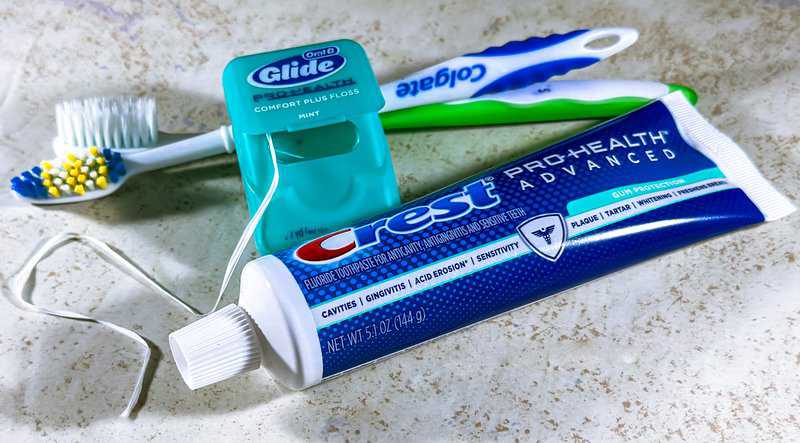
    Maintaining good oral hygiene is a key aspect of overall health, and the best way to protect your oral health is to brush and floss your teeth regularly. However, the age-old question of whether to brush or floss first has sparked numerous debates. While both brushing and flossing play pivotal roles in preventing gum disease, cavities, and bad breath, the order in which you perform these activities may influence their effectiveness. Your dentist in Portland has some thoughts on the topic.

    Brushing First

    People who have the opinion that you should brush your teeth first before flossing believe that this approach helps remove larger debris and plaque from the teeth’s surfaces, making it easier for floss to reach the interdental spaces. However, this may not actually be the case and can in fact have the opposite effect. Brushing your teeth before flossing can push plaque and debris up into the gums and increase the risk of gum disease. 

    Flossing First

    Those who floss their teeth first and then brush can more effectively break up plaque buildup between teeth. After all, brushing alone can’t clean those hard-to-reach areas in between teeth, so it’s best to first loosen the bacteria, food particles, and plaque between the teeth with floss and then remove them through brushing. In fact, a study by the Journal of Periodontology showed that those who floss first had a reduced amount of plaque on their teeth compared to those who chose brushing first. 

    Keep in mind that even if you’re in the habit of brushing first and flossing second, your dentist in Portland would prefer that over not brushing or flossing at all. 

    Flossing and Brushing Tips

    You should brush your teeth twice a day and floss once a day to help protect your oral health. However, while these tasks may seem really simple, there are proper and improper ways to effectively clean your teeth. 

    • Flossing Your Teeth

    Choosing the best flossing product for you is key. There are plenty of options to pick from including waxed and unwaxed floss, dental tape, dental flossers, and more. Find what works best for you and stick to a routine of flossing daily. 

    • Carefully wiggle the floss between two teeth and gently glide it up and down while rubbing against the side of each tooth. 
    • When you reach the gums, curve the floss around the tooth to clean out the space between the tooth and gums. 
    • Repeat between each and every tooth in your mouth using a clean section of floss as you move. 

    Brushing Your Teeth

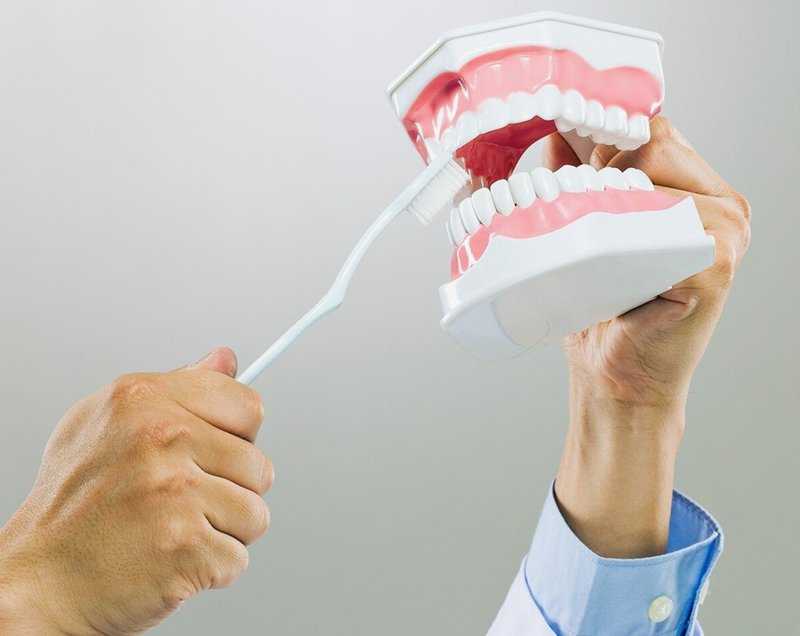
    As with picking the right floss, using the right toothbrush is also important. Whether you use a manual toothbrush or an electric brush, look for one with soft bristles and the ADA Seal of Acceptance. 

    • Hold your toothbrush at a 45-degree angle to your tooth and gums.
    • Use gentle pressure to avoid damaging the gums or tooth enamel. 
    • Brush each tooth, ensuring to clean all the surfaces as well as your tongue.
    • Use only small, circular motions – there’s no need to scrub back and forth. 
    • Replace your toothbrush every three months. 

    Following a proper oral hygiene routine at home of flossing and brushing, as well as doing them correctly, can help protect your teeth from cavities and other problems. Additionally, make sure to see your dentist in Portland at least twice a year for professional dental cleanings and checkups. 

  • Should You Be Scared of a Root Canal?

    Should You Be Scared of a Root Canal?

    So you’ve been told that you need a root canal and you’re feeling nervous and perhaps a little bit scared. The truth is that the fear surrounding this dental procedure is outdated, with many people associating it with intense pain and discomfort. However, your dentist in Portland wants you to know that it’s time to debunk that myth and shed some light on the current reality of root canals. Understanding why you need a root canal and dispelling the age-old belief that it’s a painful ordeal can help alleviate anxiety and promote better dental health.

    Understanding the Need for a Root Canal

    A root canal becomes necessary when the innermost layer of a tooth, the pulp, becomes infected or inflamed. This can occur due to deep cavities, repeated dental procedures on the same tooth, or traumaticooo injuries. The pulp contains nerves, blood vessels, and connective tissue, and when it becomes infected, it can cause severe pain and lead to the formation of abscesses if left untreated.

    Debunking Root Canal Pain Myth

    The fear associated with root canals is largely rooted in the misconception that the procedure itself is excruciatingly painful. However, advancements in dental technology and anesthesia have transformed the root canal experience. In reality, the purpose of a root canal is to alleviate pain, not cause it. The procedure itself is now quite straightforward. 

    • During a root canal, your dentist will remove the infected or damaged pulp
    • Then, they’ll clean and disinfect the tooth’s interior
    • Finally, the tooth is sealed to prevent further infection. 

    Modern techniques and advancements are used to numb the tooth and surrounding area, ensuring you feel little to no pain during the procedure.

    Modern Techniques

    • Anesthesia

    One of the primary reasons for the historical fear of root canals is outdated anesthesia techniques. In the past, numbing the affected area might not have been as effective, leading to discomfort during the procedure. However, contemporary dentistry uses highly advanced and targeted anesthesia methods, ensuring patients are comfortable and pain-free throughout the process.

    • Technology and Equipment

    Advancements in dental technology have also played a crucial role in making root canals more efficient and less intimidating. High-tech equipment, such as rotary instruments and magnification devices, allows your dentist in Portland to perform the procedure with greater precision. This not only reduces the time required for the root canal but also minimizes the chances of complications.

    What to Do After a Root Canal 

    Once the root canal is complete, patients often experience relief from the pain and discomfort caused by the infected pulp. In some cases, mild soreness or discomfort may be present for a short period. But following the recommendations of your dentist in Portland, which often includes over-the-counter pain relievers, is usually sufficient in managing any post-procedure discomfort.

    The Importance of Root Canals

    While nobody wants to hear that they need a root canal, the truth is a root canal should be viewed as a valuable procedure that can save a tooth from extraction. Losing a natural tooth can lead to a range of issues, including difficulty chewing, changes in bite alignment, and a higher risk of other dental problems. Root canals help preserve the natural structure of the tooth, maintaining oral health and function.

    The fear surrounding root canals is largely unfounded in the modern era of dentistry. Understanding the reasons why someone might need a root canal and dispelling the myth of unbearable pain can empower individuals to make informed decisions about their dental health. With advanced anesthesia techniques, state-of-the-art technology, and skilled dental professionals, a root canal is not something to fear but rather a crucial step toward preserving your natural smile.

    If faced with the possibility of a root canal, approach the procedure with confidence, knowing that it is a routine and pain-relieving dental intervention.

  • Common Causes of Bad Breath and How to Tackle Them

    Common Causes of Bad Breath and How to Tackle Them

    Bad breath, or halitosis, can be a cause of concern. While it’s not uncommon for people to experience occasional bad breath, persistent issues may indicate an underlying problem and require a visit to your dentist in Portland . But what exactly causes bad breath and how can you address it?

    Poor Oral Hygiene

    The most common cause of bad breath in adults is poor oral hygiene. When patients neglect to brush and floss regularly, food particles accumulate in the mouth, promoting the growth of bacteria that produce foul-smelling gasses.

    Solution: Follow a consistent oral hygiene routine. Make sure you’re brushing your teeth twice a day and flossing daily. 

    Dental Issues

    Undiagnosed or untreated dental problems, such as cavities, gum disease, or infections, can contribute to bad breath. These conditions create a breeding ground for bacteria, leading to unpleasant odors. This is one reason why it’s important to see your dentist in Portland for chronic bad breath. 

    Solution: Schedule regular dental check-ups. A dentist can identify and address any dental issues early on, preventing bad breath and promoting overall oral health.

    Dry Mouth

    Saliva plays a crucial role in maintaining oral health by washing away food particles and neutralizing acids. When patients suffer from dry mouth, either due to breathing through their mouths or certain medications, the reduced saliva flow can contribute to bad breath.

    Solution: Drink plenty of water throughout the day to keep your mouth hydrated. If dry mouth persists, consult with a healthcare professional to identify the underlying cause and explore potential solutions.

    Dietary Habits

    Certain foods, such as garlic, onions, and spicy dishes, can impart strong odors to the breath. Additionally, a diet high in sugary or acidic foods can contribute to the growth of odor-causing bacteria.

    Solution: Eat a well-balanced diet rich in fruits, vegetables, and whole grains. Limit the intake of strong-smelling foods and sugary snacks. 

    Respiratory Infections

    Common illnesses like colds, sinus infections, or allergies can lead to postnasal drip, where mucus drains into the back of the throat. This can create an environment conducive to bacterial growth and result in bad breath.

    Solution: Manage respiratory infections promptly and practice good hygiene, such as covering your mouth when coughing or sneezing.

    Tonsil Stones

    Tonsil stones, or tonsilloliths, are small, whitish calcified formations that can develop on the tonsils. These stones harbor bacteria and emit a foul odor when broken down.

    Solution: If you have a persistent bad taste in your mouth or have visible tonsil stones, consult your dentist in Portland. In some cases, they may recommend removal or other appropriate treatments.

    Addressing bad breath involves a holistic approach that includes maintaining good oral hygiene, addressing dental issues promptly, promoting a healthy diet, and managing underlying health conditions. By following these habits, patients can enjoy fresh breath and a lifetime of good oral health. 

  • How Colds and The Flu Impact Oral Health

    How Colds and The Flu Impact Oral Health

    The changing seasons often bring with them an unwelcome guest – the cold and flu viruses. While the physical toll is widely known, what many may not realize is that these common illnesses can also have a significant impact on oral health. Join your dentist in Portland as we explore the connection between colds, flu, and the well-being of your teeth and gums.

    Weakening the Immune System

    One of the first ways the cold and flu affect oral health is by compromising the body’s natural defense mechanisms. When someone is battling these infections, their immune system is working overtime to fight off the invading viruses. Unfortunately, this heightened state of alertness can result in a decrease in saliva production. Saliva plays a crucial role in maintaining oral health by neutralizing acids, washing away debris, and preventing the growth of harmful bacteria. A dry mouth, a common side effect of illnesses, creates an environment conducive to bacterial growth, increasing the risk of cavities and other dental issues.

    Medication Side Effects

    When illness strikes, people often turn to over-the-counter medications to alleviate the symptoms of cold and flu. While these medications can bring relief, many of them come in the form of sugar-filled syrups or chewable tablets. The high sugar content in these medicines can contribute to tooth decay, especially if someone’s oral hygiene routine is compromised during illness. Additionally, some medications may cause dry mouth as a side effect, compounding the problem and making it essential for patients to be vigilant in maintaining their oral health routine during sickness. Talk to your dentist in Portland to find sugar-free alternatives. 

    Nutritional Shortcomings

    When we feel under the weather, our appetites may take a hit. We may not feel like eating or may prefer soft, comforting foods over nutritious options. This change in dietary habits, coupled with a weakened immune system, can impact the health of their teeth. Whether it’s sipping on sugary hot chocolate or indulging in ice cream to soothe a sore throat, these treats can contribute to dental issues. Sugary foods and beverages provide a feast for bacteria in the mouth, leading to the production of acids that attack tooth enamel. However, nutrient-rich foods, such as fruits and vegetables, play a crucial role in maintaining oral health. A lack of these essential nutrients can hinder the body’s ability to fight off infections and promote healthy teeth and gums.

    Maintaining Oral Hygiene During Illness

    Despite the challenges posed by colds and flu, it’s crucial to maintain good oral hygiene habits, even when you’re feeling under the weather. Continue to brush and floss regularly, find sugar-free medications when possible, and drink fluids to safeguard oral health during illness. 

    While the cold and flu are often unavoidable, being aware of their potential impact on oral health empowers you to take proactive measures. By addressing the challenges posed by these common illnesses, you can better navigate through sickness without compromising your dental well-being. Through a combination of maintaining good oral hygiene practices, making mindful food choices, seeking sugar-free medications when possible, and keeping up with regular checkups with your dentist in Portland, patients can ensure that the effects of colds and flu are limited to the respiratory system and not extended to their smiles.

  • The Essential Role of Flossing in Your Oral Hygiene Routine

    The Essential Role of Flossing in Your Oral Hygiene Routine

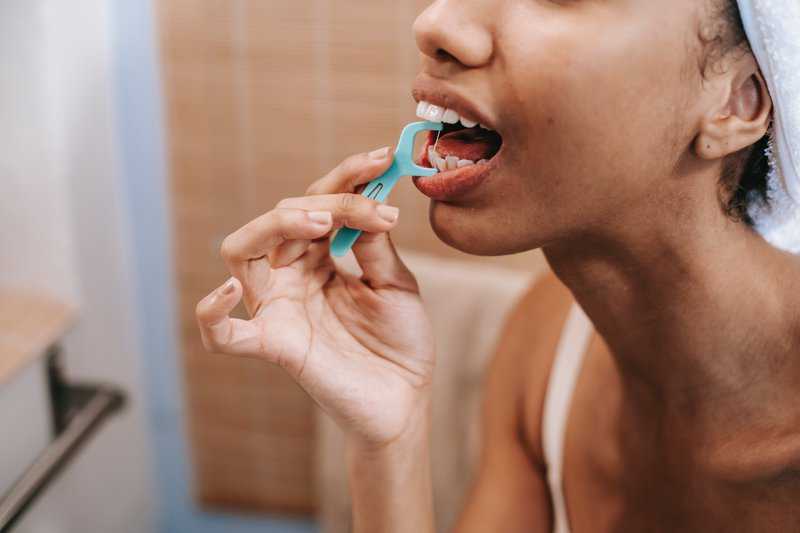
    When you visit your dentist in Portland, you may have found yourself asking, “Do I really need to floss?” After all, you diligently brush your teeth twice a day, every day, so how significant can flossing be? The truth is, flossing is an integral part of any home oral hygiene routine, and its benefits extend far beyond what brushing alone can achieve. There’s a saying among dental professionals that you don’t have to floss all your teeth, just the ones you want to keep. In this blog, we’ll delve into why flossing is so crucial for maintaining healthy teeth and gums.

    Flossing Reaches Where Brushing Can’t

    The primary reason why flossing should be a daily habit is that brushing alone cannot effectively clean every surface of your teeth. When you skip flossing, you leave approximately 35% of each tooth’s surface uncleaned. This oversight provides an ideal breeding ground for plaque and harmful bacteria, which can lead to a host of oral health problems.

    What Happens When You Neglect Flossing?

    To put it simply, if you neglect flossing, you are setting yourself up for unwanted dental issues that may require intervention from your Portland dentist. Some of the ways in which skipping flossing can harm your oral health include:

    • Plaque Hardens into Tartar

    Plaque, if left unchecked, can harden into tartar, which cannot be removed by regular brushing. A professional cleaning is necessary to eliminate tartar buildup.

    • Increased Risk of Cavities

    When you don’t floss, you leave behind food particles and plaque between your teeth. This environment encourages the formation of cavities.

    • Development of Gum Disease

    Failing to floss allows plaque to accumulate along the gumline, increasing the likelihood of developing gum disease, such as gingivitis and periodontitis.

    • Tooth Loss

    Over time, untreated gum disease can lead to tooth loss, a consequence that is both physically and emotionally distressing.

    Dentists Can Detect Your Flossing Habits

    You might believe that flossing the night before your dental appointment will suffice to remove any buildup between your teeth and gums. However, dental professionals can easily discern whether you floss regularly. How? During your dental cleaning, your gums may bleed, which is the primary indicator of gingivitis. Gingivitis doesn’t take long to form, and if left untreated, it can progress to irreversible gum disease, potentially leading to tooth loss and other systemic health concerns. Therefore, being honest about your flossing habits with your dentist in Portland is crucial, as it allows them to provide tailored preventive dentistry and personalized care.

    You’re Not Alone

    If you feel embarrassed about not flossing, rest assured that you’re not alone. More than 30% of Americans don’t floss daily, making your situation quite common. Openly discussing your flossing habits with your dentist is a proactive step towards improving your oral health. Together, you can explore various flossing products to find the one that best suits your needs. Flossing options include:

    • Traditional string floss, available in waxed and unwaxed variants, is a time-tested option for effective interdental cleaning.
    • Floss picks are convenient, single-use tools that make flossing between teeth a breeze.
    • Dental tape is a broader, flatter floss that is ideal for people with more widely spaced teeth.
    • Water flossers use a pressurized stream of water to remove debris and plaque between teeth and along the gumline.

    Remember that the best floss for you is the one you will consistently use. Feel free to experiment with different types of floss to determine which one aligns with your preferences and requirements.

    To ensure excellent dental checkups and protect your teeth, gums, and overall oral health, make daily brushing and flossing an integral part of your routine. These habits are your first line of defense against dental issues, helping you maintain a bright and healthy smile that will last a lifetime. Your dentist in Portland is your partner in achieving and maintaining optimal oral health, so don’t hesitate to seek their guidance on your oral care journey.

  • Does Purple Toothpaste Really Whiten Teeth or Is It Just Color Theory?

    Does Purple Toothpaste Really Whiten Teeth or Is It Just Color Theory?

    Purple toothpaste has taken the oral care market by storm in recent years, promising to not only clean your teeth but also whiten them. But is it just a gimmick, or can it actually transform the color of your teeth? While your dentist in Portland will always recommend a professional whitening solution over a DIY approach, let’s take a look at the science behind purple toothpaste and whether it’s a legitimate teeth-whitening solution or merely a clever application of color theory.

    Understanding the Basics of Tooth Staining

    Before we jump into the discussion of purple toothpaste, we need to understand how and why teeth become stained in the first place. Dental stains can be broadly categorized into two types: extrinsic and intrinsic.

    Extrinsic Stains

    These are superficial stains that occur on the outer surface of the tooth enamel. Common culprits include coffee, tea, red wine, and smoking. Extrinsic stains are often easier to remove through regular brushing and professional dental cleanings.

    Intrinsic Stains

    These types of stains are more challenging to treat as they originate within the tooth’s structure. Causes of intrinsic stains include certain medications, fluorosis, and tooth trauma. Intrinsic stains require more specialized treatments like professional teeth whitening or forms of cosmetic dentistry.

    The Role of Color Theory in Purple Toothpaste

    Now, let’s explore the concept of color theory and how it relates to purple toothpaste. Color theory suggests that certain colors can create optical illusions or perceptions that affect how we perceive the color of objects, including our teeth.

    Purple & Yellow

    When looking at color theory, we need to consider the color wheel. When examining a color wheel we see that purple is opposite to yellow, meaning purple can counteract yellow. Purple toothpaste, when applied to the teeth, can create an optical illusion by neutralizing yellow or brownish stains. This, in turn, makes the teeth appear whiter. It’s similar to how wearing complementary colors can make your clothing look more vibrant.

    The Whitening Ingredients in Purple Toothpaste

    However, it’s important to note that many purple toothpaste products on the market do actually contain ingredients that are known for their teeth-whitening properties such as: 

    • Hydrogen Peroxide – Hydrogen peroxide is a common teeth-whitening agent that can break down and remove stains on the tooth’s surface. In fact, it’s one of the ingredients that your dentist in Portland will use during a professional whitening treatment.
    • Activated Charcoal – Activated charcoal is believed to absorb surface stains and toxins, helping to whiten teeth.

    While these ingredients do have whitening potential, their effectiveness can vary from product to product.

    So, Does Purple Toothpaste Work? 

    Opinions differ on whether or not purple toothpaste actually whitens teeth or not. Even if you use purple toothpaste and notice some improvement in the color of your teeth, it’s important to know that it’s not a magic solution for teeth whitening. In fact, teeth whitening solutions from your dentist in Portland will typically be fast, more dramatic, and last longer. 

    More importantly, regardless of the color of your toothpaste, maintaining good oral hygiene practices is essential for achieving and maintaining white teeth, and healthy teeth. Make sure you brush your teeth at least twice a day using fluoride toothpaste, floss daily to remove plaque and debris from between your teeth and along the gumline, and minimize the consumption of stain-causing substances such as coffee, tea, and tobacco products. Additionally, visiting your dentist regularly for professional cleanings and to discuss any concerns about teeth staining or discoloration can help keep your teeth healthy. 

    Even though purple toothpastes tend to include ingredients that can brighten teeth, it’s important to know that they can also create an illusion of whiter teeth through the principles of color theory, where the purple color neutralizes yellow or brown stains. Their effectiveness can vary greatly based on the product’s ingredients and the type of stains being treated. 

    If you have significant staining or discoloration issues, consult your dentist for personalized teeth-whitening recommendations

  • Top Cavity-Causing Candy

    Top Cavity-Causing Candy

    It is that time again when kids eagerly collect bags full of candies during their door-to-door trick-or-treat adventures, and adults are bombarded with sugary sweets in the grocery aisles or haunted by all the treat-or-treat leftovers in the kitchen cabinet. It can only mean one thing – Halloween is here. While we fully appreciate the joy and significance of this tradition, it’s equally important to understand which candies pose the greatest threat to dental health. As your trusted dentist in Portland, we’re here to shed some light on the worst offenders when it comes to cavity-causing candies.

    Candy Corn

    Whether you’re a fan or not, candy corn is always present during the autumn season. Despite its seemingly healthy name, this treat can spell trouble for teeth. Its sticky nature means it clings to teeth long after consumption, and its high sugar content provides a feast for those pesky sugar-loving bacteria that can wreak havoc on your teeth.

    Taffy

    This delightful confection comes in a plethora of mouthwatering flavors and vibrant colors, but don’t be fooled by its charm. Taffy not only contains a substantial sugar content but is also one of the stickiest treats around. This dual threat makes it detrimental to dental health as it can linger on teeth, and its stickiness can even harm dental restorations like fillings.

    Lollipops

    Lollipops and similar candies like jawbreakers or hard candies that require prolonged sucking sessions expose teeth to sugar for an extended period, which is a recipe for trouble. The longer the candy takes to consume, the more time sugar has to cling to teeth and induce damage.

    Sour Candy

    Sour candy not only delivers a hefty sugar dose but also adds an acidic punch to the mix. Acid can weaken tooth enamel, rendering teeth vulnerable to sugar-related damage. Excessive consumption of sour candies might necessitate a visit to your dentist in Portland.

    Popcorn

    While popcorn may not be sweet, it’s a common find in trick-or-treat bags and an easy nightly snack. Popcorn’s sugar content is relatively low, but it conceals a hidden danger – those sneaky unpopped kernels. Biting down on them unexpectedly can result in tooth damage, leading to broken teeth or the harm of existing dental fillings.

    You might not be able to entirely eliminate the temptation for these treats during Halloween, and that’s perfectly fine. What matters most is that you enjoy these indulgences in moderation and follow a daily dental hygiene routine that includes brushing and flossing. Additionally, make sure to see your dentist in Portland at least every six months for checkups. 

  • Does Biting Your Cheeks Cause Oral Health Problems?

    Does Biting Your Cheeks Cause Oral Health Problems?

    We’ve all caught ourselves biting our cheeks from time to time, which is a seemingly harmless habit that can often be attributed to stress, anxiety, or even just absentmindedness. While it might not seem like a big deal at first, your dentist in Portland knows that consistently biting your cheeks could potentially lead to problems for your teeth and overall oral health. But why exactly is this habit problematic and what can you do to decrease the dental risks associated with it? 

    The Habitual Cheek Bite

    Biting your cheeks might seem innocuous, but when done regularly, it can have repercussions beyond just temporary discomfort. Habitual cheek biting involves repeatedly clenching your teeth down on the soft tissue of your inner cheeks. Over time, this can cause irritation, inflammation, and even result in sores or ulcers in the mouth. While these symptoms might be uncomfortable on their own, they can also indirectly affect your teeth.

    Dental Damage: Consistent cheek biting can create pressure on your teeth. This constant pressure can result in micro-fractures, chips, or cracks in your teeth. Over time, this damage might necessitate dental treatments such as dental bonding, fillings, or even crowns to restore the affected teeth.

    Shift in Tooth Alignment: Habitual cheek biting can also affect the alignment of your teeth. The repetitive movement of your teeth against the cheek can push them out of their natural positions, potentially leading to malocclusion or misalignment. This might require treatment from your dentist in Portland to correct the issue.

    Bruxism Aggravation: Cheek biting is often associated with bruxism – the habit of clenching or grinding your teeth, usually during sleep. Bruxism can lead to enamel erosion, tooth sensitivity, and jaw pain. Habitual cheek biting can exacerbate these issues, intensifying the impact of bruxism on your dental health.

    Prevention and Management

    There are several ways you can prevent dental damage caused by habitual cheek biting including: 

    Awareness and Mindfulness: The first step in addressing cheek biting is to become more aware of when you’re doing it. Pay attention to moments when you catch yourself biting your cheeks, and try to identify any triggers. Practicing mindfulness and stress reduction techniques can also help minimize the instances of cheek biting.

    Mouthguards: For those who find it challenging to control cheek biting, your dentist in Portland can create custom mouthguards or splints to help. These devices act as a barrier between your teeth and cheeks, preventing direct contact and reducing the potential damage caused by clenching and grinding.

    Biting your cheeks might seem like a minor concern, but its impact on your dental health can be significant. From dental damage and misalignment to exacerbating bruxism-related problems, this seemingly harmless habit can lead to various oral health issues. The key lies in awareness, stress management, and seeking professional guidance when needed. By taking steps to address and mitigate cheek biting, you can preserve your dental health and maintain a confident smile for years to come. Remember, a proactive approach to oral health can lead to a happier and healthier mouth.

  • Can Dental Problems Contribute To Headaches And Migraines?

    Can Dental Problems Contribute To Headaches And Migraines?

    People who get a lot of headaches or have chronic migraines may be surprised to learn that a dental problem may be to blame. In fact, these two seemingly unrelated ailments can have a significant impact on each other, and recent research suggests that there may be a strong connection between them. While headaches and migraines are typically treated as medical concerns, there may be a reason to consult your dentist in Portland to get relief. 

    The Link Between Dental Problems and Headaches

    While it might not be immediately evident, your dental health and headaches could be interconnected in several ways. Let’s explore some of the key factors that establish this intriguing link.

    1. Malocclusion and Dental Alignment

    Malocclusion refers to a misalignment of the teeth, which can occur due to various reasons like genetics or improper oral habits. When your teeth are not correctly aligned, it can lead to an uneven distribution of biting forces. As a consequence, this places additional stress on certain teeth and the surrounding jaw muscles, potentially resulting in tension headaches or even migraines.

    If a patient has malocclusion or misaligned teeth, a dentist can recommend orthodontic treatments like braces or clear aligners to correct the alignment. By achieving proper dental alignment, the uneven biting forces that contribute to headaches can be alleviated.

    1. Teeth Grinding and Clenching 

    Teeth grinding, medically known as bruxism, is a common dental problem that often occurs during sleep or period of stress. The constant grinding and clenching of teeth can cause significant strain on the jaw joint and surrounding muscles, leading to headaches. The pressure exerted during bruxism can also radiate pain to the temples and forehead, mimicking the symptoms of tension headaches.

    Dentists can address teeth grinding and clenching issues by providing patients with custom-made nightguards or splints. These dental appliances help protect the teeth from excessive wear and reduce the strain on the jaw muscles, potentially preventing headaches caused by bruxism.

    1. Temporomandibular Joint Disorder and Headaches 

    The temporomandibular joint (TMJ) is the hinge joint that connects your jaw to your skull. TMJ disorder can arise due to injury, arthritis, or teeth grinding, among other factors. TMJ-related headaches are often felt in the temples, behind the eyes, and even in the neck and shoulders. These headaches can be severe and have a migraine-like quality, making it crucial to address the underlying dental issues.

    For patients suffering from temporomandibular joint disorders, dentists can offer various treatment options. This may include recommending lifestyle changes, physical therapy exercises, stress management techniques, or in some cases, dental appliances like splints to alleviate TMJ-related headaches.

    1. Dental Infections and Headaches 

    Untreated dental infections, such as abscesses or gum disease, can lead to the spread of bacteria and inflammation in the oral cavity. The proximity of the oral region to the head means that these infections can easily affect the surrounding nerves and tissues, potentially triggering headaches or migraines.

    For headaches caused by dental infections or gum disease, your dentist in Portland can perform necessary procedures, such as root canals or periodontal treatments, to eliminate the infection and reduce inflammation. By addressing these issues, the spread of bacteria and inflammation that may trigger headaches can be controlled.

    1. Impact of Oral Health on Overall Well-being

    Beyond the direct links between dental problems and headaches, your oral health significantly influences your overall well-being. Poor oral hygiene can lead to various systemic health issues, such as cardiovascular disease and diabetes. These underlying health conditions can also contribute to headaches, making it essential to prioritize dental health as part of a comprehensive approach to headache management.

    If your headaches or migraines are affecting your life, consider talking to your dentist in Portland. After all, dentists can make a significant impact in addressing dental problems that may be associated with headaches and migraines. Dental treatment may be just what you need in order to help reduce the number or severity of headaches and migraines.