Category: Uncategorized

  • When To Drink Water

    When To Drink Water

    When it comes to drinking water, your SW Portland dentist at Burlingame Dental Arts knows that everyone has an opinion on what’s the right amount to drink a day. However, while the conversation on drinking water usually involves how much you should drink a day, another important question asks when is the best time to drink water? Some claim that drinking water helps improve digestion, while other are concerned drinking a full glass after a meal negatively impacts digestion and can cause weight gain.

    There are a number of studies that have helped reaffirm the idea that drinking water immediately following a meal isn’t good for you. While downing a glass of water won’t harm your health after a meal, it does have an impact on your digestion.

    What studies have determined happens after drinking water right after eating is a dilution of the essential enzymes in your stomach needed to properly digest food.

    There’s no hard rule or guideline that says you can’t drink water during a meal – drinking plenty of water when eating actually helps to keep you hydrated and protect your oral health – but experts warn that drinking too much water once the meal is over could prove problematic for your digestion.

    The Case Against Drinking After a Meal

    Drinking a full glass of water immediately after a meal causes acidity by diluting the gastric juices in your stomach. Your stomach absorbs the water you drink, but when you drink in excess following a meal you’re diluting the enzymes required for digestion. This can cause a drop in the number of digestive enzymes in your stomach and make it more likely that undigested food leaks into your system causing acid reflux and heartburn.

    A little more about gastric juices – These acids not only enable your body to breakdown and digest food, they also eliminate and kill infectious microbes that might have interfered with your food. Basically, you need these juices to ensure a healthy stomach and body.

    However, when you drink water immediately following a meal, you reduce the effectiveness of your digestive system. This could cause some people to experience cramps after a meal.

    Since you’ve stagnated the digestive process, food will remain in your stomach for longer than it would normally. This also slows down digested food being passed along to the small intestine where many vital nutrients are absorbed.

    Drinking water right after a meal leaves behind undigested food and the glucose in the food can easily turn to fat when stored. The process also causes a surge of insulin in your body which in turn increases the blood sugar level in your body.

    With the excess of glucose from foods being transformed into fat and being stored by the body, there’s is some merit to the idea that drinking too much water after a meal can increase your risk of obesity.

    When to Drink Water

    In order to maximize the effectiveness of drinking water on the body, there are certain times of day that are more beneficial than others.

    • Immediately after waking in the morning. Your mouth produces less saliva during sleep when compared to the rest of the day. Saliva plays an important role in both digestion and protecting your oral health.
    • During a meal. Drinking during a meal helps to improve saliva flow, which not only aids in digestion but also helps to flush lingering food particles and harmful oral bacteria from your mouth that can contribute to tooth decay if allowed to remain.
    • Before bed. Saliva flow drops during sleep. If you suffer from dry mouth or low saliva flow your oral health could suffer during the night, especially if you have digestive issues that cause acid reflux or GERD. Drinking water before bedtime will help keep you hydrated and your mouth moist.

  • Six Missteps Parents Often Take With Children’s Teeth

    Six Missteps Parents Often Take With Children’s Teeth

    We all know that helping our little ones with their oral health is key to them enjoying a happy and healthy smile. You may also be aware that regular visits, brushing and flossing, and eating well all matter when considering your kids’ oral health. However, health authorities believe that many parents make some key mistakes when tending to kids’ dental health. According to the Centers for Disease Control and Prevention, up to 42 percent of kids aged two to 11 have had cavities in their baby teeth.

    Check out some of the most common errors that dentists like SW Portland family dentists at Burlingame Dental Arts say parents make.

    1. Waiting Too Long To Make An Appointment

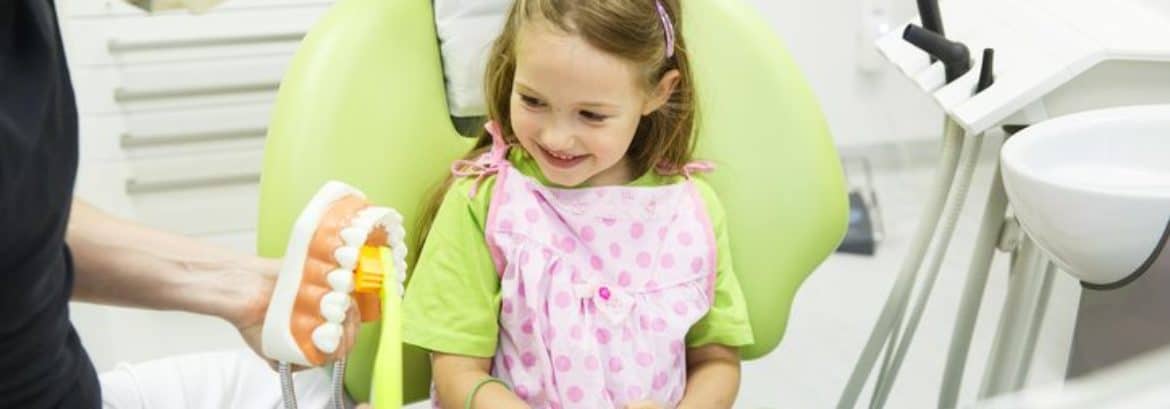
    A child’s first visit to the dentist should be when you see the first tooth, or at least by when they turn one year old. Visiting the dentist every six months and starting early not only allows the dentist to catch any issues before they grow, but also sets a foundation for a lifetime of being comfortable visiting the dentist’s office. Many parents wait until a child is two or three before they make their first appointment. At this point ,a child might have serious cavities that may need expensive and painful treatments.

    2. Brushing By Themselves

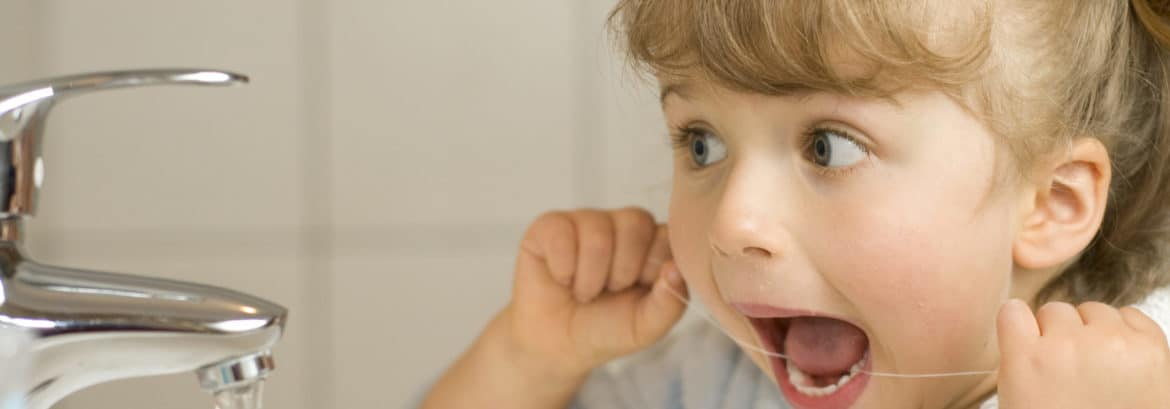
    You may not realize it, but kids don’t have the proper motor skills in the hands and fingers to brush their own teeth correctly until they are eight years old. Before then, it is vital that parents oversee the brushing and flossing of their children to make sure the right techniques are done correctly.

    3. The Bottle In Bed

    Though the American Academy of Pediatric Dentistry says 85 percent of parents know that putting a baby to sleep with a bottle of juice or milk is a bad idea, 20 percent of families end up doing it. Giving your baby a bottle in bed, or even during the day, full of formula or juice, can coat teeth with sugar, which causes high levels or harmful bacteria to grow. The best thing you can do when a little one wakes up for a bottle in the middle of the night is gently wipe their teeth with a clean piece of cloth after they are done.

    4. Sports Drinks

    For kids who are a bit older, dentists are finding that sports drinks like Gatorade and PowerAde along with many sodas have large amounts of sugar. Since parents often let kids sip on these types of drinks during the day, they can unwittingly be causing damage to teeth. This is because these drinks are high in acids, which means the teeth are bathed in eroding substances for long periods of time and the pH levels are not allowed to re-balance. While completely eliminating sports drinks and sodas is probably not possible in most cases, trying to limit the quantity and amounts that kids drink is wise. Rinsing with water after consuming these kinds of drinks is a great to habit to encourage.

    5. Sticky And Sugary Foods

    Though foods like raisins, fruit snacks, and crackers can seem like the perfect snack for children, the reality is that many of those treats are sticky and contain concentrated sugars that can sit between teeth and cause decay. You don’t have to  eliminate these kinds of snacks completely, but instead offer them with meals when mouths make more beneficial saliva. It’s a good idea to teach your kids to brush after eating sticky, sugary munchies.

    6. Fluoride Usage

    We know that fluoride is controversial in some households, but the American Dental Association and many research studies have shown that using fluoride is great way to prevent tooth decay. In fact, the ADA recently advised that kids less than two also use fluoride toothpaste to help strengthen teeth. It’s crucial to make sure you are using the correct dose, which is a rice grain-sized amount for those three or younger, and a pea-sized amount for those three to six years old. If you have apprehensions about fluoride, please let your SW Portland family dentists at Burlingame Dental Arts know.

  • Rheumatoid Arthritis & Gum Disease

    Rheumatoid Arthritis & Gum Disease

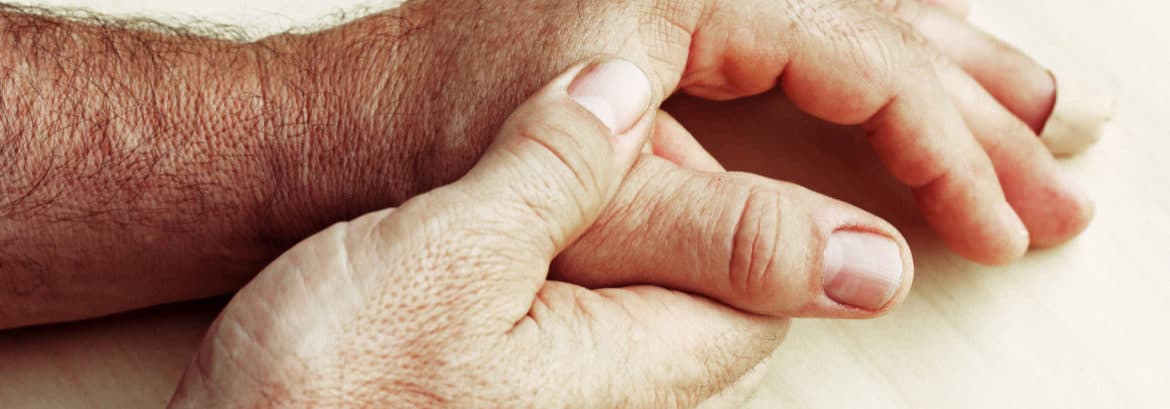
    When you’re living with rheumatoid arthritis, flossing, brushing and seeing your family dentist in SW Portland regularly all become incredibly important. Studies have shown that a strong connection exists between rheumatoid arthritis and gum disease, an inflammatory condition that can lead to the development of tooth loss and a number of chronic health condition that include heart disease, stroke, diabetes and dementia.

    While a clear link has been established between gum disease and these types of health conditions, no clear causation has been identified. In other words, does gum disease increase your risk of these types of chronic disease or are people suffering from these and other conditions at a higher risk of developing gum disease.

    A 2008 study published in the Journal of Periodontology found that individuals with rheumatoid arthritis were 8 times more likely to develop gum disease when compared to those without the disease. Another study from 2013 published in the journal PLoS Pathogens found that the bacterium most often cited as causing gum disease – Porphyromonas gingivalis – increases the severity of rheumatoid arthritis, leading to both the early onset of the disease and symptoms linked to the disease to progress more rapidly. Finally, a recent study published in 2016 in the journal Arthritis & Rheumatology suggested that P. gingivalis may possibly trigger an autoimmune disease in a certain segment of patients with rheumatoid arthritis.

    The Links Between Rheumatoid Arthritis & Gum Disease

    Doctors may not know for certain how rheumatoid arthritis and gum disease are linked, but both disease share a common factor that may help explain this connection – inflammation. Inflammation is a protective immune system response to foreign bodies like bacteria and viruses. However, with autoimmune disease such as rheumatoid arthritis, the immune system incorrectly activates an immune response even though no bacteria or virus exists for it to fight off. Researchers believe that it’s possible that the immune system is stimulated by oral inflammation and infection, which results in a cascade of events where inflammation develops at the site of joints or arthritis.

    Researchers suspect that by controlling inflammation through improved dental care, patients could successfully reduce their risk and the severity of rheumatoid arthritis.

    Treating One Disease to Improve the Other

    In a study conducted by researchers at Case Western University it was discovered that when individuals with a severe form of rheumatoid arthritis successfully treated their gum disease, they were able to relieve their pain and other arthritis related symptoms. Patients who received treatments of drugs designed to treat both diseases fared far better than those who received medication that only treated rheumatoid arthritis.

    Researchers advised that individuals who suffer from both rheumatoid arthritis and gum disease need to seek treatment from both a periodontist and a physician so that both diseases receive equal attention and care. Since properly flossing and brushing can be a challenge for individuals suffering from rheumatoid arthritis, it’s important to determine with the help of doctors what type of treatment plan best meets a patient’s unique oral and overall health needs.

    Oral Health Care Tips for Patients with Rheumatoid Arthritis

    Gum disease can range in severity from gingivitis – a mild form of the disease – to periodontitis, a more serious form that causes inflammation that destroys bone structure and gum tissue. Periodontitis ranks as the leading cause of adult tooth loss in the U.S.

    Some patients with rheumatoid arthritis also develop Sjögren’s syndrome, an autoimmune disease that causes oral glands to produce less saliva, or dry mouth. Patients who suffer from dry mouth have a higher risk of developing gum disease and tooth decay.

    To help better protect your oral health, here are a few tips for patients with rheumatoid arthritis to follow that will make it easier to manage your dental care:

    • Improve your toothbrush. To gain a better grip on your toothbrush, add a bicycle grip or tennis ball to the end of the handle.
    • Try new flossing techniques. Give floss picks, floss holders and threaders a try to see which flossing technique is more manageable for you.
    • Buy “pumpable” toothpaste brands. Toothpaste that comes in a container you can pump might be easier to use when compared to brands that come in more conventional squeezable tube packaging.
    • Don’t smoke. Smoking presents a serious risk to your oral health regardless of what other health conditions you may suffer from. Smoking can also interfere with the success of some types of treatments for gum disease.

    If you have any questions about how rheumatoid arthritis can impact your oral health, be sure to ask your dentist in SW Portland during your next appointment at Burlingame Dental Arts.

  • Protecting Your Teeth From Holiday Treats

    Protecting Your Teeth From Holiday Treats

    With all of the holiday parties and family gatherings this time of year brings, your dentist in Burlingame-Portland understands just how difficult saying no to all those tasty treats can be. While it can certainly be difficult to just limit yourself to one or two of the treats that pop up in the office break room or that you receive as a Secret Santa gift, there are a few steps you can take to help protect your oral health from the sugar rush that comes along with the holidays.

    So that you can enjoy a few holiday treats while still smiling brightly in the New Year, here are a few tips to keep in mind when it comes to holiday snacking:

    • Don’t snack throughout the day. Constantly munching on sweet treats provides plaque – a sticky biofilm that grows on the surface of tooth enamel – with an endless supply of fuel needed to produce harmful substances that contribute to the development of tooth decay. Taking a break from snacking will allow saliva – the body’s natural defense against plaque – to neutralize the substances produced plaque and help protect your tooth enamel.
    • Choose your treats carefully. Try to avoid eating sticky treats (taffy), hard treats (peanut brittle), or chewy treats (caramel). These types of candies can break your teeth, pull out fillings and/or interfere with crowns.
    • Stick with softer treats. Candies that melt in your mouth, such as peanut butter cups, chocolates filled with fruits, and Hersey kisses, pose a less of a threat to your oral health when compared to harder, stickier varieties. Regardless of the type of treats you choose, make sure you brush and floss after eating to help remove any excess sugar that lingers in the mouth.
    • Sip from a straw. If you can, sip your egg nog, spiced wine and other sweet treats through a straw. Sipping through a straw helps minimize the amount of sugary liquid that comes into direct contact with your teeth.
    • Don’t chew on ice. As sweet holiday cocktail may encourage you to savor the flavor by chewing on the ice that remains in your glass. However, chewing on ice can increase your risk of chipping, cracking or breaking your teeth.
    • Don’t rush to brush. While it’s important to maintain your oral hygiene when eating excess amounts of sugar, it’s not always a good idea to brush immediately after finishing some types of treats. Certain types of beverages (spiced wine) and foods (fruits) that have a high acid content can weaken your tooth enamel. Immediately brushing after consuming these items can cause damage to your weakened tooth enamel. It’s better to wait a little while and rinse with water than risk damaging your teeth by immediately brushing.
    • Chew sugar-free gum. Chewing sugar-free gum after meals and eating treats can actually help preserve your oral health. Chewing gum helps to increase saliva flow in your mouth. As we mentioned before, saliva acts as the body’s natural defense against harmful substances that contributes to tooth decay. By chewing gum, you can flush harmful substances from your mouth before any damage can occur.

    By practicing these helpful tips, and scheduling regular appointments with your dentist in Burlingame-Portland, you can enjoy a healthy, great looking smile all throughout 2017.

  • Studies Find Link Between Gum Disease and Low-T

    Studies Find Link Between Gum Disease and Low-T

    As we have covered in our Burlingame dentist blog, research has found significant links between periodontitis and a variety of serious health issues that include diabetes, heart disease, and dementia. Additional studies have found some levels of connection between periodontitis and testosterone levels, but they have been less conclusive.

    Recently, an international team of researchers at the Eastman Institute for Oral Health reviewed eight studies that examined potential connections between chronic periodontitis and testosterone. Here’s some of what their researcher uncovered.

    Understanding the Data

    Over the last 30 years, bidirectional linkages between chronic periodontitis and a variety of long-term, chronic health issues such as heart disease, diabetes, and dementia have been reported by numerous studies. Additionally, the relationship between estrogen and periodontal disease has also been noted in women during times of extreme hormonal fluctuation, such as during puberty, pregnancy, and menopause.

    However, any connection between men’s reproductive health and chronic periodontitis has currently been overlooked and scarcely studied. To gain a better understanding if any link between men’s reproductive health conditions and periodontitis existed, researchers began their exhaustive review.

    What researchers discovered was a number of answers that ranged from positive to negative associations to no significant association at all.

    To attempt to answer why the review provided such conflicting results, researchers pointed to a number of factors that may have biased their findings. For example, different factors might influence testosterone levels, including genetics, age, and comorbidities such as obesity and glycemic levels.

    Among the studies examined by researchers, they noticed a significant variation among the participants’ ages. One study looked at the testosterone levels in men between the ages of 19 to 21. Another study determined testosterone levels in patients between the ages of 66 to 95.

    More importantly, researchers noticed that about 50 percent of the studies failed to properly adjust their results for contributing factors, such as obesity and smoking. Due to the discrepancies found in the majority of the examined studies, researchers are recommending the need for further examination into this topic using a larger sample of participants to be kept under review for a longer period of time.

    Understanding the Link

    Despite the wide range of ages and results covered in the studies reviewed, six of the eight studies did find some relationship between low testosterone and chronic periodontitis.

    The negative impact of testosterone deficiency in bone metabolism have been linked to increased levels of pro-inflammatory cytokins. The results from nearly 2/3rds of the studies included reported a positive correlation between testosterone levels and chronic periodontitis.

    A possible reason behind these findings is the heightened response in gum tissue by immune-endocrine interactions and a hormonal modulation of fibroblast. It has all been hypothesized that testosterone could impact the gingival stromal cell response to inflammatory challenges by downregulation of proinflammatory cytokines production. In other words, fluctuations in testosterone levels could affect how well gum tissue responds to inflammation, the primary cause of periodontal disease. To determine the true extent of any relationship between these two conditions, researchers believe further study is required.

    Considering the limitations of the current available data, it is fair to say that the relationship between periodontitis and low testosterone remains tenuous. However, despite the currently loose existing connection, it is necessary for patients of your Burlingame dentist to remain aware of the fact that chronic periodontitis can impact men’s reproductive health.

    As further study is dedicated to this subject, be sure to check back here on our blog to find out what may connect these two serious health issues.

  • Treating Gum Disease at Home

    Treating Gum Disease at Home

    Have you been avoiding group photos or scheduling meetings over the phone rather than in-person? Has brushing and flossing become uncomfortable? Is smiling the source embarrassment? If the answer to these questions is yes, is it because you’re suffering from bleeding gums?

    The ideal way to tackle the problem of gums that bleed easily is to floss and brush every day, while also scheduling regular appointments with your Southwest Portland family dentist. To get a better handle on this problem, you can also try some home remedies, like using herbal products or rinsing with salt water.

    What Home Remedies Can & Cannot Do

    While there are a variety of reasons why your gums might bleed, the most common cause is gingivitis, an early stage of gum disease.

    Gingivitis develops when plaque – a sticky biofilm made of harmful oral bacteria – builds up on the surface of your teeth due to the sugars and starches in the foods we eat. If plaque is allowed to stay on your teeth for more than a couple of days, it can harden under your gums and form into a substance known as tartar. In time, tartar can cause tooth decay and gum disease, so you may need to see our team at Burlingame Dental Arts to prevent any serious oral health problems for developing.

    Home remedies can help in preventing gums from bleeding, but they’re not a replacement for brushing and flossing. Part of preventing bleeding gums you can do for yourself, but part of the process requires the help of a dentist. This isn’t because there are no good products available for home use. It’s because no good delivery system exists that allow patients to get under the gums and treat gum disease where it starts.

    Rinsing with a home remedy, for example, can only get as deep as 3 millimeters under the gums. But individuals suffering from gum disease develop little pockets around their teeth that are far in excess of 3 millimeters. The average is actually between 5 to 6, and 7 to 9 if advanced.

    To get this far underneath the gum line, you can’t solely rely on rinsing with home remedies alone. This is where receiving a professional cleaning from your Southwest Portland family dentist becomes so important.

    The best way to keep your mouth healthy is to practice quality oral hygiene at home, including brushing twice a day and flossing daily. Adding some natural treatments to your daily oral hygiene routine may offer some benefits, but the results will vary from patient to patient.

    Salt Water

    Rinsing with salt water is a successful home remedy strategy that works by drying up bacteria. To get the most out of your salt water solution, consider adding a baking soda and hydrogen peroxide. They also help to clean your mouth while eradicating bacteria.

    While salt water is an effective remedy, it can be problematic for individuals with certain health conditions. If you suffer from high blood pressure, you should avoid using salt water as an oral rinse. You also don’t want to overdo it with the salt either, as too much can actually irritate the tissues in the mouth. Start with a small amount and work your way up if more is needed.

    Oil Pulling

    A lot of debate has surrounded oil pulling in recent year and whether the practice really offers the health benefits suggested by its most devoted fans. If you’re not familiar with oil pulling, the practice involves swishing oil in your mouth for a certain amount of time to treat conditions as far ranging as diabetes to migraines. Some use the habit to help treat bleeding gums.

    The ADA cautions that no enough evidence exists to support that the practice of oil pulling can actually help to treat gum disease.

    Crunchy Foods & Dairy

    Milk products are loaded with calcium, a nutrient that helps to strengthen your bones and your teeth. A study published in the Journal of Periodontology found that individuals who regularly consumed dairy products like yogurt, cheese, and milk suffered from fewer cases of gum disease.

    Snacking on celery and carrots may help as well, but it may be due to their crunch factor, rather than any nutrients they may contain.

    Crunchy foods are often referred to as “nature’s toothbrush” because they work to scrub the surface of your teeth when eaten. Additionally, when you chew foods high in water, your mouth produces more saliva, which washes away food particles and harmful oral bacteria that can damage your teeth.

  • New Recommendations for Pediatric Dental Care

    New Recommendations for Pediatric Dental Care

    As your Burlingame family dentist, our team strives to help provide parents with the latest and most up-to-date information regarding the best practices for protecting their children’s oral health. Practicing quality oral care at a young age will help protect a child’s oral health and ensure his or her oral development progresses at the correct rate.

    The American Dental Association has recently changed its recommendations to now include that parents use toothpaste containing fluoride while brushing their child’s teeth as soon as they emerge. Tooth decay ranks as the most common chronic childhood disease in the U.S. Each year, over 16 million kids in the U.S. suffer from untreated tooth decay, according to the Centers for Disease Control and Prevention. As the number of children who develop cavities continues to rise, new advice is being provided to parents and caregivers about the best practices for protecting kids’ oral health.

    Additional Fluoride Provides Protection

    The ADA’s Council on Scientific Affairs (CSA) has updated its dental care guidelines for parents and caregivers. While it was once recommended to only use water or a toothpaste without fluoride to clean the teeth of infants and toddlers, the new guidelines now recommend the use of fluoride toothpaste even for young children, saying that parents should start brushing their kids’ teeth with fluoride toothpaste as soon as the first tooth emerges.

    “Approximately 25 percent of children have or had cavities before entering kindergarten, so it’s important to provide guidance to caregivers on the appropriate use of fluoride toothpaste to help prevent their children from developing cavities,” wrote the CSA.

    The CSA recommends parents and caregivers use a small amount of toothpaste – roughly the size of a rice grain – for children under the age of three and a pea-sized amount of toothpaste for kids between the ages of three to six. The updated guidelines are intended to provide children with the benefit fluoride offers to their oral health while also limiting their risk of fluorosis, a condition that causes mild tooth discoloration. The CSA discovered that using a single “smear” of toothpaste for kids under three and a pea-sized amount for kids between three to six helps to lower the risk of cavities while not causing fluorosis. Despite being risk-free, parents should still encourage their kids to spit out the toothpaste once old enough to do so.

    The CSA also recommends that parents schedule their child’s first dental appointment shortly after the first tooth erupts or no later than a child’s first birthday. Following a child’s first visit, annual or semiannual visits should be planned as determined by your Burlingame family dentist.

    Oral Health Important at Any Age

    While it may seem easy to dismiss the importance of a child’s baby teeth since they will eventually fall out, they play a vital role in ensuring the normal development of a child’s oral health. Baby teeth act as space holders that work to guide permanent teeth into the correct position. When baby teeth fall out prematurely, permanent teeth can develop crooked, crowded, or misaligned.

    Untreated tooth decay caused by cavities can represent additional problems for a child’s oral and overall health. Tooth decay can cause an infection that can spread to other areas of the body, such as the brain. This type of infection can prove fatal is untreated. Untreated tooth decay can also cause pain and discomfort for a child that could led to eating problems and the development of a speech impediment.

    No matter how you look at it, your child’s oral health is just as important to his or her development as any other part of the growth cycle. Ensuring your child enjoys the best oral health possible will go a long way to towards ensuring a healthy and happy child now and into the future.

  • 5 Foods That Help Improve Your Oral Health

    5 Foods That Help Improve Your Oral Health

    Brushing and flossing regularly helps to maintain your oral health by removing sugars and lingering food particles from your teeth that unite with bacteria in the mouth to form plaque. That’s why your Burlingame dentist always recommends that patients practice quality daily oral hygiene to protect their long-term health.

    When left on your teeth, plaque produces substances that erode away tooth enamel, creating cavities where bacteria can begin to pool and setting the stage for the development of gum disease.

    In recent years, a growing body of evidence suggests that eating certain foods may actually help improve the health of your teeth and gums. Just as heart healthy foods can lower your risk of cardiovascular disease, the following foods may actually help improve your oral health, say researchers at the University of Illinois-Chicago.

    Tea

    Substances found in black and green teas known as polyphenols help to slow the growth of certain types of bacteria known to cause cavities and the development of gum disease. A study conducted by researchers at the University of Illinois-Chicago found that individuals who rinsed with black tea for 60 seconds, 10 times a day, had less plaque in their mouths when compared to individuals who rinse only with water. Even more impressively, the size and adhesiveness of the plaque was also reduced.

    Another study published in the Journal of Dental Research found that drinking tea, especially black tea, could help to eliminate bad breath, as well. So the next time you’d like a nice warm beverage, you may want to consider a cup of tea instead of coffee.

    Cheese

    Your mouth has a certain level of acidity that can fluctuate from normal to a high. When elevated, this oral acidity can negatively impact tooth enamel by making it weaker and easier for plaque to damage. One of the ways you can help maintain the acidity levels in your mouth is by eating cheese.

    A study published earlier this year in the Journal of General Dentistry found that kids between the ages of 12 to 15 who ate cheddar cheese enjoyed lower oral acidity levels than kids who drank milk or ate sugar-free yogurt.

    After eating the different types of dairy, the kids rinsed their mouths with water. When measuring the acidity levels in 10-minute intervals for the next half hour, researchers discovered that the kids who consumed yogurt or milk exhibited no change in acidity, while the kids who ate cheese enjoyed a rapid decrease at each interval.

    Raisins

    While naturally sweet, raisins don’t actually contain any table sugar, or sucrose. Sugar aids bacteria with sticking to the surface of your teeth, which enables them to produce plaque. So if you feel the urge to eat something sweet, raisins make an excellent alternative to most things you’ll find in the vending machine.

    Raisins are also filled with phytochemicals, which evidence suggests helps to kill bacteria that create cavities.

    A few studies have even suggested that raisins may contain additional compounds that could interfere with the growth of bacteria that contributes to the development of gum disease, but further research is needed.

    Crunchy Fruits and Vegetables

    It takes time and effort to properly chew foods such as cucumbers, apples, and carrots. Fortunately, all that munching isn’t in vain.

    Chewing foods with a high water content helps to not only increase saliva, which works to wash away harmful bacteria, these types of fruits and vegetables also help to scrub away bacteria from your teeth.

    Foods like celery, carrots, and broccoli are even referred to as “nature’s toothbrush” because eating these types of healthy fruits works like brushing your teeth.

    While you can’t replace brushing and flossing with just eating vegetables, these healthy snacks can help reduce your risk of tooth decay while also helping manage your weight.

    Sugarless Gum

    While brushing after each major meal would be ideal, not everyone has the time. However, chewing a stick of sugarless gum following a meal can serve as a practical compromise for not brushing.

    Much like eating vegetables, chewing gum helps to increase saliva flow in the mouth. The more saliva, the more plaque and lingering food particles get rinsed following a meal, helping to lower your risk of decay.

    If you have any questions about the best foods for your oral health, feel free to ask your Burlingame dentist during your next appointment at Burlingame Dental Arts.

  • How to Prevent Baby Bottle Tooth Decay

    How to Prevent Baby Bottle Tooth Decay

    As an experienced provider of kids’ dental care in SW Portland, our team at Burlingame Dental Arts knows firsthand just how important a child’s early oral health is to his or her long-term development.

    Most kids don’t begin to develop their permanent teeth until the age of six or older.  But just because their baby teeth may be only “temporary,” the actually play an enormously important role. Baby teeth act as space holders that work to guide permanent teeth into their correct position as they begin to form. When kids lose their baby teeth at too young an age, their permanent teeth can develop crooked, crowded, and misaligned.

    In addition to impact the appearance of a child’s smile, these type of oral health problems can also cause a child to develop speech, eating, and drinking impediments. To ensure kids enjoys a lifetime of healthy teeth and gums, their baby teeth most be properly cared for.

    Unfortunately, tooth decay in baby teeth is a common problem for young children. It is such a pervasive dental occurrence that it has its own name, Baby Bottle Tooth Decay, and it’s certainly an issue that’s common in kids’ dental care in SW Portland.

    So what is Baby Bottle Tooth Decay and how can you protect your child’s teeth from decay? Let’s take a look.

    What causes this type of tooth decay?

    Baby Bottle Tooth Decay is so-called because it frequently affects a baby’s or toddler’s upper incisors, the teeth most closely associated with bottle use– and this is not a coincidence. Late night bottle feedings or letting a child go to sleep while sipping from their baby bottle is a major cause of this type of tooth decay in young children. Milk is extremely high in sugar, particularly breast milk– the prolonged exposure to sugars places new teeth at risk for decay.

    Other factors in Baby Bottle Tooth Decay include:

    Not brushing teeth.

    While it may seem surprising, many parents are not aware that their children’s teeth need to be brushed twice daily, just like adult teeth. Children may not have very many teeth, but even one is enough. In fact, oral hygiene should begin at birth by gently cleaning gums with a soft washcloth.

    Sharing utensils.

    It’s the easiest thing in the world to share utensils with a baby– many of us “show” our children how delicious their food is by taking a bite ourselves (complete with exaggerated smile!) but if you do this, you will want to use your own spoon. Despite parents’ best intentions, cavity-causing oral bacteria from our mouths can be shared with our babies along with that spoon, straw, or bite of toast.

    Nursing at night.

    Well yes– nightly nursing is a reality for most parents, particularly mothers, and in general there is nothing to be concerned about. The type of night nursing pediatricians worry about is the “all-night sipping” that happens if a baby is sharing a bed with a parent. If the baby is co-sleeping with his or her parents, health professionals recommend preventing the baby from nursing except at discrete intervals.

    Sugary drinks.

    We saved the worst for last because sugary drinks are terrible for children! Of course, our patients— and their parents– know that high sugar beverages like soda and sports drinks should never be part of a children’s meal. These sneaky treats taste may taste good, but their high sugar and acid content double up to eat away at dental enamel.

    Avoiding Baby Bottle Tooth Decay

    There are many things parents can do to protect their children’s teeth:

    • By the child’s first birthday, encourage drinking from a cup instead of a bottle.
    • Never share utensils with your child.
    • Brush your child’s teeth with a small amount of fluoride toothpaste twice daily, and definitely right before bed.
    • Do not allow the child to nurse to sleep; brush her teeth after nursing and find other soothing ways to end the day.
    • Limit juice– even regular favorites, like orange juice, are very high in sugar and acid. Offer whole fruit instead for a good source of vitamin C!

    Healthy baby teeth are the best start to lifelong oral health and a vital part of kids’ dental care in SW Portland. Talk with our doctors about ways you can support your child’s health at your next visit to your SW Portland dentist at Burlingame Dental Arts!

  • Focusing on Stress Can Negatively Impact Your Health

    Focusing on Stress Can Negatively Impact Your Health

    Due to the demands many people find placed on them by work and family commitments, stress has become a daily part of the lives of millions of Americans. At Burlingame Dental Arts, our Portland dentists know that stress can cause significant problems for many of our patients.

    The effects of stress range from reoccurring headaches to troubles sleeping to poor oral health. Now a new study now suggests that individuals who believe stress is negatively impacting their health may suffer an increased risk of heart attack.

    Researchers at the Centre for Research in Epidemiology and Population Health in Villejuif, France found that individuals involved in the study had twice the risk of suffering a heart attack when compared to those who did not consider stress a negative factor in their health.

    Researchers involved with the study suggest these finds have both a clinical and theoretical value for what the implications could mean for the health of millions of highly stressed individuals.

    As a clinical perspective, the results of this study show that doctors need to take more seriously patient claims that stress is having a negative impact on their health. While doctors have known of the negative impact stress can have on an individual’s overall health, the primary focus was on the effect of stress on blood pressure, appetite, and inability to sleep. With a better understanding of how stress relates to an increased risk of heart disease, doctors can now focus on measuring a patient’s risk of developing a coronary heart problem.

    From a purely theoretical standpoint, the results of this study imply that the perceived impact of stress on health has a tangible effect and needs to become a point of further study for mental health experts in the future. If stress can negatively impact an individual’s heart health, what other conditions can stress manifest in the body and could improving the way people deal with and interpret stress improve health?

    The results of this study were published online in the European Heart Journal.

    Impact of Stressful Thinking

    In recent years, a number of studies have found a link between stress and heart health. However, this marks the first study that examined how a patient’s perception of stress affects their cardiovascular health. While researchers cannot say whether reducing a person’s stress levels would successfully lower their risk of cardiovascular disease, the topic now warrants more examination.

    As part of the study, researchers collected data on over 7,000 men and women who participated in the Whitehall II study, which has followed civil servants working in London for the last 27 years.

    Study participants were asked to describe how much they felt the external pressures or stress they experienced daily had impacted their health. Depending on their answers, participants were placed into one of three categories: extremely, slightly or moderately, or none.

    Participants were also asked about lifestyle choices, such as daily physical activity, diet, drinking, and smoking, which could also negatively impact their heart health. In addition to this information, researchers also collected data on such medical information as weight, diabetes status, and blood pressure, as well as data on socioeconomic and marital status, sex, age, and ethnicity.

    Over the 18 years following the collection of this data, there were 352 heart attacks or deaths from heart attack.

    Taking into account various risk factors, researchers determined that individuals who claimed their health was “extremely” affected by stress had twice the risk of heart attack when compared to participants who believed stress played no role in the state of their health. After adjusting the data based on behavioral, biological, and psychological risk factors, such as measuring social support and individual stress levels, researchers found the risk of heart attack wasn’t as high. However, even considering these outside factors, individuals still were still 49 percent more likely to suffer a heart attack when compared to those who didn’t equate stress with negative health.

    When examining the data, researchers did warn that while the study did find a perceived connection between stress and heart health, it did not find a clear cause and effect relationship.

    Managing Stress

    Multiple studies have found that chronic and acute stress can negatively impact health, regardless of an individual’s perception of stress on his or her health. Studies have also found that individuals suffering from stress also have an increased risk of poor oral health. Reducing the risk of stress related illness means learning better ways of managing stress, which doesn’t simply mean ignoring the problem and hoping it goes away. Fortunately, stress can be successfully managed using some of the following methods:

    • Take several deep breaths periodically throughout the day. Relaxed breathing can help shift the body out of the fight-or-flight response that greatly contributes to stress.
    • Exercise daily. Studies have shown that regular exercise can help to greatly reduce an individual’s risk of suffering from depression and anxiety.
    • Maintain a balanced diet. Individual’s suffering from reoccurring stress have a tendency to make poor dietary decisions that can negatively impact their health.
    • Identify stress triggers in your life and find successful strategies of coping.

    If you have any questions regarding the effects of stress or how stress can impact your oral health, feel free to ask any of our Portland dentists in Burlingame Dental Arts during your next appointment.